



Why Your Diet Matters on Antibiotics
Antibiotics are powerful drugs designed to kill harmful bacteria. Unfortunately, they can't distinguish between bad bacteria and the beneficial bacteria that live in your gut. This disruption to your gut microbiome is what often leads to common side effects
like diarrhoea, nausea, and general stomach upset. A thoughtful diet helps by protecting your digestive system, replenishing the good bacteria, and ensuring the medicine works as effectively as possible. By choosing the right foods, you can soothe your stomach and help your gut community bounce back faster.
Embrace Probiotic Powerhouses
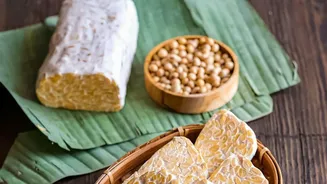
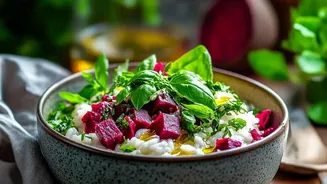
Probiotics are live, beneficial bacteria that help restore balance to your gut. Including probiotic-rich foods in your diet is one of the best things you can do during and after a course of antibiotics. Think of foods like yogurt (especially dahi with live cultures), kefir, and fermented foods like kimchi and sauerkraut. These foods repopulate your gut with the good guys. However, timing is key. To ensure the probiotics survive, consume these foods at least two to three hours before or after you take your antibiotic dose. Continuing to eat these foods for a few weeks after you finish your medication can also aid in long-term gut health recovery.
Feed the Good Bacteria with Prebiotics
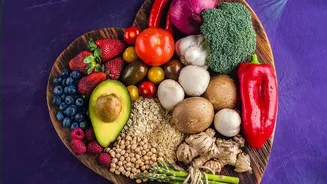
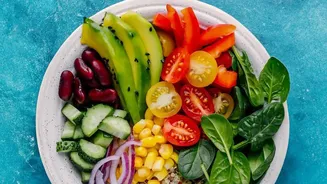
If probiotics are the new seeds for your gut garden, prebiotics are the fertilizer. Prebiotics are types of fibre that your body can't digest but that the good bacteria in your gut love to eat. Feeding them helps them thrive and multiply. You can find prebiotics in a variety of delicious and healthy foods, including bananas, onions, garlic, oats, and leafy greens like spinach. Adding these high-fibre foods to your meals ensures that the beneficial bacteria you’re introducing have plenty of fuel to grow strong.
Foods and Drinks to Approach with Caution
Just as some foods help, others can hinder your recovery or interfere with the medication. It's generally wise to avoid alcohol, as it can worsen side effects and put extra stress on your body. Grapefruit and grapefruit juice are known to interfere with how the body breaks down several medications, including some antibiotics, so it's best to avoid them entirely during treatment. Some antibiotics, like tetracyclines, can bind to calcium, preventing the drug from being properly absorbed. For this reason, it’s often recommended to avoid calcium-rich foods like milk and cheese, or calcium-fortified juices, for a few hours around your dose. However, this doesn't apply to all antibiotics, like amoxicillin, so it's always best to check with your doctor or pharmacist.
Gentle, Easy-to-Digest Options
When you're feeling unwell and perhaps a bit nauseous from the medication, it’s important to choose foods that are easy on your stomach. The BRAT diet—bananas, rice, applesauce, and toast—is a classic for a reason, as these bland foods are gentle on the digestive system. Simple, comforting meals like plain khichdi, clear soups, and steamed vegetables can provide necessary nutrients without overburdening your gut. Staying well-hydrated is also crucial, especially if you're experiencing diarrhoea, so be sure to drink plenty of water throughout the day.