
The Sun’s Invisible Weather
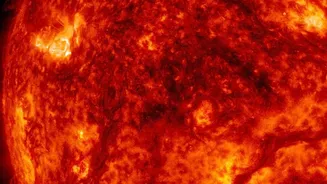
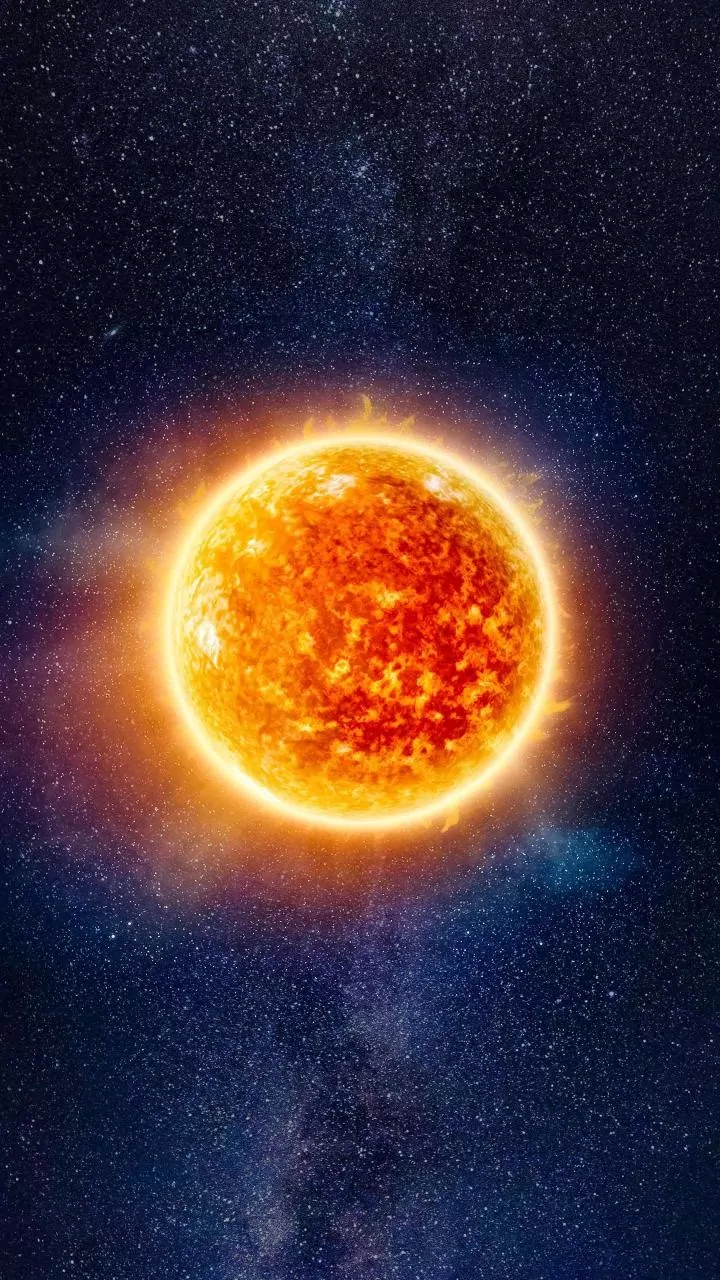
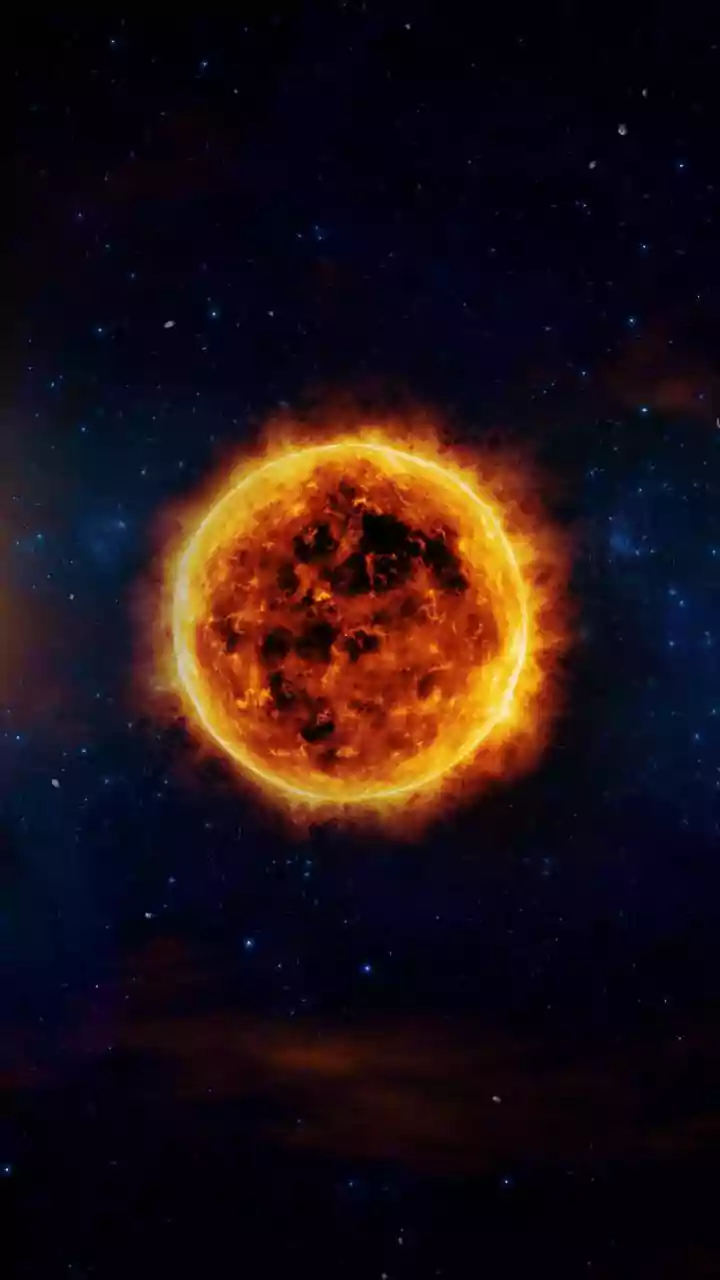
When we think of weather, we picture clouds and rain, not what happens 93 million miles away. But the Sun has its own form of weather, and it’s far more powerful. It constantly streams out charged particles called the solar wind. Sometimes, it unleashes
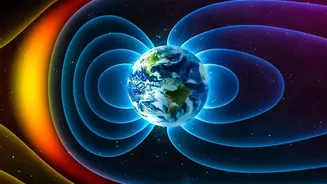
massive explosions of energy known as solar flares or blasts of plasma called coronal mass ejections (CMEs). If Earth is in the path of one of these events, it can trigger a significant space weather storm, interacting with our planet's magnetic field and atmosphere. While Earth's magnetic shield protects life on the surface, the technology we've placed in orbit is far more exposed to this cosmic turmoil.
Satellites in the Crosshairs
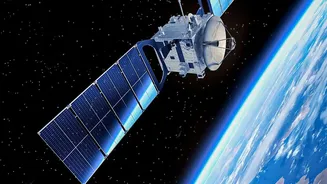
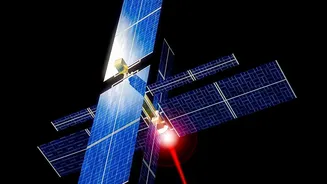
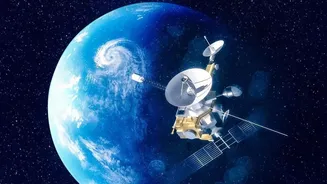
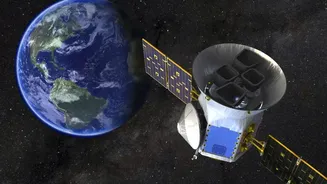
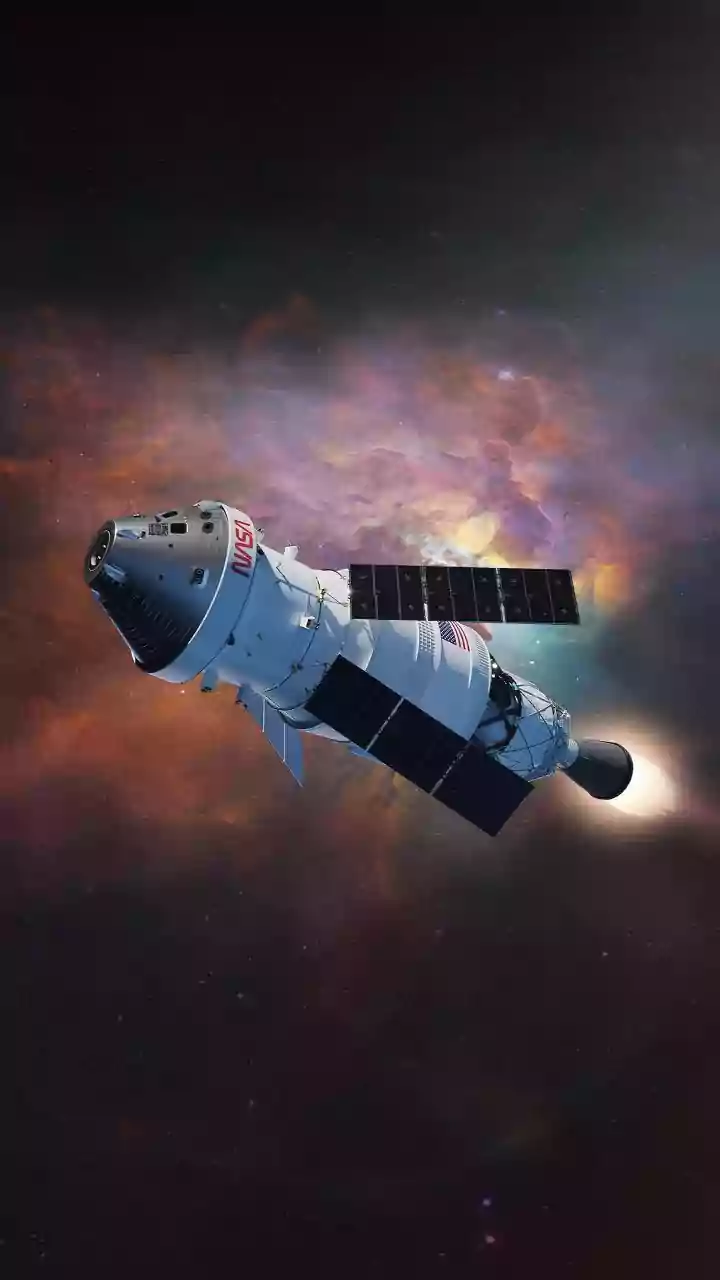
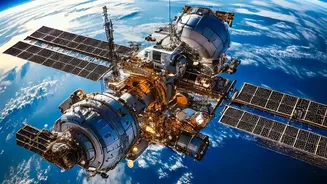
For satellites, space weather is a constant hazard. The barrage of high-energy particles can damage sensitive electronics, degrade solar panels that power the spacecraft, and cause phantom commands that make the satellite behave erratically. This can disrupt the services we rely on daily. A geomagnetic storm can interfere with GPS signals, reducing their accuracy, which impacts everything from aviation to agriculture. It can also disrupt radio communications and create extra atmospheric drag on satellites in low-Earth orbit, causing their orbits to decay faster than expected. In a world where financial systems, emergency responses, and global logistics depend on satellite timing and data, these disruptions are more than an inconvenience; they are a significant economic and security risk.
The Global Watchtowers
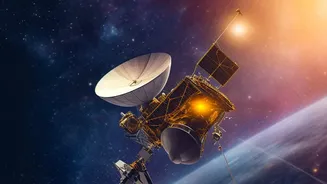
To protect our orbital assets, scientists must first be able to predict the Sun’s behaviour. A global network of space- and ground-based observatories acts as our watchtower. Missions like NASA's Parker Solar Probe and the joint ESA/NASA SOHO spacecraft provide constant monitoring of the Sun, tracking flares and CMEs as they happen. In India, ISRO's Aditya-L1 mission, stationed at the L1 Lagrange point, provides an early warning system by observing the Sun continuously. These observatories, combined with ground-based instruments that monitor Earth's magnetic field, feed data into forecasting models. Agencies like NOAA's Space Weather Prediction Center in the US and ISRO's Indian Network for Space Weather Impact Monitoring (INSWIM) use this data to issue alerts, giving satellite operators precious time to prepare.
Building Resilient Systems
Better forecasting is only half the battle. The ultimate goal is to build more resilient systems that can withstand the Sun's fury. The research gathered by scientists directly informs the engineering of next-generation satellites. This includes developing more robust shielding for electronics, creating smarter software that can automatically reboot or place a satellite into a protective 'safe mode' during a storm, and designing more efficient thrusters to correct orbits affected by atmospheric drag. Some researchers are even exploring futuristic concepts, like a 'StormWall' system that could theoretically fortify Earth's magnetic field during a major event. These efforts, from fundamental research to advanced engineering, are crucial for safeguarding the technological backbone of our 21st-century society. As our dependence on space grows, so does the importance of understanding and preparing for its weather.