




The Comeback Kid of Breakfast
If you spent any time on Pinterest or Instagram in the early 2010s, you know exactly what we’re talking about: overnight oats. Yes, that humble jar of chilled, soaked oatmeal is surging back into our kitchens and social media feeds. For the uninitiated,
overnight oats are raw rolled oats soaked overnight in a liquid of your choice—typically milk, yogurt, or a plant-based alternative. The soaking process softens the oats to the consistency of a creamy porridge, no cooking required. It’s the ultimate grab-and-go breakfast, prepared the night before to save you precious morning minutes.
Why Did They Ever Leave?
To be fair, overnight oats never truly disappeared. They simply faded into the background, becoming a quiet staple for health enthusiasts and meal-preppers while flashier trends like avocado toast and fluffy Dalgona coffee took the spotlight. Their first wave of popularity was driven by the rise of wellness blogging and the visual appeal of neatly layered jars. It represented a move towards simple, unprocessed foods and a DIY health culture. But as food trends evolved, our collective attention wandered to more complex and Instagram-worthy brunch creations. The simple oat jar, for a time, felt a little… basic.
The 2024 Glow-Up
So why are they back with such a vengeance? The return of overnight oats is less about nostalgia and more about a perfect alignment with our current lifestyle needs. In a post-pandemic world, many of us are navigating hybrid work schedules, juggling more responsibilities, and prioritising efficiency like never before. Meal prep has gone from a niche hobby to a mainstream survival tactic. Overnight oats are the poster child of meal prepping: you can make five days' worth of breakfast in under 20 minutes on a Sunday evening.
Furthermore, the wellness conversation has shifted. It’s no longer just about 'clean eating' but also about functional foods. Today’s overnight oats are being supercharged with protein powders, collagen, and gut-friendly additions like chia seeds and kefir. They are a customisable canvas for hitting your nutritional goals, whether that’s more protein for muscle growth or more fibre for digestive health.
New Twists on a Classic
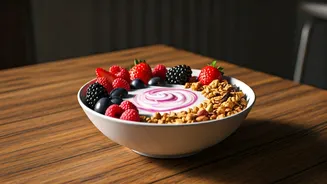
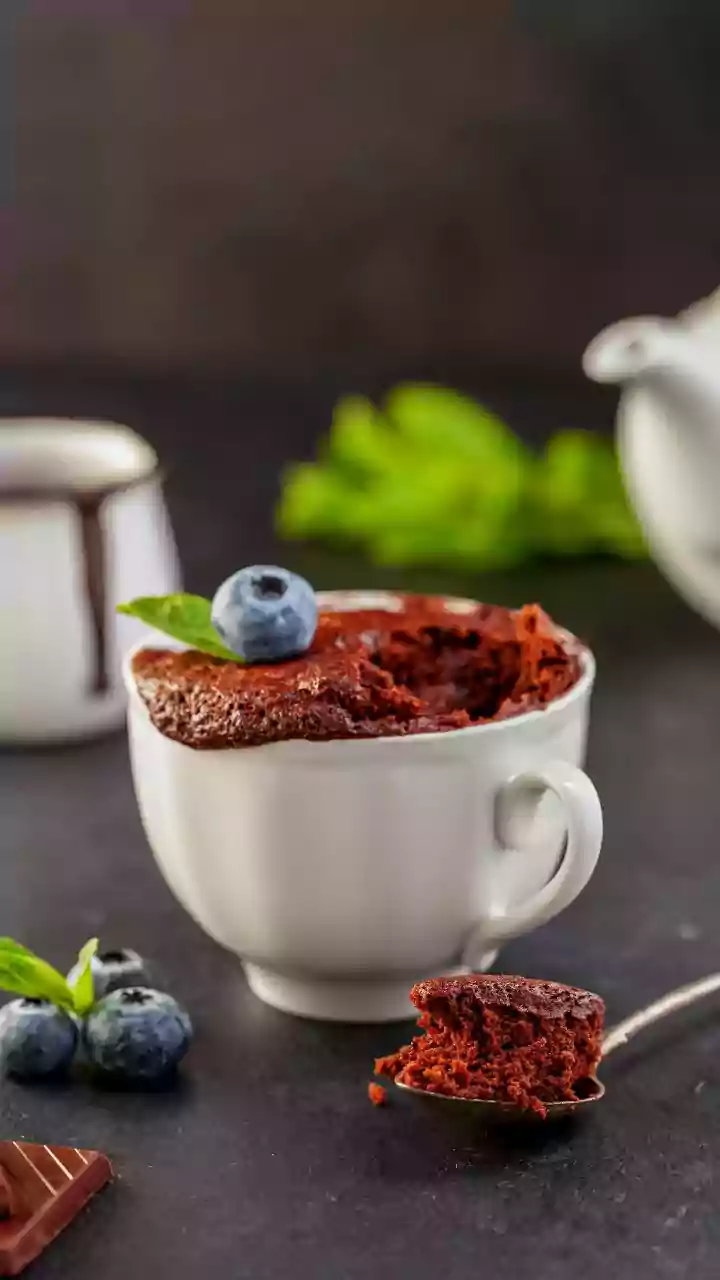
This isn't your old-school recipe of just oats, milk, and a sad sprinkle of cinnamon. The new generation of overnight oats is practically a dessert. Social media is filled with decadent-sounding but surprisingly healthy variations. Think Tiramisu overnight oats with layers of coffee-soaked oats and a creamy yogurt topping, or a Carrot Cake version with grated carrots, walnuts, and spices. Other popular versions mimic blueberry cheesecake or chocolate brownie batter.
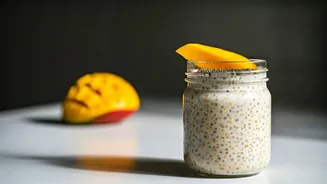
For an Indian palate, the possibilities are endless. Imagine a Mango Lassi flavour with yogurt, mango puree, and a hint of cardamom. Or a Masala Chai version, soaking the oats in spiced tea-infused milk. A Shahi Tukda-inspired jar with saffron, pistachio, and a touch of rose water could turn your breakfast into a truly regal experience. The key is to see the oat base as a blank canvas for your favourite flavours.
Your Simple Starter Guide
Intimidated? Don’t be. The magic of overnight oats is in their simplicity. The basic formula is incredibly forgiving. Start with a clean jar with a lid. The classic ratio is 1:1, meaning one part oats to one part liquid. For a thicker consistency, add a tablespoon of chia seeds or Greek yogurt. Here’s a blueprint:
1. **The Base:** ½ cup of rolled oats (not instant).
2. **The Liquid:** ½ cup of milk, almond milk, oat milk, or yogurt.
3. **The Boost (Optional):** 1 tablespoon of chia seeds (for thickness and fibre), 1 scoop of protein powder, or a dash of vanilla extract.
4. **The Sweetener (Optional):** 1 teaspoon of honey, maple syrup, or jaggery.
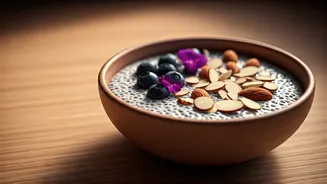
Combine all ingredients in the jar, stir well, seal it, and refrigerate for at least 4 hours, or overnight. In the morning, give it another stir and add your favourite toppings like fresh fruit, nuts, seeds, or a drizzle of nut butter.