


What Exactly is Makhana?
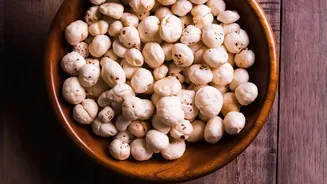
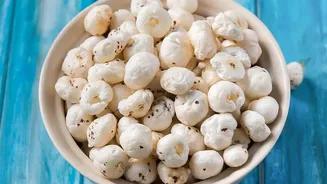
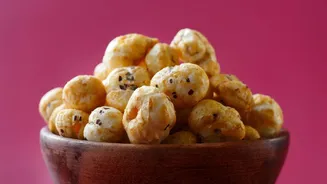
Makhana, also known as fox nuts or lotus seeds, are the edible seeds of the Euryale Ferox plant, which grows in stagnant ponds and wetlands. For centuries, it has been a staple in Indian households, especially in Bihar, which produces over 85% of the world's
supply. The process of making makhana is labour-intensive, requiring farmers to harvest the seeds from the bottom of ponds, dry them, and then roast them at high temperatures until they pop into the light, crunchy puffs we know and love. Traditionally, makhana was valued in Ayurveda and used during religious fasts like Navratri due to its purity and digestibility.
A Nutritional Powerhouse
The primary driver of makhana's modern resurgence is its impressive nutritional profile. It is naturally low in calories and fat, with a 100-gram serving containing only about 0.1 grams of fat. In contrast, it is rich in plant-based protein and fibre, two nutrients that help you feel full for longer, aiding in weight management. Makhana is also a good source of essential minerals like magnesium, potassium, and calcium, which are crucial for heart health, blood pressure regulation, and strong bones. Furthermore, it is gluten-free, making it an excellent snack for those with gluten sensitivities or celiac disease.
The Smarter Swap for Unhealthy Snacks
When compared directly to traditional packaged snacks like potato chips, makhana's advantages become even clearer. A 30g serving of roasted makhana contains significantly fewer calories and around 95% less fat than the same amount of potato chips. While chips are often deep-fried and loaded with sodium and unhealthy fats, makhana is typically roasted. This simple preparation difference means you get a satisfying crunch without the greasy fingers, post-snack heaviness, or empty calories associated with many fried snacks. Its low glycemic index also means it doesn't cause the sharp blood sugar spikes that can lead to more cravings.
From Traditional Kheer to Peri-Peri Crunch
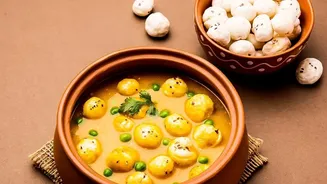
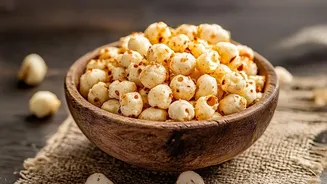
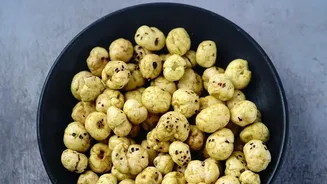
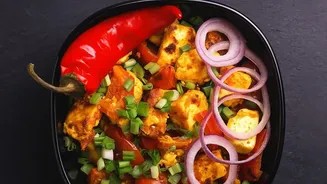
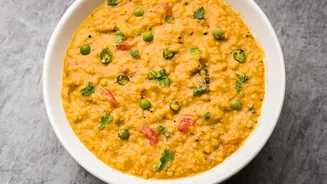
Versatility is another key to makhana's growing fame. Historically, it was used in dishes like makhana kheer, curries, and raita, or simply roasted with ghee and salt. While these preparations are still popular, the snack market has given makhana a modern makeover. Today, you can find it in a wide array of exciting flavours, from peri-peri and cheese to pudina and herb. This innovation has transformed makhana from a simple pantry ingredient into a convenient, ready-to-eat snack that can compete directly with the taste and variety offered by global snack brands. It offers the same satisfaction of a flavourful, crunchy snack but without the guilt.
The Rise of Conscious Snacking
Ultimately, the rise of makhana reflects a broader shift in consumer behaviour. More than ever, people are seeking out snacks that are not just tasty but also aligned with their health and wellness goals. They are reading labels, prioritising natural ingredients, and looking for foods with functional benefits. Makhana fits perfectly into this trend of conscious snacking. It is a whole food with ancient roots, a strong nutritional profile, and the modern convenience of a packaged snack. The market for makhana in India is growing rapidly, with projections suggesting it will become a massive industry by the end of the decade, driven by this very demand for healthier choices.