





The Art of Cold-Pressing
Before we dive into the specific oils, it's crucial to understand what makes the cold-pressing method special. Unlike industrially refined oils, which are extracted using high heat and chemical solvents, cold-pressed oils are made by mechanically crushing
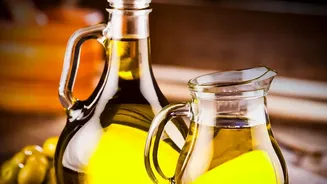
seeds at low temperatures. This gentle process, often using a traditional wooden press or 'ghani', ensures that the oil retains its natural flavour, aroma, and nutritional profile. While refined oils are neutral, odourless, and designed for a long shelf life, cold-pressed oils are vibrant and full of character, carrying the true essence of the seed into the final dish. They are not just for cooking; they are for flavouring.
Mustard Oil: The Pungent Powerhouse of the North and East
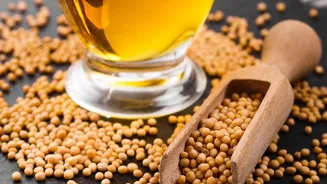
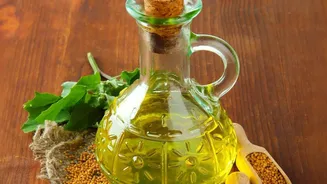
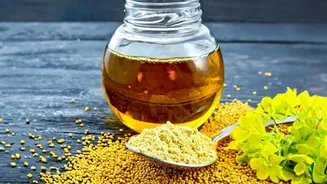
Walk into a traditional Bengali or Punjabi kitchen, and you'll likely be greeted by the sharp, pungent aroma of mustard oil. This iconic flavour comes from a compound called allyl isothiocyanate, which is preserved during the cold-pressing process. It’s this assertive, spicy kick that gives dishes like Bengali fish curry (Maacher Jhol) and the smoky Baingan Bharta their signature taste. Mustard oil isn't just a cooking base; it's also a key element in marinades, where its sharpness penetrates meat and fish, and in pickles, where it acts as both a flavouring agent and a natural preservative, allowing spices to meld perfectly over time. Its ability to complement other strong spices makes it an indispensable pillar of North and East Indian cooking.
Sesame Oil: The Nutty Soul of the South
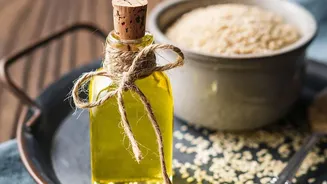
Travel down to South India, and the culinary landscape shifts to the rich, nutty fragrance of sesame oil, also known as 'gingelly oil' or 'nalla ennai'. A cornerstone of Tamil and Andhra cuisine, cold-pressed sesame oil has a robust, earthy flavour that is distinct from the lighter, toasted versions used in East Asian food. It's the soul of dishes like Puliyodarai (tamarind rice) and is essential for tempering spices for sambar and chutneys. A classic combination involves heating sesame oil with mustard seeds and curry leaves, creating a flavour base that is quintessentially South Indian. It’s also frequently mixed with spice powders ('podi') and served alongside idlis, turning a simple meal into a memorable one.
Groundnut Oil: The Versatile Staple of the West
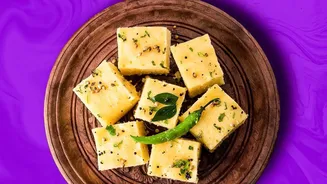
In Western India, particularly Gujarat and Maharashtra, groundnut oil is the undisputed champion of the kitchen. Praised for its mild, subtly nutty flavour and high smoke point, it is the perfect all-rounder. Unlike the assertive mustard or sesame oils, groundnut oil doesn't overpower the other ingredients. This makes it ideal for frying snacks like fafda, bhajiyas, and vadas, ensuring they turn out crispy and clean-tasting. It forms the base for everyday vegetable preparations ('shaak') and is used for the 'tadka' in dals and classics like poha. Its gentle flavour profile beautifully supports the sweet, sour, and spicy notes that are characteristic of Gujarati and Maharashtrian food, allowing the spices and vegetables to shine.