



Turn Down the Shower Temperature
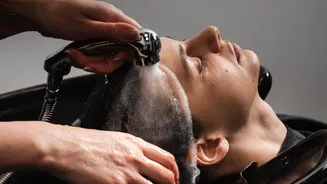
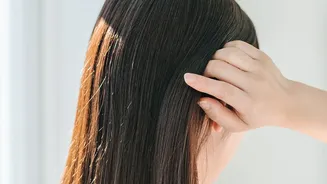
One of the easiest and most effective changes you can make is to wash your hair with lukewarm or cool water instead of hot. Hot water opens up the hair's cuticle, which is the protective outer layer of each strand. When the cuticle is open, color molecules
can easily slip out, causing your shade to fade much faster. A cooler rinse, especially after conditioning, helps to seal the cuticle, locking in both color and moisture. It might feel brisk at first, but this small adjustment pays huge dividends for color longevity.
Rethink Your Wash Schedule
Washing your hair too frequently is a primary cause of premature color fade. Each wash, especially with warm water, can strip away not only the natural oils that protect your hair but also the color pigments you paid for. Aim to wash your hair just two to three times per week. On the days in between, a quality dry shampoo can be your best friend, absorbing excess oil at the roots and adding a bit of volume to keep your hair looking fresh without another round of color-stripping water and shampoo.
Choose Your Products Wisely
Not all shampoos are created equal, especially when it comes to colored hair. The most important ingredients to avoid are sulfates, which are strong detergents that create a rich lather but can also aggressively strip color and moisture from your hair. Opt for shampoos and conditioners specifically labeled 'sulfate-free' or 'color-safe'. These gentler formulas cleanse the hair without lifting the cuticle as harshly, helping to preserve the vibrancy and integrity of your color.
Embrace Heat Protection
Heat is a major enemy of hair color, whether it comes from your styling tools or the sun. High temperatures from blow dryers, straighteners, and curling irons can damage the hair structure and degrade color molecules. Before you use any hot tool, always apply a heat protectant spray. This creates a barrier that minimizes damage. Similarly, UV rays from the sun can oxidize and bleach your hair color, just like they fade fabric. On sunny days, protect your hair by wearing a hat or using a leave-in product with UV filters.
Make Conditioning Non-Negotiable
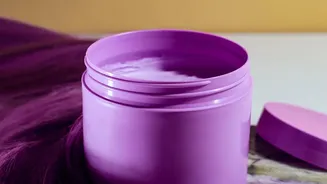
Coloring processes can leave hair more porous and prone to dryness. Conditioner is crucial for restoring moisture and smoothing the hair's cuticle, which helps lock in color. Think of it as the final step in sealing the deal after washing. In addition to your regular rinse-out conditioner, incorporating a deep-conditioning mask or treatment once a week can dramatically improve the health and shine of your hair. These intensive treatments replenish lost moisture, keeping your hair soft, elastic, and your color looking rich and luminous.
Be Mindful of Minerals and Chlorine
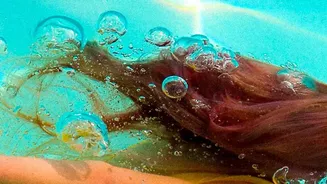
What's in your water can also affect your color. Hard water can leave mineral deposits that dull your shade, while chlorine in swimming pools is notorious for stripping color and sometimes causing unwanted tonal shifts (like turning blonde hair greenish). Installing a filter on your shower head can help reduce mineral buildup. Before you take a dip in the pool, wet your hair with clean water and apply a leave-in conditioner. This helps your hair absorb less of the chlorinated water.