


The Monsoon Menace: Why Root Rot Loves This Season
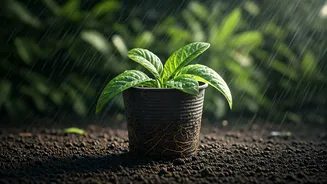
Root rot is a fungal disease that occurs when roots are deprived of oxygen and begin to decay, usually due to waterlogged soil. During the monsoon, the air is saturated with moisture. This high humidity means water from the soil evaporates much slower.
Compounded with fewer sunny days, your plant's ability to use water through photosynthesis is also reduced. This combination means your regular watering routine can quickly lead to a dangerously soggy pot, creating the perfect anaerobic environment where root rot fungi thrive. Your plant's roots essentially drown, unable to absorb the nutrients and water they need to survive, even though they're sitting in moisture.
Adjust Your Watering Schedule
The single most important change to make during the monsoon is to water less frequently. Forget your fixed weekly schedule. The best method is to check the soil manually. Insert your finger about two inches into the potting mix. If it feels moist, wait another day or two before checking again. Only water when the top layer of soil is properly dry to the touch. When you do water, do so in the morning. This gives the plant the entire day to absorb what it needs and allows any excess surface moisture to evaporate, reducing the risk of fungal growth overnight.
Drainage and Aeration are Crucial
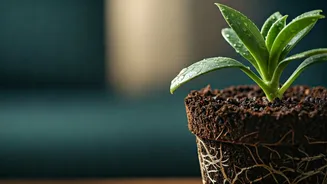
Good drainage is your best defence. Ensure every pot has drainage holes at the bottom to let excess water escape. If your plant is in a decorative planter without holes, use it as a cachepot—keep the plant in a nursery pot with drainage and simply place it inside the decorative one, making sure to empty any collected water from the outer pot after watering. You can also improve your soil's aeration by adding amendments like perlite, pumice, or coco chips to the potting mix. This creates a lighter, chunkier soil structure that prevents compaction and allows air to circulate around the roots, making it harder for rot to set in.
Location and Light Management
With overcast skies being common, sunlight is a precious commodity during the monsoon. Try moving your plants to a location where they can catch the maximum amount of available light, such as a south-facing window or a brighter balcony. Even a few hours of gentle morning sun can help the soil dry out and fuel the plant. Good air circulation is also important to combat the damp conditions. Avoid clustering plants too tightly together. Spacing them out improves airflow, which helps dry the leaves and soil surface, further discouraging fungal diseases. If your room is particularly damp, a small fan can work wonders.
Spotting the Early Warning Signs
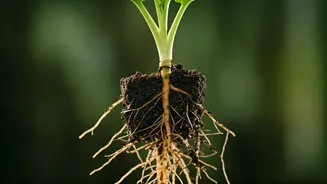
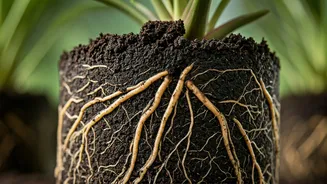
Catching root rot early is key to saving your plant. The initial signs often appear on the leaves. Look for yellowing leaves, especially lower ones, or wilting even when the soil is damp. This wilting is a classic sign that the roots are compromised and can no longer absorb water. Other indicators include stunted growth or a foul, swampy smell coming from the soil. To confirm your suspicions, you may need to gently ease the plant out of its pot. Healthy roots are firm and typically white or light tan. Rotted roots will be dark brown or black, feel mushy and slimy to the touch, and may fall apart easily.
Emergency Rescue for a Rotted Plant
If you've confirmed root rot, you must act fast. It is possible to save the plant if the damage isn't too extensive. First, carefully remove the plant from its pot and wash away all the old soil to get a clear look at the root system. Using clean, sharp scissors or pruning shears, trim away all the black, mushy, and smelly roots until only healthy, firm, white root tissue remains. If you must remove a significant portion of the roots, prune back about one-third of the plant's leaves as well; this helps balance the plant, as the reduced root system can't support a full crown. Finally, repot the plant in a clean pot with fresh, well-draining potting mix. Water it lightly and place it in a spot with bright, indirect light, giving it time to recover.