







Andaz Apna Apna (1994): The Epitome of Quotable Chaos
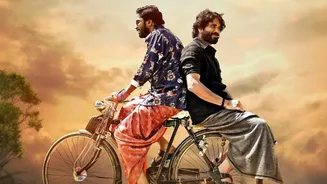
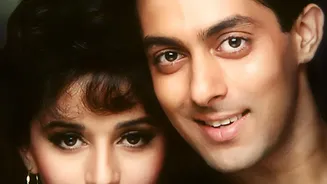
This film is the undisputed king of cult comedies. Despite a lukewarm reception at the box office, 'Andaz Apna Apna' achieved legendary status through television reruns and word of mouth. The story follows two broke dreamers, Amar and Prem, whose attempts
to woo a wealthy heiress lead to a comedy of errors involving mistaken identities, goofy gangsters, and a memorable villain, Crime Master Gogo. The film’s true genius lies in its endlessly quotable dialogues that have become a part of everyday Indian vocabulary. The crackling chemistry between Aamir Khan and Salman Khan, paired with a stellar supporting cast including Paresh Rawal in a double role, makes it a masterclass in slapstick humour that never gets old.
Hera Pheri (2000): A Masterclass in Situational Comedy
When a wrong number connects a desperate trio—a kind-hearted garage owner Baburao, a crafty loafer Raju, and a struggling job-seeker Shyam—their lives take a hilariously chaotic turn. Directed by Priyadarshan, 'Hera Pheri' is a perfect storm of impeccable comic timing and unforgettable characters. The film’s humour stems not from gags, but from the genuine desperation of its protagonists, making their ridiculous schemes both funny and relatable. Paresh Rawal’s portrayal of Baburao Apte is iconic, creating one of the most beloved characters in Hindi cinema. The film has spawned a successful sequel and has a cult following that keeps its hilarious scenes and dialogues alive through memes and conversations.
Jaane Bhi Do Yaaro (1983): Satire At Its Sharpest
Decades before dark comedies became mainstream, Kundan Shah's 'Jaane Bhi Do Yaaro' delivered a razor-sharp satire on corruption in politics, bureaucracy, and the media. The film follows two struggling photographers who accidentally capture a murder, leading them into a world of chaos. Made on a shoestring budget, this film was a commercial failure upon release but is now regarded as a cult classic for its intelligent and absurdist humour. Its legendary climax, where the Mahabharata play is hilariously derailed by the protagonists and a misplaced corpse, is considered one of the finest comedic sequences in the history of Indian cinema.
Gol Maal (1979): The Simple Charm of a Double Life
Hrishikesh Mukherjee was the master of middle-class comedies, and 'Gol Maal' is arguably his finest work. Amol Palekar plays Ramprasad, a young man who invents a loud, moustache-hating twin brother to keep his job under his eccentric, tradition-loving boss, Bhavani Shankar, played to perfection by Utpal Dutt. What follows is a laughter riot of mistaken identities and elaborate lies. The film's beauty lies in its simplicity, clean humour, and brilliant performances. It’s a testament to Mukherjee's genius that a story revolving around a single moustache could create such timeless and wholesome entertainment.
Angoor (1982): Shakespearean Confusion, Desi Style
Directed by the legendary Gulzar, 'Angoor' is a brilliant adaptation of Shakespeare’s 'The Comedy of Errors'. The film revolves around two pairs of identical twins, both named Ashok and Bahadur, who are separated at birth and reunite in the same city as adults, leading to utter confusion. Sanjeev Kumar and Deven Verma are spectacular in their dual roles, effortlessly switching between their characters and adding to the comedic chaos. The film avoids slapstick, instead relying on witty dialogues and the sheer absurdity of the situations to generate laughs. It remains a masterclass in how to adapt a classic play for a different culture while retaining its comedic soul.
Chupke Chupke (1975): The Genius of Gentle Humour
Another gem from Hrishikesh Mukherjee, 'Chupke Chupke' is a delightful comedy that proves humour doesn't need to be loud to be effective. Dharmendra plays a botany professor who, as a prank, poses as a driver to fool his wife's revered brother-in-law. The film boasts a stellar cast including Amitabh Bachchan, Sharmila Tagore, and Jaya Bachchan, who are all at their comedic best. The comedy is derived from the clever wordplay, particularly the clash between pure Hindi and everyday language, and the charmingly simple plot. It’s a warm, feel-good film that feels like a cozy blanket on a rainy day, filled with pure, unadulterated joy.