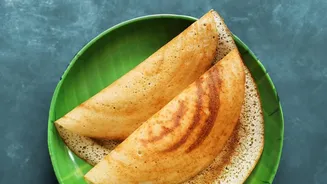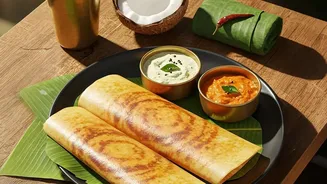

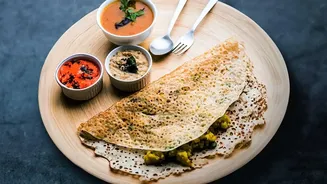


The quest for a perfectly crisp, golden-brown dosa often ends in frustration: it either sticks, tears, or turns out soft. The secret weapon isn't just a good batter, but a cast-iron tawa heated to the precise temperature. Here’s how it’s done.
The Foundation: A Well-Seasoned Tawa
Before we
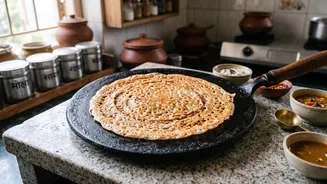
talk about heat, we must talk about the surface. A cast-iron tawa is the best tool for a crispy dosa because it holds and distributes heat evenly. But its true power is unlocked through seasoning—the process of baking oil onto its surface to create a natural, non-stick layer. A new or poorly seasoned tawa will cause sticking, no matter the temperature. To season, wash and thoroughly dry the tawa. Apply a thin layer of a high-smoke-point oil like sesame or groundnut oil all over, and heat it on a medium flame for 10-15 minutes until it smokes lightly. Let it cool, wipe off the excess, and repeat a few times. This builds up a slick, protective patina that gets better with every use.
Finding the Sweet Spot: Signs of a Perfectly Hot Tawa
The ideal temperature is the key to a dosa that spreads easily and cooks to a perfect crisp. Cast iron takes longer to heat up than other materials, so give it a good 5-7 minutes on a medium flame. Don't rush this step. The most reliable way to check the temperature is the water test. Sprinkle a few drops of water onto the surface. If they just sit there and boil, the tawa is too cold. If they disappear instantly with a loud hiss, it’s likely too hot. You've hit the sweet spot when the water droplets form into little beads that dance and skitter across the surface before evaporating. This phenomenon, known as the Leidenfrost effect, indicates the tawa is hot enough to instantly create a layer of steam that lifts the batter, preventing it from sticking. At this point, you're ready to cook.
Danger Zone: When Hot Becomes Overheated
There's a fine line between perfectly hot and overheated. An overheated tawa is a common reason for dosa disasters. If the pan is smoking excessively or if your test water droplets vanish in a flash, you’ve gone too far. Pouring batter onto an overheated surface will cause it to cook and stick instantly, making it impossible to spread thinly. You’ll end with a thick, uneven dosa that's burnt in some spots and raw in others. An extremely hot pan can also damage your seasoning, causing it to flake off and creating a rough surface that will make everything stick. The goal is steady, even heat, not scorching, intense heat.
The Cool Down: How to Rescue an Overheated Tawa
If you've overshot the temperature, don't panic. There are simple ways to bring it back down to the optimal cooking zone. The quickest method is to sprinkle a bit of water across the surface; it will sizzle dramatically and cool the pan down. Wipe it dry with a cloth, and you should be ready to try the water test again. Another popular technique is to rub half an onion on the hot surface, often dipped in a little oil. This not only helps to cool the tawa slightly but also adds to the nonstick layer and imparts a subtle flavour. If the pan is extremely hot, simply turn off the flame for a minute to let it cool down naturally before turning it back to a medium low setting.
Tips for a Flawless Finish
Once your temperature is right, a few final touches will ensure success. Use batter that is at room temperature and has the consistency of a smooth, flowing cream. Cold, thick batter won't spread well. Before pouring your first dosa, wipe the hot, seasoned tawa with an oiled onion or a cloth to create a perfect film. Pour the batter in the center and, using the back of the ladle, spread it quickly and lightly in a continuous outward spiral. Don’t apply too much pressure. Drizzle a little oil or ghee around the edges to help them crisp up and release. Be patient and wait for the edges to turn golden brown and begin to lift on their own before trying to flip or fold it.