

Nag Tibba: The Weekend Summit
Often called the perfect weekend trek, Nag Tibba, or the ‘Serpent’s Peak’, is one of the most accessible treks for beginners. Located in Uttarakhand and reaching a modest altitude of around 9,915 feet, it offers a fantastic introduction to high-altitude
walking without the risk of severe altitude sickness. The trek can be completed in just two days, making it ideal for those with limited time. The trail winds through dense oak and deodar forests, opening up to a base camp with a temple dedicated to the Serpent God. The final push to the summit is a rewarding challenge, offering panoramic views of the Garhwal Himalayan peaks like Bandarpoonch and Swargarohini. Its ease of access from cities like Dehradun and Mussoorie makes it a popular choice. The best seasons are from September to November for clear post-monsoon skies and from December to February for a magical snow experience.
Triund: The Crown of Dharamshala
Perched above McLeod Ganj, the Triund trek is famous for its well-defined and relatively easy trail, making it a hit with beginners and solo adventurers. The 9-kilometre path takes you to an elevation of about 9,350 feet. What makes Triund special is the spectacular view it offers throughout the journey. You are treated to stunning vistas of the Kangra Valley on one side and the snow-capped Dhauladhar range on the other. The trek can be done as a long day hike, but camping overnight on the vast green meadow at the top is highly recommended to witness the incredible sunset and sunrise. The best times to visit are during spring (March to June) when the rhododendrons are in bloom, and in autumn (September to November) for crisp, clear views. While it's a popular trek and can get crowded in peak season, its beauty and accessibility are undeniable.
Kedarkantha: The Beginner's Winter Wonderland
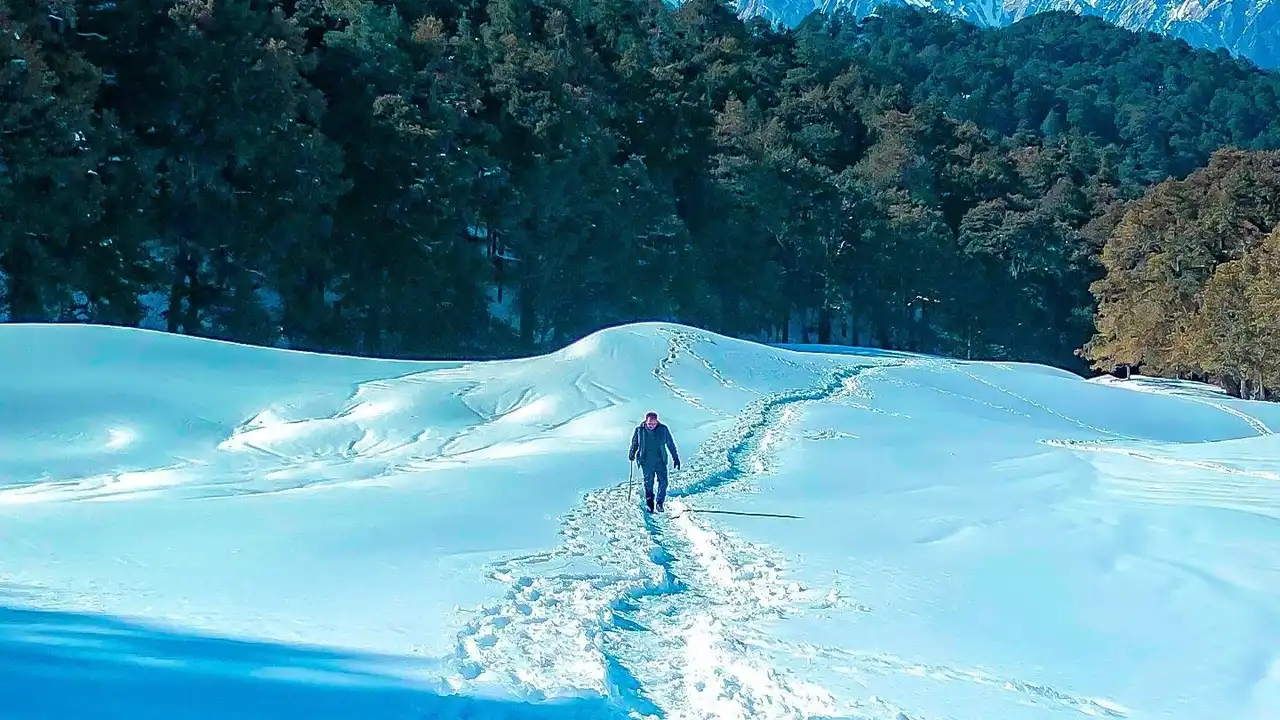
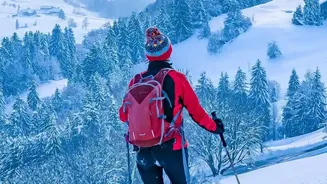
If your dream is to experience a snow trek, Kedarkantha is your answer. Considered one of the best winter treks in India for novices, it's famous for its snow-covered landscapes from December to April. Located in the Govind Wildlife Sanctuary in Uttarakhand, the trail takes you up to a height of 12,500 feet. Despite the altitude, the trek is rated easy to moderate due to its well-marked trails, gradual inclines, and manageable daily distances, which help in acclimatization. The journey through dense pine forests, past the frozen Juda-ka-Talab lake, and to the summit is nothing short of magical. From the peak, you get a rewarding 360-degree view of Himalayan giants, including the Swargarohini and Bandarpoonch ranges. The trek usually takes about 4 to 5 days, starting from the village of Sankri.
Dayara Bugyal: The Meadow Walk
For those who imagine Himalayan treks as gentle walks through vast, rolling meadows, Dayara Bugyal is the dream destination. Considered one of India's most beautiful alpine meadows, this trek in Uttarakhand is ideal for beginners and families. The trek is rated easy to moderate, with gradual climbs that ascend to around 12,000 feet. The trail itself is a reward, taking you through oak forests before opening up to the sprawling green grasslands. The experience is less about a challenging summit push and more about soaking in the serene landscape. It's a year-round trek, offering lush green vistas in summer and a blanket of snow in winter. Typically completed in 3-4 days from the village of Barsu or Raithal, it provides stunning views of the Bandarpunch and Gangotri ranges without demanding extreme exertion.
Prashar Lake: The Mystic Blue Gem
Combining a gentle trek with cultural and mythological significance, the Prashar Lake trek in Himachal Pradesh is a fantastic choice for first-timers. The trail leads to a stunning blue-water lake at an altitude of 8,960 feet, with a unique floating island and a 13th-century pagoda-style temple dedicated to the sage Prashar. The risk of altitude sickness is minimal, making it a safe bet for beginners. The trek is short, typically covered in 4-5 hours from the village of Baggi. The path winds through dense forests and small settlements, offering panoramic views of the Dhauladhar, Pir Panjal, and Kinnaur mountain ranges. While it can be done throughout the year, the experience is particularly special in winter (December-February) when the lake is frozen and the landscape is covered in snow, though this increases the difficulty slightly.