

Why August is a Pivotal Month for Garden Health
The monsoon season is a time of vigorous growth, with ample water and humid air encouraging plants to flourish. However, the same conditions that promote life can also bring ruin. August often sees some of the heaviest and most consistent rainfall, which
can saturate the soil in pots and garden beds. When water cannot escape, it fills the air pockets that roots need to breathe. This leads to a condition called waterlogging, which is a primary cause of plant death during the rainy season. Without oxygen, roots begin to suffocate and can no longer absorb nutrients, leading to a slow, quiet decline even as the leaves above remain green for a time.
Recognising the Telltale Signs of Poor Drainage
The initial signs of waterlogging can be deceptive and are often mistaken for a lack of water. You might notice leaves turning yellow, especially newer ones, or the entire plant starting to wilt and droop. A closer inspection of the soil may reveal a muddy texture, a sour or mouldy smell, or even visible fungal growth on the surface. In more advanced cases, stems can become soft and mushy at the base, and roots will appear dark brown or black instead of a healthy white. Stunted growth is another key indicator; if your plants seem to have stopped growing despite the rain, their roots are likely struggling.
Simple Drainage Fixes for Potted Plants
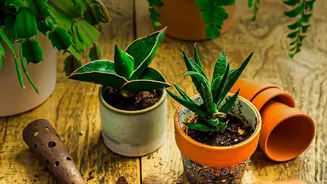
For container gardeners, ensuring good drainage is straightforward but essential. The first step is to check that every pot has drainage holes and that they are not blocked by compacted soil or roots. Simply lifting the pot can confirm if water is able to flow out freely. Elevating pots on stands, bricks, or 'pot feet' is an excellent way to improve airflow and prevent them from sitting in saucers full of stagnant water. It is also wise to avoid using a layer of gravel at the bottom of pots; this is a common myth and actually raises the saturated soil level closer to the roots. Instead, amend your potting mix with materials like perlite, cocopeat, or coarse sand to improve its structure and porosity.
Improving Drainage in Garden Beds
Fixing drainage in garden beds requires a bit more effort but yields long-term benefits. If you have heavy clay soil that retains too much water, regularly incorporating organic matter like compost or well-rotted manure is the best solution. This improves soil structure, creating more air pockets and pathways for water to drain. For areas with persistent waterlogging, creating raised beds can be a game-changer. By elevating the growing area, you lift the plant roots above the soggy ground, giving you complete control over the soil composition within the bed. Another technique is to manually aerate the soil with a garden fork, which helps to loosen compacted layers and improve water penetration.
Choosing Plants Wisely and Long-Term Strategies
While improving soil is key, another effective strategy is to choose plants that are better suited to the local conditions. Many plants like hibiscus, bougainvillea, and curry leaf are well-adapted to the heat and humidity of the Indian monsoon, provided their roots are not waterlogged. For extremely damp areas of your garden where drainage is difficult to fix, consider planting water-loving species that will thrive in those conditions. Proactive management is always better than a reactive cure. Before the heaviest rains begin, take the time to inspect your entire garden, clear any blocked terrace or balcony drains, and prepare your soil. A little preparation goes a long way in preventing the heartbreak of losing your beloved plants to the very rain that should be nurturing them.