

The Perfect Blank Canvas: Starting Simple
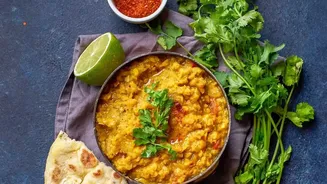
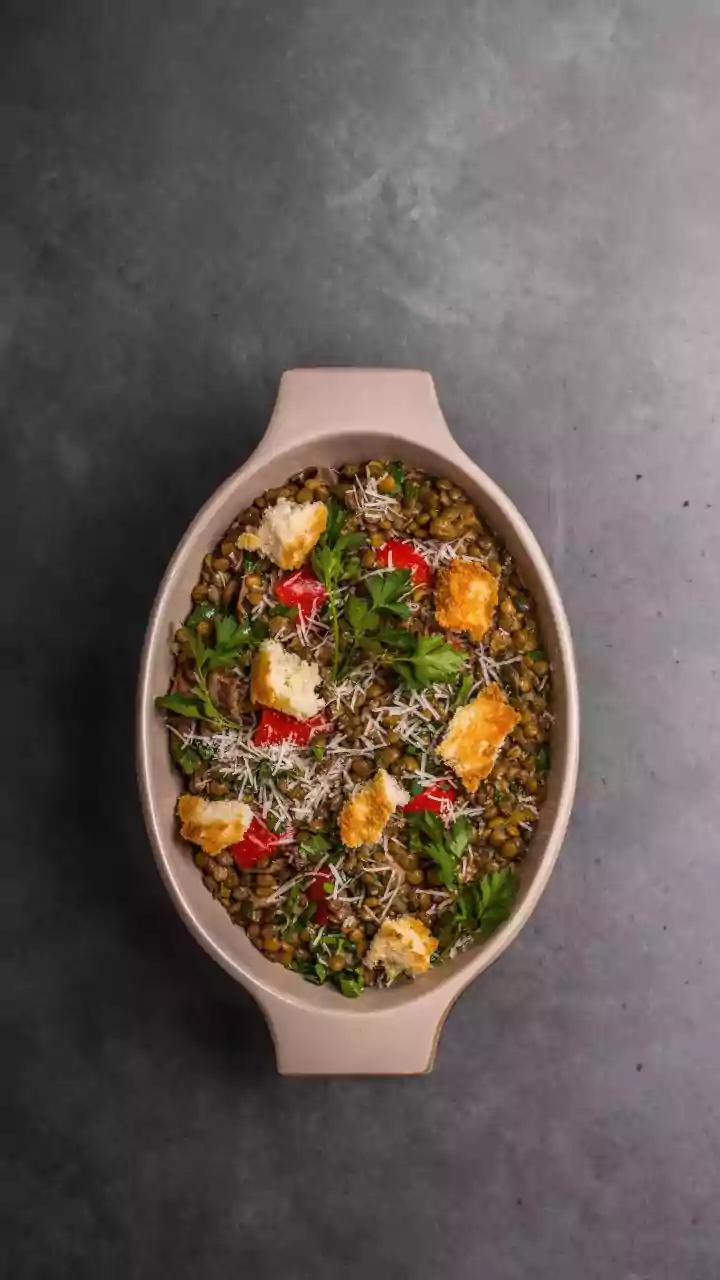
The secret to a successful flavour experiment is starting with a neutral base. For our one-pot meal, this means cooking lentils until they are soft and creamy, creating a perfect canvas for our seasonings. Split red lentils (masoor dal) or yellow pigeon
peas (toor dal) are ideal choices. Masoor dal cooks incredibly quickly, often in 15-20 minutes, and breaks down into a beautiful, smooth purée. Toor dal takes a little longer but offers a wonderfully creamy texture. Simply wash your chosen lentils, place them in a pot with water, a pinch of turmeric, and a little salt, and simmer until they are completely tender. This unadorned, nourishing base is now ready to be steered in two very different, but equally delicious, directions.
The Bengali Approach: Earthy and Pungent
Bengali cooking elevates dal from a simple side to a star dish through its unique tempering, known as 'phoron'. The quintessential Bengali spice blend is 'panch phoron', which translates to 'five spices'. This is a whole-spice mix of fenugreek, nigella, cumin, black mustard, and fennel seeds, used in equal parts. To give your lentil pot a Bengali twist, you’ll perform a 'tadka' (tempering). Heat mustard oil—a key flavour in Bengali cuisine—in a separate small pan. Once hot, add the panch phoron. The seeds will begin to crackle and pop in about 15-20 seconds, releasing their complex, nutty aroma. At this point, you can also add sliced onions, garlic, or a dried red chilli. Pour this fragrant, sizzling oil and spice mixture directly into your pot of cooked lentils. The result is a dal with an earthy, slightly pungent, and deeply aromatic character that is signature to the region.
The South Indian Method: Aromatic and Vibrant
Head south, and the flavour profile of dal changes dramatically. The South Indian tadka is a vibrant celebration of different aromatics. While recipes vary, the core components often include black mustard seeds, cumin seeds, fresh curry leaves, and a pinch of asafoetida (hing), all sizzled in ghee or oil. Unlike the five-seed blend of Bengal, this tadka focuses on individual stars. The process is similar: heat oil or ghee, add mustard seeds and wait for them to pop, then add cumin seeds, dried red chillies, and finally the fresh curry leaves and asafoetida, which become fragrant almost instantly. This tempering mixture is then stirred into the cooked dal. Many South Indian dal preparations, like sambar, are also thinner and tangier, often incorporating tamarind, tomatoes, and a variety of vegetables. For a simple one-pot meal, adding a squeeze of lemon juice at the end can mimic this characteristic brightness.
So, Does It Work?
The answer is an emphatic yes. A simple pot of cooked lentils is incredibly receptive to both Bengali and South Indian seasoning. The key is understanding that you are not just swapping spices, but embracing a different culinary philosophy. For the Bengali style, using masoor dal keeps it traditional, as this is a common lentil in the region. Its quick-cooking nature results in the thinner consistency often favoured in Bengali meals, perfect for mixing with rice. For the South Indian approach, using toor dal aligns well with classic dishes like sambar and paruppu. You can also add chopped tomatoes or other vegetables while the lentils cook to create a heartier, more stew-like dish. Ultimately, both methods rely on the final tempering—the tadka—to bloom the spices in hot fat and unlock their essential oils, infusing the entire dish with flavour just before serving. This final flourish is what transforms a simple lentil soup into a regional delicacy.