
The New Festive Blueprint
Navratri, which means 'nine nights', is a festival dedicated to the divine feminine power, Goddess Durga. While its spiritual core remains unchanged, the way it's celebrated has expanded dramatically. Today, preparations go far beyond the prayer room.
It's about creating a holistic experience that touches every part of life for nine days. This shift is fuelled by a desire for shared experiences, community connection, and the visual storytelling power of social media. Families and communities are planning more elaborately, turning each aspect of the festival into a celebration in its own right. From coordinated office decorations to city-wide dance festivals, the scale has grown, reflecting a renewed enthusiasm for celebrating traditions in a contemporary style.
A Feast for the Senses: Food Reimagined
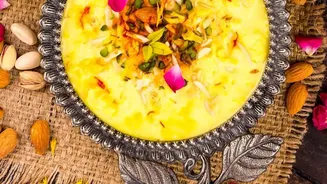
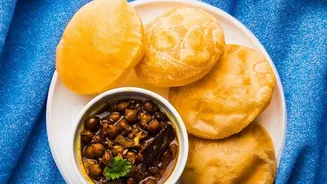
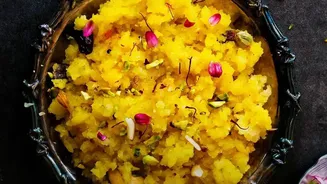
The traditional Navratri fast, once defined by a simple sattvic diet, is now a gourmet affair. Chefs and home cooks are revolutionizing 'vrat ka khana' by blending global trends with fasting-friendly ingredients. Imagine kuttu (buckwheat flour) tacos, samak (barnyard millet) risotto, and sabudana waffles. Restaurants are curating special Navratri thalis and menus that feature baked or air-fried snacks instead of deep-fried ones, catering to a more health-conscious generation. Desserts are also getting a makeover, with innovative sweets like apple halwa, sweet potato kheer, and jaggery phirni with a makhana praline crunch. This culinary creativity proves that fasting food can be both nourishing and exciting, offering a delicious new way to observe the festival.
Decking the Halls: From Diyas to Themed Decor
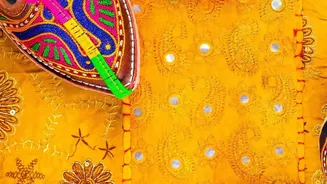
Navratri decorations have evolved from simple and traditional to elaborate and themed. While classic items like marigold garlands, rangoli, and clay diyas remain popular, there's a growing trend towards creating a cohesive festive look throughout the home. Modern ideas include using fairy lights in mason jars, creating floral backdrops for idols, and using colourful dupattas or sarees as drapes. There is also a move towards sustainability, with people opting for reusable faux flowers, brass diyas, and upcycled decor. Some are even choosing themes, such as eco-friendly elegance or a vintage lantern look, to give their homes a unique festive identity. The goal is to make the home feel warm, inviting, and truly special for the nine days of celebration.
The Nine Hues: A Chromatic Celebration
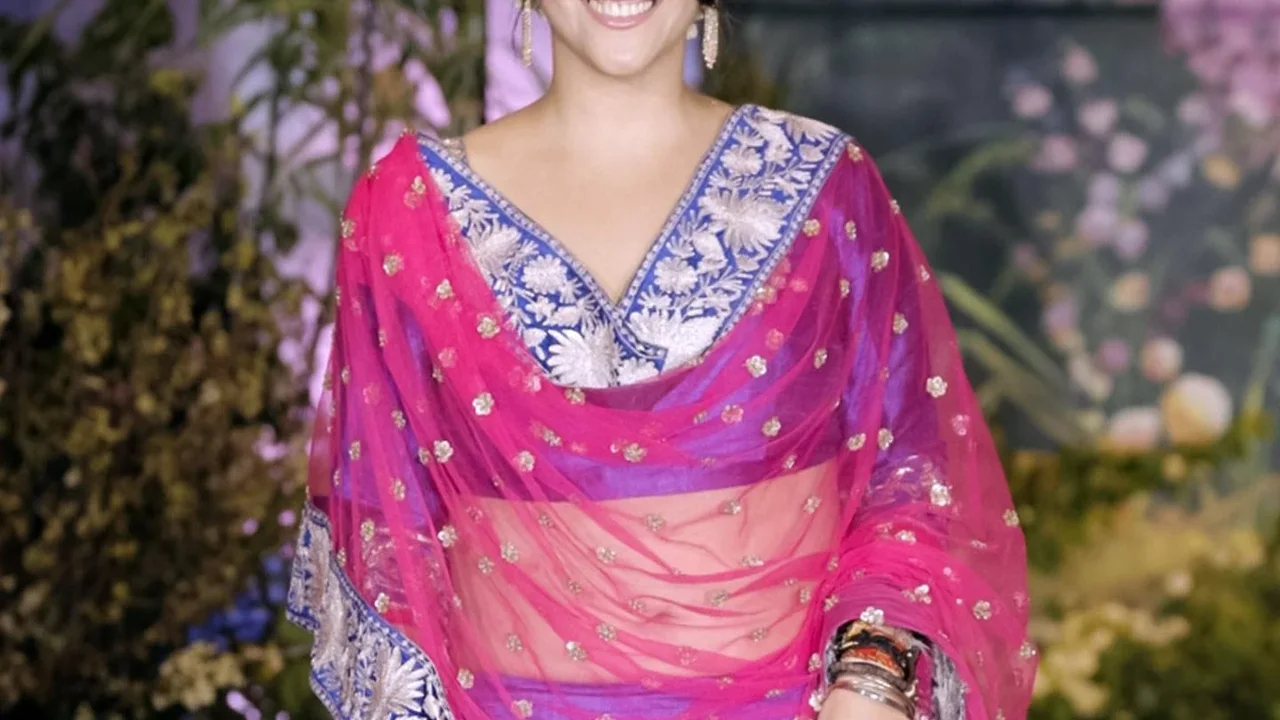
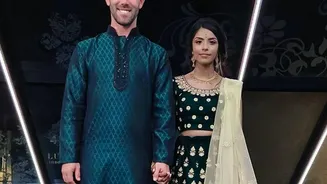
One of the most visually exciting aspects of modern Navratri is the tradition of assigning a specific colour to each of the nine days. For Sharad Navratri 2026, which begins on October 11th, the colour sequence starts with orange, followed by white, red, royal blue, yellow, green, grey, purple, and peacock green. This tradition, particularly popular in Maharashtra and Gujarat, has expanded beyond just clothing. People are now incorporating the colour of the day into their home decor by changing cushion covers, bedsheets, or table runners. Some even coordinate their food and social media posts to match the daily hue, creating a vibrant, nine-day-long visual festival that unites everyone celebrating.
Festive Footsteps: The Rise of Navratri Travel
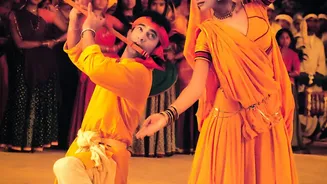
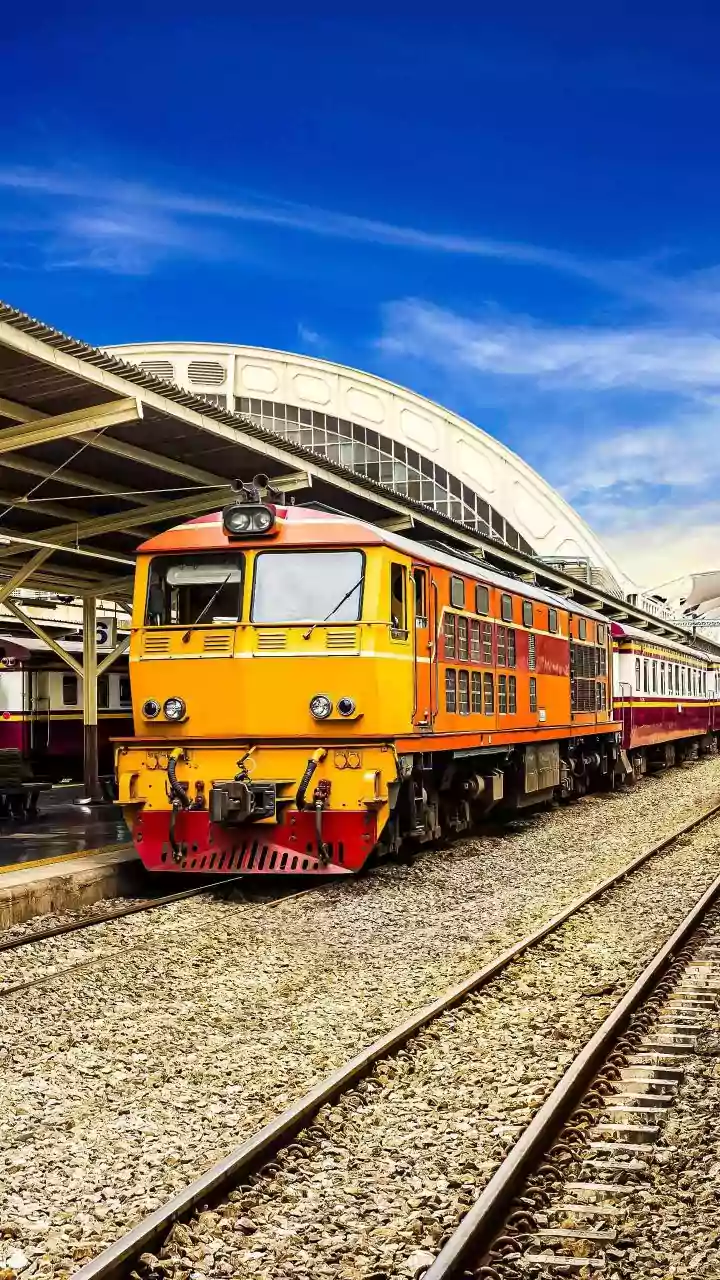
The celebration of Navratri is no longer confined to one's hometown. A growing trend is 'Navratri tourism', where people travel to experience the festival in destinations famous for their grand celebrations. Gujarat, known as the heartland of Garba, is a top destination, with cities like Ahmedabad and Vadodara hosting massive nine-night dance festivals that attract thousands. Tour operators now offer specialised Navratri packages that include accommodation, guided tours, and access to the best Garba and Dandiya venues. Beyond Gujarat, cities like Mumbai, Delhi, and Jaipur also host their own large-scale events, each offering a unique flavour of celebration. This trend highlights how the festival has become a major cultural event, drawing people together from all corners of the country to share in the joy and energy.