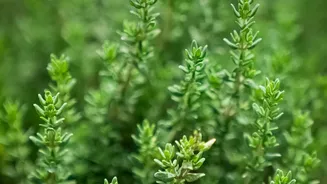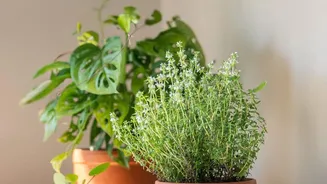





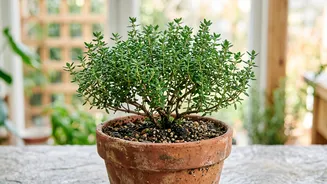
The aroma of fresh thyme elevates cooking, and having a supply on your windowsill is a joy. This hardy Mediterranean herb is surprisingly easy to grow indoors, provided you master three key elements: light, drainage, and careful watering.
Giving Thyme a Sunbath
Thyme is a sun-worshipper.
To thrive indoors, it needs at least six hours of direct sunlight each day. A south-facing windowsill is the ideal location for your potted thyme. If you don't have a spot that gets that much natural light, don't worry. You can supplement with a grow light. For best results, position a full-spectrum LED or fluorescent grow light about 6 to 12 inches above the plant and keep it on for 12 to 16 hours a day. Insufficient light is a primary reason indoor thyme plants fail, often resulting in weak, pale, and 'leggy' stems as the plant stretches towards the nearest light source.
The Right Pot and Soil
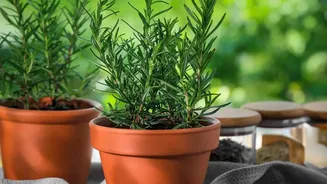
Proper drainage is non-negotiable for thyme, as its roots are highly susceptible to rot in soggy conditions. This is the single most common reason for an indoor thyme plant's demise. Start by choosing a pot with at least one large drainage hole at the bottom. Terracotta or clay pots are excellent choices because the porous material helps wick moisture away from the soil, allowing it to dry out more evenly. The soil itself must be light and well-draining. A standard potting mix amended with sand, perlite, or a bit of fine gravel will work well, or you can use a pre-made cactus or succulent mix. This gritty texture prevents the soil from compacting and retaining too much water.
The Art of Restrained Watering
Forget what you know about watering other houseplants. Thyme is drought-tolerant and prefers its soil on the dry side. The golden rule is to water thoroughly, but infrequently. Before watering again, allow the top inch or two of the soil to dry out completely. A simple way to check is to poke your finger into the soil. If it feels dry, it's time to water. Another method is the 'pot-weight test': get to know how heavy the pot feels right after watering and how light it feels when dry. Indoors, this might mean watering only every 7 to 14 days, depending on your home's temperature and humidity. It's always better to err on the side of underwatering than overwatering.
Pruning for Health and Harvest
Regularly trimming your thyme plant not only provides you with fresh herbs for cooking but also encourages bushy, healthy growth and prevents the plant from becoming woody and sparse. The best time to harvest is just before the plant flowers, as this is when the essential oils and flavour are most concentrated. Use clean scissors to snip off the top few inches of the green, tender stems, always cutting just above a set of leaves. This encourages the plant to branch out. Avoid cutting back more than one third of the plant at a time. A more significant pruning can be done in the early spring to shape the plant and remove any dead or woody stems from the previous year.
Troubleshooting Common Issues
Despite its hardy nature, a few issues can arise. Yellowing leaves and a drooping appearance are often signs of overwatering and root rot, not thirst. If you suspect this, let the soil dry out completely and adjust your watering schedule. Stagnant, humid air can also be a problem, so ensure good air circulation and avoid placing your thyme in a steamy bathroom. Pests like spider mites or aphids are not common but can occasionally appear. If you spot them, a strong spray of water or an application of insecticidal soap should take care of the problem.