



What Exactly Is Apanasana?
Apanasana, pronounced 'ah-pah-NAH-suh-nuh', is a foundational Hatha yoga pose performed while lying on the back. The name comes from the Sanskrit words 'Apana', which refers to the body's downward flow of energy responsible for elimination, and 'Asana',
meaning pose. Therefore, it is literally the 'Pose of Downward-Moving Energy'. It involves gently hugging the knees to the chest, creating a mild compression in the abdominal region. This simple action has a dual effect: it physically massages the digestive organs while simultaneously calming the entire nervous system. Its other common names, Knees-to-Chest Pose and Wind-Relieving Pose, point directly to its primary benefits for relieving gas, bloating, and indigestion.
The Core Benefits of This Gentle Pose
The beauty of Apanasana lies in its accessibility and wide range of benefits. Lying on your back allows the spine to be fully supported, making it a safe and effective way to decompress the lower back and relieve tension from prolonged sitting. This gentle pressure on the abdomen stimulates the ascending and descending colon, which can improve digestion, alleviate constipation, and help release trapped gas. Beyond the physical, the pose is deeply restorative. The shape, reminiscent of the fetal position, creates a sense of safety and comfort, helping to activate the parasympathetic nervous system—our 'rest and digest' mode. This can significantly reduce stress, calm anxiety, and prepare the body for restful sleep. It also provides a gentle stretch for the hips, glutes, and thighs.
A Step-by-Step Guide to Practice
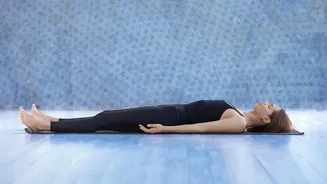
Practicing Apanasana is straightforward, making it perfect for beginners and a staple in any routine. Start by lying flat on your back on a comfortable surface. Keep your legs extended initially and take a few deep breaths to settle in. On an exhale, slowly bend your knees and draw them in towards your chest. Wrap your hands around your shins, just below the knees, or clasp the backs of your thighs if that is more comfortable. Avoid pulling forcefully; the movement should be gentle. Allow your shoulders, head, and neck to relax completely on the floor. You can hold the pose statically for 30 seconds to a few minutes, breathing deeply into your belly. For a more dynamic stretch, you can inhale to let the knees drift slightly away and exhale to hug them back in. A gentle rock from side-to-side can also provide a soothing massage for your lower back.
Modifications and Important Precautions
While Apanasana is very safe, listening to your body is key. If you have any knee sensitivity, holding the backs of your thighs instead of your shins can reduce pressure on the joints. For those with broader chests or midsections, it might feel better to keep the knees slightly apart as you draw them in. A popular variation is Ardha Apanasana, or the Half Wind-Relieving Pose, where you hug one knee to your chest while keeping the other leg extended on the floor. This is an excellent option for those with acute lower back pain or during the first trimester of pregnancy. However, this pose should be avoided by anyone recovering from recent abdominal or spinal surgery, or those with an active hernia. As with any exercise, if you feel sharp pain, it is best to gently release the pose.