






What is the New Proposed Timeline?
The Ministry of Road Transport and Highways (MoRTH) has outlined a gradual, multi-year implementation for the next generation of emission standards, known as BS-VII. According to the draft notifications published in October 2026, the rollout will be staggered
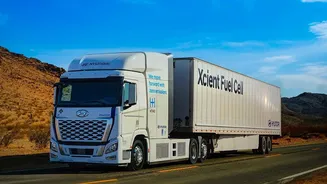
by vehicle type. Passenger vehicles are slated to adopt the new norms from April 1, 2029, followed by light commercial vehicles in April 2030. Critically, the backbone of India's logistics network—heavy commercial vehicles like trucks and buses—are proposed to meet the new standards starting April 1, 2031. Further phased requirements for all categories will continue to be introduced through to 2035. This staggered approach is a departure from the single, nationwide rollout seen with BS-VI in 2020.
Beyond the Tailpipe: What BS-VII Covers
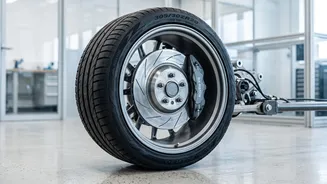
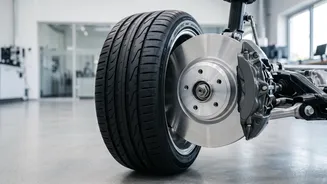
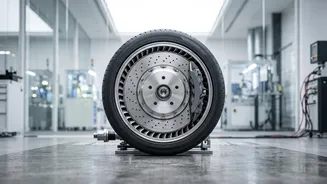
The jump from BS-VI to BS-VII represents a significant evolution in how vehicular pollution is measured and regulated. While some tailpipe emission limits for passenger cars remain similar to BS-VI levels, the new standards introduce a wider-ranging framework. For the first time, regulations will address non-exhaust emissions, which are particles generated from brake wear and tyre abrasion. This is a crucial development, as these particles contribute to air pollution even from electric vehicles. The draft proposes limits on brake particles from 2031, with a uniform limit for all passenger vehicles by 2035. Furthermore, the norms will tighten real-world driving emissions (RDE) testing and require sophisticated on-board monitoring systems to ensure vehicles comply with standards throughout their operational life, not just in laboratory settings.
The Rationale Behind the Phased Rollout
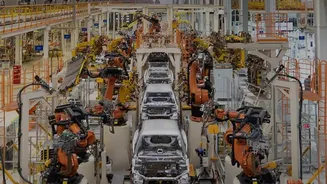
The proposed timelines reflect a complex balancing act between environmental goals and industrial realities. The automotive industry has flagged concerns that an aggressive transition would strain resources and disrupt production. Manufacturers argue that significant investment in research, development, and testing is required to meet the new standards, which are aligned with Europe's stringent Euro 7 norms. Industry bodies like the Society of Indian Automobile Manufacturers (SIAM) had reportedly been discussing a later rollout, potentially starting in 2032, to allow adequate lead time. The phased approach gives automakers more time to adapt, especially for heavy vehicles, which require substantial engineering changes. Executives have warned that diverting massive engineering resources to BS-VII compliance could slow down development in other key areas, such as electric vehicles.
Implications for Air Quality and Costs
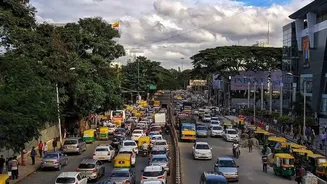
Any delay in implementing stricter emission norms has direct consequences for public health and the environment. Heavy-duty vehicles are significant contributors to particulate matter (PM2.5) and nitrogen oxide (NOx) pollution, which are linked to respiratory and cardiovascular diseases. A later deadline for trucks and buses means these pollutants will be emitted at higher rates for a longer period. On the other hand, a hurried transition could drive up vehicle costs significantly. Industry estimates from previous discussions suggested that BS-VII compliance could increase a vehicle's manufacturing cost by anywhere from ₹30,000 to ₹1,00,000, a cost likely to be passed on to consumers and transport operators. This could impact the price-sensitive commercial vehicle market and, by extension, freight costs across the country.
What Happens Next?
It is important to remember that these are draft standards. The Ministry has invited objections and suggestions from the public and stakeholders for 30 days following the notification's publication. This feedback period is a standard part of the regulatory process and could lead to changes in the final rules and timelines. The automotive industry will almost certainly use this window to lobby for what they see as more realistic deadlines, citing the need to ensure new technologies are robustly tested and validated. Environmental groups and public health advocates will likely push back, arguing for the urgent need for cleaner air in India's cities. The final, gazetted norms will reveal the government's definitive path forward.