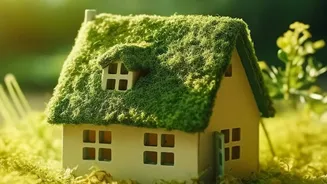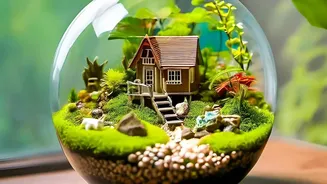




In our busy lives, finding a pocket of peace is a luxury. An indoor moss garden offers just that—a miniature, living landscape that brings a touch of serene nature into your home without demanding much in return. It's the perfect green escape.
The Allure of Miniature Greenery
In Indian
homes, the desire to connect with nature is deeply ingrained. Traditional architecture often included courtyards and verandahs that blurred the line between inside and out. Today, as urban living places us in more compact apartments, this connection can feel lost. This is where the concept of biophilic design comes in—the idea of intentionally bringing natural elements indoors to improve our well-being. Studies have shown that being around nature, even in miniature form, can reduce stress, calm the mind, and improve focus. An indoor moss garden is a perfect expression of this trend. It’s more than just a plant in a pot; it's a tiny, self-contained ecosystem that offers a moment of quiet contemplation. These verdant displays are becoming a popular choice for those seeking a low-maintenance way to add life and tranquility to their living spaces.
Choosing the Right Moss
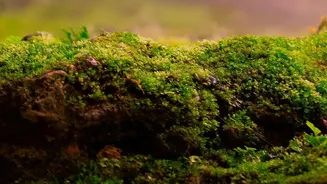
Not all moss is created equal when it comes to thriving indoors. The best choices for a terrarium are species that enjoy high humidity and low, indirect light. For beginners, Sheet Moss (Hypnum species) is an excellent starting point because it grows in a flat, carpet-like manner, quickly covering the soil. Cushion Moss (Leucobryum glaucum), also called Pillow Moss, is another favourite. It forms dense, dome-shaped clumps that add texture and a rolling, hilly look to your miniature landscape. For a more delicate, feathery appearance, Fern Moss (Thuidium delicatulum) mimics a tiny forest floor and thrives in moist, enclosed environments. These varieties are not only beautiful but are well-suited to the stable conditions of a glass container.
Create Your Own Moss Terrarium
Building your own moss garden is a simple and rewarding project. You’ll need a clear glass container (a jar with a lid works well), small pebbles, activated charcoal, potting soil, and your chosen moss. Start by adding a layer of pebbles at the bottom for drainage. On top of this, add a thin layer of activated charcoal, which helps keep the environment fresh by filtering impurities. Next, add a layer of moistened potting soil. Now for the creative part: gently press your moss onto the soil surface. Don't bury it. You can arrange different types of moss to create a varied landscape, adding small stones or twigs to resemble a natural scene. Once everything is in place, lightly mist the moss with water to help it settle.
Finding the Perfect Quiet Corner
The placement of your moss garden is key to its success. Moss thrives in shady, cool conditions and dislikes direct sunlight, which can quickly scorch its delicate leaves. A north-facing windowsill, a bookshelf in a well-lit room, or a spot on a desk away from the window are all excellent choices. The goal is to provide bright, indirect light. Think of the filtered light on a forest floor. You should also avoid placing your terrarium near heaters, air conditioning vents, or in areas with drafts, as sudden temperature changes can stress the moss. By finding the right spot, you create a stable microclimate where your miniature garden can flourish, transforming a forgotten corner into a point of natural beauty.
The Simple Art of Moss Care
One of the greatest appeals of a moss garden is its lowndowtainance nature. The most crucial part of care is managing moisture. Moss should be kept consistently moist but never waterlogged. A light misting with a spray bottle every few days is usually sufficient, though you may need to do it more often in a drier home environment. It's best to use filtered water or rainwater, as the chlorine and minerals in tap water can harm the moss over time. If your terrarium has a lid, it will create its own water cycle, and you'll need to water it far less frequently—perhaps only every few weeks. If you see too much condensation, simply remove the lid for a few hours to allow for some air circulation.