





Mastering the Commute
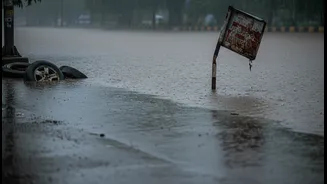
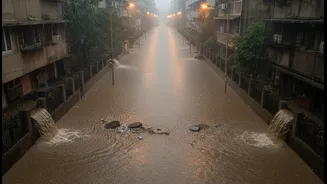
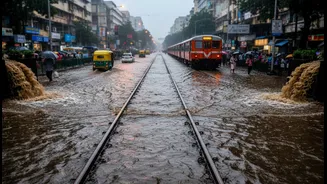
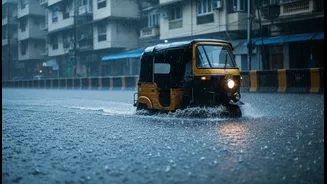
For any Mumbaikar, the daily commute is the first and most significant challenge when the rains hit. The city's lifelines—its local trains and buses—can be severely tested. On days with heavy rainfall, waterlogging on tracks often leads to delays or cancellations,
particularly on the Western Railway network. As seen in early July 2026, services can be reduced to a skeletal basis with little warning. Roads are no exception, with major thoroughfares like the Mumbai-Ahmedabad Highway experiencing traffic disruptions due to flooding. Your best strategy is to stay informed. Before you leave, check real-time updates on apps like M-Indicator and follow the official Twitter handles of the Mumbai Police and railway divisions. It’s wise to have multiple routes planned and, if possible, leave earlier or later than peak hours. A 'monsoon kit' for your bag is a good idea: a power bank, a waterproof pouch for electronics, and a dry pair of socks can make a world of difference.
The Flexible Workplace
The chaos of the monsoon has accelerated a shift in workplace culture. Many companies in Mumbai now actively encourage employees to work from home during heavy downpours, a practice that gained traction after widespread disruptions in previous years. While authorities may not issue a formal city-wide directive for private offices, many firms now have internal policies for days with Red or Orange weather alerts. The key is clear communication. Keep your manager informed about your situation and inability to travel safely. If you must go to the office, understand that your journey might be longer and more unpredictable. The monsoon reinforces that in Mumbai, productivity is not about being tethered to a desk, but about adapting to the circumstances the city presents.
Fortifying Your Home
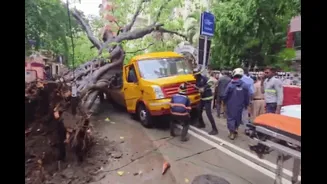
When the rain is relentless, your home is your sanctuary—but only if it’s prepared. Before the season begins, it’s crucial to check for and repair any leaks in roofs and walls. Securing windows against strong winds reaching 60-70 kmph is also vital. Given the potential for power cuts and disruptions to supply chains, stocking up on essentials is a non-negotiable. Ensure you have enough drinking water, non-perishable food, a first-aid kit, and candles or emergency lights. A fully charged power bank is your best friend during an outage. For those in low-lying areas prone to waterlogging, it's critical to move valuables and electronics to higher ground. The Brihanmumbai Municipal Corporation (BMC) often issues advisories, urging citizens to stay away from dilapidated structures and not to park vehicles under trees that could be uprooted by strong winds.
Staying Healthy and Safe
The monsoon brings more than just water; it also brings a host of health risks. Waterborne diseases, including leptospirosis, become a concern, especially when wading through stagnant water. The BMC regularly issues health advisories, urging citizens to take preventive measures and seek early medical treatment if symptoms like fever and muscle aches appear. It's generally advised to avoid street food during this season due to the higher risk of contamination. Stick to boiled water and freshly cooked home meals. Mosquito-borne illnesses also see a spike, so take precautions to prevent breeding spots around your home. Beyond health, physical safety is paramount. Authorities consistently warn the public to stay away from the sea during high tides and avoid visiting beaches or promenades when alerts are active.
Embracing the Spirit
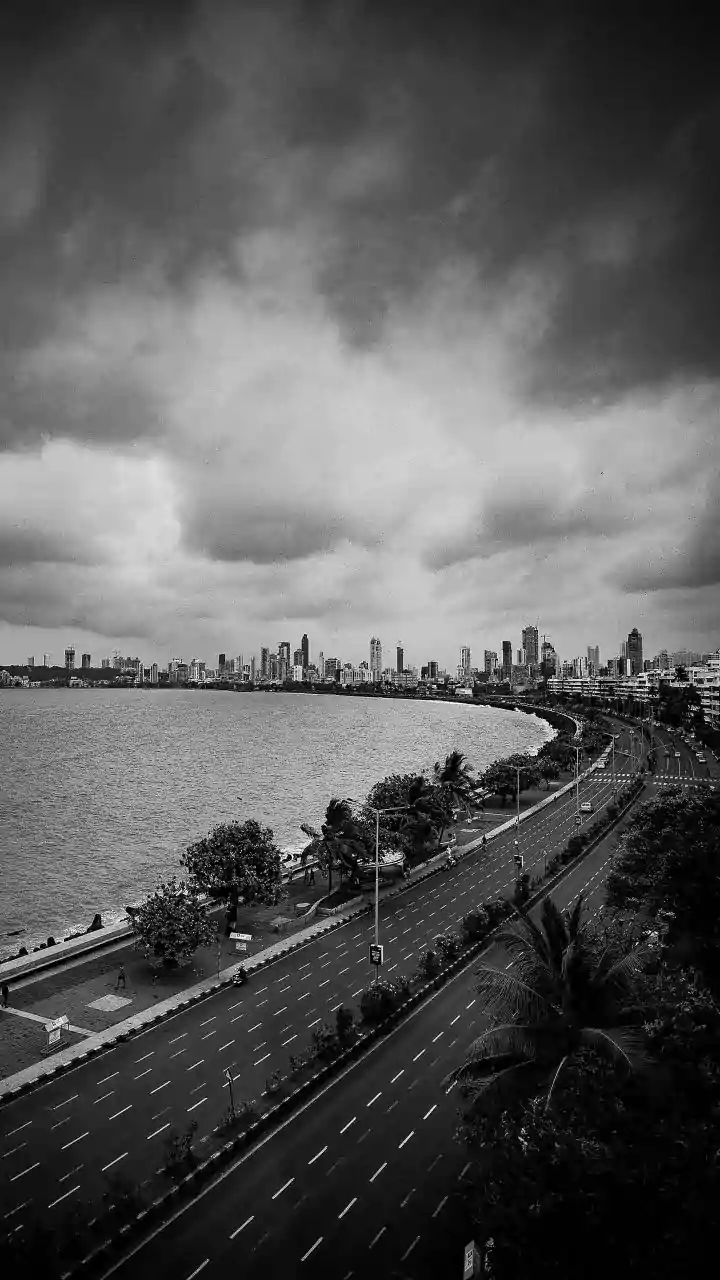
Despite the logistical nightmares, there’s a side to the monsoon that is deeply cherished. It’s a season that tempers the city's relentless pace. There's a unique beauty in watching the waves crash against Marine Drive (from a safe distance), the lush greenery that appears in places like Sanjay Gandhi National Park, and the simple joy of a hot cup of chai on a rainy afternoon. The monsoon often fosters a sense of community, with strangers helping each other navigate a waterlogged street or sharing an auto-rickshaw. Thriving during this season is less about fighting the rain and more about adapting to its rhythm. It requires a mindset that can pivot from a meticulously planned day to an impromptu one spent indoors.