



The Science Behind The Shravan Diet
The month of Shravan (or Sawan) aligns with the peak of the monsoon season in India. According to Ayurveda, this is a time when our digestive fire, or 'agni', is naturally weaker due to the damp and humid environment. The traditional Shravan diet, which
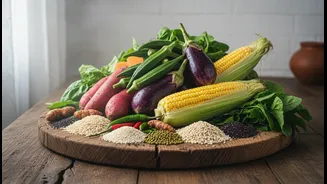
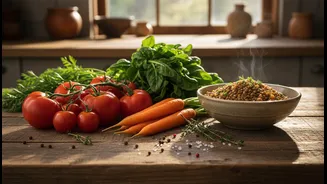
emphasizes light, easy-to-digest foods, is scientifically sound. By avoiding heavy grains, non-vegetarian items, onions, and garlic, the body gets a much-needed detox. This period of mindful eating helps cleanse the system, improve digestion, and boost overall energy, making the fasts as beneficial for the body as they are for the soul. The focus shifts to 'sattvic' foods—pure, simple, and nourishing ingredients like fruits, certain vegetables, dairy, and specific fasting flours.
Sabudana Khichdi: The Classic Energiser
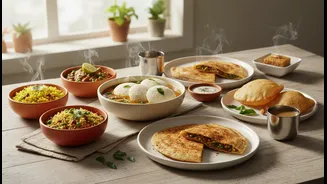
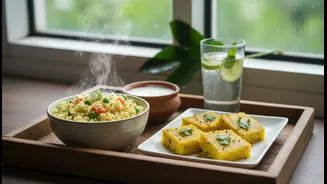
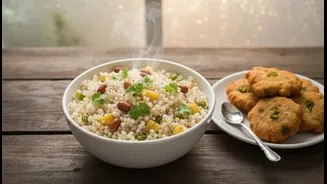
No Shravan fast is complete without the iconic Sabudana Khichdi. These pearly white tapioca spheres are a powerhouse of carbohydrates, providing sustained energy to keep you going through the day. While it seems simple, the perfect, non-sticky khichdi is an art. The secret lies in soaking the sabudana correctly—just enough water to cover it—and allowing it to soften completely. When tossed with ghee, cumin seeds, green chillies, boiled potatoes, and a generous amount of roasted peanuts, it becomes a wholesome and delicious meal. A final squeeze of lemon juice cuts through the richness and elevates the flavour, making it a truly satisfying start to your day.
Kuttu Ki Puri: The Warming Wonder
As the rains bring a chill to the air, Kuttu (buckwheat) flour comes to the rescue. Kuttu is not a wheat but a seed, making it naturally gluten-free and a popular choice for fasting. It is considered a 'heaty' or warming food, which helps balance the body's temperature during the damp monsoon season. Rich in protein, fibre, and essential minerals like magnesium, it's far more nutritious than regular wheat flour. Kuttu ki Puris, when paired with a simple jeera-spiced Aloo ki Sabzi (potato curry made without onion or garlic), make for a hearty and traditional breakfast. The earthy flavour of the buckwheat puri combined with the comforting potato curry is a classic combination that feels both indulgent and compliant with vrat rules.
Samak Rice Upma or Idli: The Light Alternative
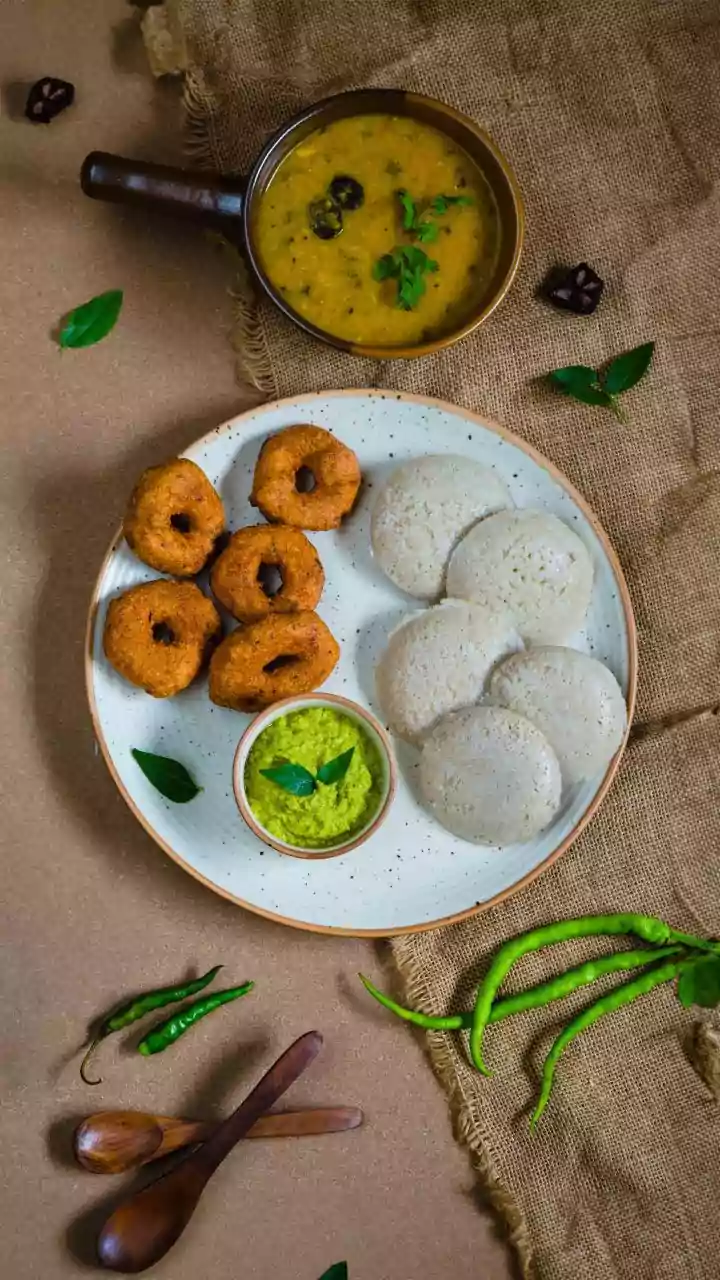
For those seeking a lighter grain alternative, Samak rice, also known as barnyard millet, is an excellent choice. This tiny, rice-like millet is incredibly easy to digest and cooks quickly. It can be transformed into a fluffy upma by tempering it with cumin, green chillies, and peanuts, similar to its semolina-based cousin. For an even lighter option, a batter of soaked Samak rice can be fermented and steamed to make soft, pillowy idlis. These can be served with a simple coconut or peanut chutney (made with rock salt). This breakfast is not only gentle on the stomach but also provides steady energy without the heaviness of traditional grains.
Fruit Chaat with Nuts and Seeds: The Sattvic Boost
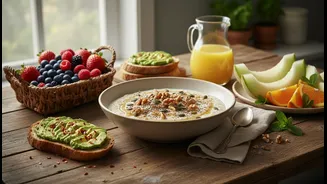
The simplest and perhaps purest Shravan breakfast is a bowl of fresh, seasonal fruits. The monsoon offers a bounty of delicious options like pears, apples, and pomegranates. Chopping up a mix of these fruits creates a vibrant and hydrating meal. To make it more substantial, turn it into a fruit chaat. Add a sprinkle of sendha namak (rock salt) and roasted cumin powder for flavour. For a dose of healthy fats and protein, toss in a handful of nuts like almonds and walnuts, and seeds such as pumpkin or flax seeds. This no-cook breakfast is packed with vitamins, antioxidants, and fibre, perfectly aligning with the sattvic principles of clean and light eating.