




1. The Boom in Downstream Data Services
The most significant job growth isn't just in launching rockets, but in using the data they send back. This "downstream" sector is creating a huge demand for professionals who can interpret satellite imagery and data. Companies are hiring data scientists
and AI specialists to build algorithms for countless applications, including precision agriculture, climate change monitoring, urban planning, and disaster management. These roles require skills in Python, machine learning, and data analysis, making expertise in these areas as crucial to the new space economy as rocket science itself. This creates high-skilled employment across diverse industries that rely on space-derived insights.
2. A Surge in Private Manufacturing and Launch Services
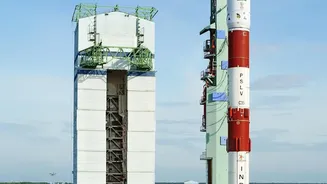
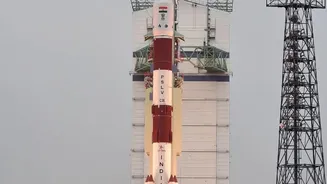
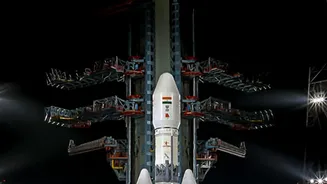
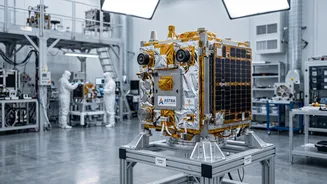
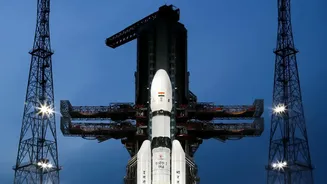
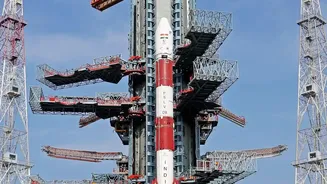
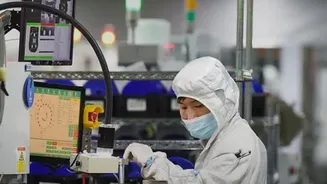
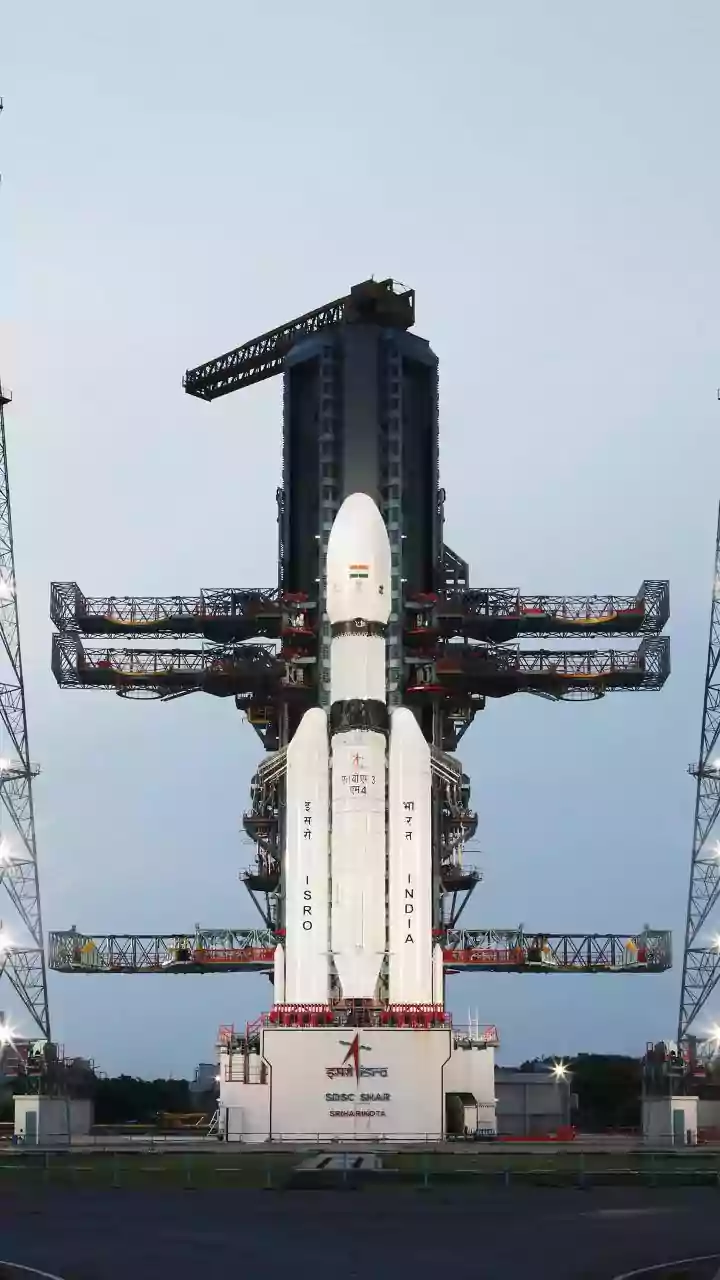
The Indian government's decision to open the space sector in 2020 has catalyzed a manufacturing and launch revolution. Private companies like Skyroot Aerospace and Agnikul Cosmos are now developing and launching their own rockets. This shift from ISRO being the sole player to a broader ecosystem creates a massive demand for traditional engineering roles in aeronautical, mechanical, and electronics disciplines. Moreover, it spawns a network of over 500 private suppliers and MSMEs that build everything from tiny components to entire satellite systems, generating employment across the entire supply chain. This industrial expansion underpins the 'Make In India' initiative, fostering self-reliance and integrating Indian companies into global value chains.
3. The Rise of a Vibrant Startup Ecosystem
India's space startup scene has exploded, growing from just one registered company in 2014 to around 440 by mid-2026. This entrepreneurial boom is a powerful engine for job creation. These startups, many founded by former ISRO scientists, are not only hiring engineers but also professionals in business development, finance, marketing, and project management. To fuel this growth, the government and venture capitalists are injecting significant funds. Initiatives like the IN-SPACe seed fund and a dedicated ₹1,000 crore venture capital fund are designed to support startups from the idea stage to commercialisation, creating a fertile ground for innovation and employment.
4. Demand for New and Specialized Skill Sets
The modern space industry requires a host of new, interdisciplinary skills beyond traditional engineering. As missions become more complex, there is a growing need for experts in robotics and autonomous systems to handle everything from manufacturing to operating rovers on other planets. With satellites and ground stations running on complex code, software development and cybersecurity have become paramount to protect valuable space assets from digital threats. Furthermore, as private activities in space expand, a new class of professionals is emerging in fields like space law and policy, who are needed to navigate the regulatory landscape of this new commercial frontier.
5. Growth in Ancillary and Support Industries
The economic impact of the space sector creates a ripple effect, indirectly supporting millions of jobs. For every direct job in a space company, numerous other roles are created in ancillary industries. This includes jobs in logistics for transporting sensitive components, materials science for developing heat-resistant alloys, and specialized finance and insurance sectors that underwrite high-stakes space missions. Sectors like telecommunications, which rely on satellites for connectivity, also see significant job creation. Studies indicate a strong multiplier effect, where every dollar invested in the space sector adds an additional $2.54 to the wider economy, fueling broad-based employment growth.