






Why Banana Peels Work
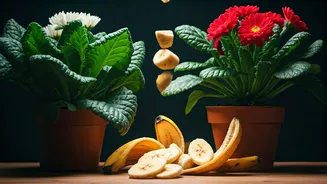
Banana peels are a fantastic organic source of potassium, a crucial nutrient for plants. Potassium plays a vital role in nearly every process related to plant health, from regulating water intake to enabling photosynthesis. For flowering plants, it's
especially important. It strengthens stems, enhances flower colour and size, and helps the plant develop robust fruits or seeds. While not a complete fertiliser, a banana peel boost provides this key element without the risk of chemical burn associated with synthetic products. The peels also contain smaller amounts of phosphorus, which aids root and flower development, and magnesium, essential for photosynthesis. By using them, you're not just feeding your plants; you're also enriching the soil with organic matter that improves its structure over time.
Method 1: Banana Peel Tea
One of the most popular and effective methods is to create a nutrient-rich liquid 'tea'. This method is clean, easy, and allows for quick absorption by the plant's roots. To make it, simply place a fresh banana peel (or two) in a large jar and fill it with water. Seal the jar and let it sit for two to three days in a cool, dark place. You'll notice the water turning a pale, yellowish-brown colour. After steeping, remove the peel. The resulting liquid is your 'banana tea'. Dilute this concentrate with an equal amount of fresh water (a 1:1 ratio) before using it to water your plants. Apply this solution once every two weeks during the growing and flowering season for a gentle, consistent nutrient boost.
Method 2: The Chop and Bury Technique
This method involves adding the peel directly to the soil, where it decomposes slowly and releases nutrients over time. However, simply placing a whole peel on top of the soil is not recommended, as it can attract pests like fruit flies and gnats, and may become mouldy. Instead, chop the banana peel into small, 1-inch pieces. When you are repotting a plant, you can mix these pieces directly into the lower layers of the fresh potting soil. If you're not repotting, you can carefully dig a small trench around the inner rim of the pot, away from the plant's main stem, and bury the pieces an inch or two deep. This keeps pests away and ensures the nutrients are released near the root zone. Be careful not to disturb the plant’s roots too much during this process.
Method 3: Dried Banana Peel Powder
For a less messy, storable, and potent option, consider making banana peel powder. This method concentrates the nutrients and allows for easy application. To do this, collect your banana peels and dry them until they are crispy and brittle. You can do this by leaving them out in the hot sun for a few days, or by baking them on a tray in the oven at a very low temperature until they are completely dehydrated. Once they are bone-dry, you can crush them by hand or grind them into a fine powder using a mixer-grinder. Store this powder in an airtight container. To use it, simply sprinkle a spoonful of the powder around the base of your plants and lightly mix it into the top layer of soil before watering. This acts as a slow-release fertiliser that will feed your plants for weeks.
A Few Important Considerations
While banana peels are beneficial, they are not a one-stop solution for plant nutrition. They are a supplement, not a replacement for a balanced, all-purpose fertiliser that contains nitrogen, which banana peels lack. It's best to use them in combination with your regular feeding routine. If possible, use peels from organic bananas to avoid introducing any pesticides into your soil. Always monitor your plants for any signs of pests after introducing organic material. If you notice fruit flies, try burying the peels deeper or switching to the 'tea' or powder method. Finally, be patient. Organic fertilisers work more slowly than their chemical counterparts, enriching the soil and supporting sustainable, long-term plant health.