


The Serenity of Arashiyama Bamboo Grove
The photos are enchanting: a path winding through a towering forest of green bamboo stalks, the light filtering down in ethereal shafts. Arashiyama Bamboo Grove in Kyoto is the picture of tranquility. The reality, however, can be a slow, shuffling procession
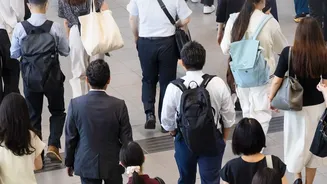
of hundreds of fellow tourists, all vying for that one perfect, person-free shot. The main path is surprisingly short—about 400 meters—and the experience can feel more like a queue than a peaceful stroll, especially after 10 a.m. The soundscape, once listed as one of Japan's 100 to be preserved, is often drowned out by chatter. While some say it's still worth it if you go very early (before 8 a.m.), or see it as just one small part of a day in the wider Arashiyama area, many leave wondering what all the fuss was about.
A Quieter Path Through the Bamboo
For a more peaceful bamboo experience without the shoulder-to-shoulder crowds, consider the Muko Bamboo Path (Take-no-Michi). Located in Muko City just southwest of Kyoto, this 1.8-kilometer path offers a similar atmosphere through cultivated groves but is far less frequented by tour buses. Alternatively, some temples have their own beautiful, secluded bamboo groves. Hokoku-ji Temple in nearby Kamakura is famous for its small but stunning grove, where you can sip matcha while enjoying the view. Even within Arashiyama itself, venturing beyond the main path to temples like Jojakko-ji or the serene Adashino Nenbutsuji can provide a sense of discovery and peace that the main grove often lacks.
The View from Tokyo's Towers
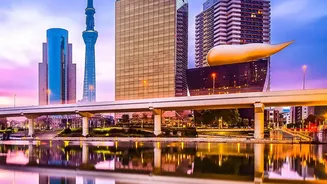
Seeing Tokyo's sprawling metropolis from above is a must-do. The two most famous options are the classic Tokyo Tower and the modern Tokyo Skytree. Both offer stunning panoramas but come with significant downsides: long queues, high ticket prices, and crowded observation decks. A common complaint is that you can spend a significant portion of your precious vacation time simply waiting in line for an elevator. Plus, a view from the Skytree is, by definition, a view of Tokyo without the Skytree in it—a key element of the modern skyline. These iconic structures can feel like expensive and time-consuming tourist traps when smarter options are available.
Free Panoramas and Better Perspectives
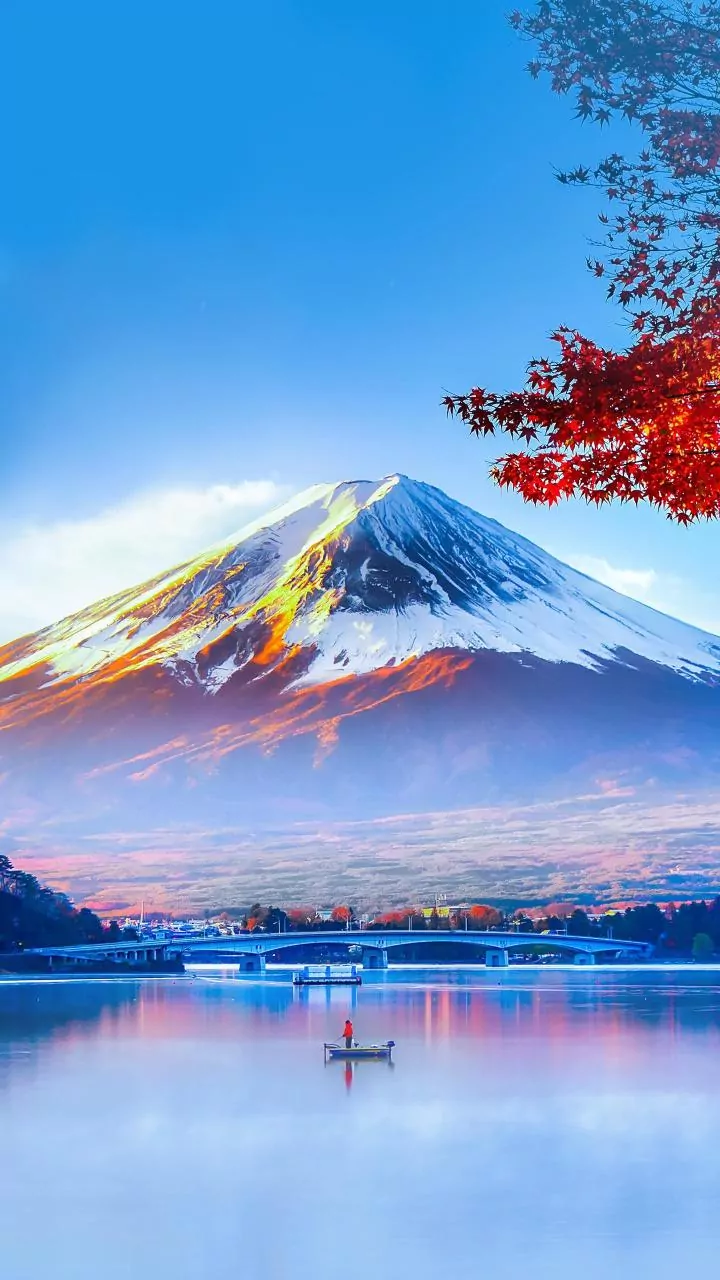
For an equally impressive, and often free, alternative, head to the Tokyo Metropolitan Government Building in Shinjuku. Its twin towers feature observation decks at 202 meters that offer sweeping views of the city, and on clear days, you can even see Mount Fuji. Other excellent free options include the Caretta Shiodome Sky View for vistas of Tokyo Bay and the Yebisu Garden Place Sky Lounge for a fantastic night view facing Tokyo Tower. For a great shot of Senso-ji Temple with the Skytree in the background, the 8th-floor terrace of the Asakusa Culture Tourist Information Center is an unbeatable—and free—vantage point.
The Endless Gates of Fushimi Inari
Kyoto's Fushimi Inari Shrine, with its thousands of vermilion torii gates winding up a mountainside, is another world-famous site. However, its popularity means the lower paths, particularly the iconic Senbon Torii (Thousand Torii) section, are often packed shoulder-to-shoulder. The peak time for crowds is between 10 a.m. and 4 p.m., when tour buses and school groups arrive, turning a spiritual hike into a frustrating shuffle. While the shrine is open 24/7 and is stunningly atmospheric at sunrise or after dark when lanterns are lit, a midday visit can feel overwhelming and rob the site of its mystique. Many visitors don't realize that the crowds thin out considerably the higher you climb, but the initial impression can be one of congestion.
Finding Your Own Sacred Space
The magic of Fushimi Inari can still be captured by timing your visit strategically—arriving before 8 a.m. or after sunset makes a world of difference. However, if you're seeking the broader experience of traditional Japan without the crowds of Kyoto, several other cities offer a similar atmosphere. Kanazawa, often called 'Little Kyoto', boasts beautifully preserved geisha districts, samurai quarters, and one of Japan's most celebrated gardens, Kenrokuen. The alpine town of Takayama offers historic wooden streets and a strong sake-brewing culture, while Kurashiki features a picturesque canal district. These cities provide a deep dive into Japanese heritage with a fraction of the tourist footfall, allowing for a more personal and relaxed experience.