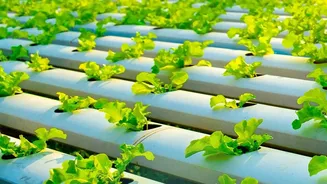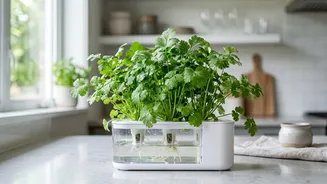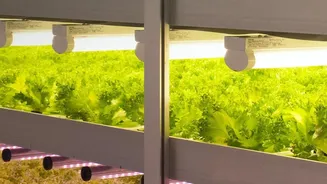




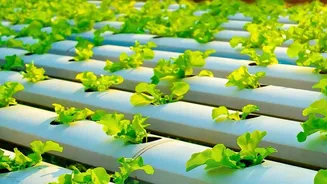

Growing fresh, aromatic coriander at home is a joy, and hydroponics offers a clean, fast-growing alternative to soil. But this sensitive herb, known as dhaniya, has specific needs. Success depends on mastering its environment from the start.
Why Coriander is a Sensitive Crop
Coriander
is notorious for its tendency to 'bolt', which is when the plant prematurely switches from producing lush leaves to growing flower stalks and seeds. Once bolting begins, the leaves often become sparse, thin, and develop a bitter taste, effectively ending your harvest. The primary trigger for bolting is stress, and the biggest stressor for coriander is heat. Unlike hardier herbs, it is a cool-season plant that interprets consistent warmth as a signal to end its life cycle. This makes environmental control, particularly temperature, the single most important factor for a successful, long-lasting harvest.
The Ideal Temperature Sweet Spot
For optimal leafy growth, hydroponic coriander thrives in a surprisingly cool temperature range. The ideal air temperature is between 15°C and 22°C. Some sources suggest a slightly wider range of up to 24°C or 25°C, but most agree that temperatures consistently above this will trigger bolting. More important than the air temperature is the temperature of your nutrient solution. Warm water is a direct signal to the roots to stop vegetative growth. Keeping the water or reservoir temperature below 24°C is critical for delaying flowering and maximising your supply of fresh leaves.
Practical Temperature Control at Home
Managing temperature in an Indian climate can be challenging but not impossible. Place your hydroponic setup in the coolest part of your home, away from direct, intense afternoon sun and heat-generating appliances. A north-facing window might be better than a south-facing one. Using a small fan to ensure good air circulation helps prevent hot spots from forming around the plants. You can also manage the water temperature by using an opaque reservoir to block light and heat, or even by placing frozen water bottles in the reservoir on particularly hot days to gently cool the nutrient solution. For more advanced setups, small, affordable heat mats with thermostats can be used to maintain a stable root zone temperature.
The Role of Humidity
While temperature is the main concern, humidity is also a key player in your coriander's health. The ideal humidity level for hydroponic coriander is between 50% and 70%. Proper humidity allows the plant to transpire effectively, a process that helps it draw nutrients up from the water. If the air is too dry, the plant may struggle. Conversely, if humidity is too high, it creates a welcoming environment for fungal diseases like powdery mildew, which appears as a white, dusty coating on the leaves. Good air circulation from a fan is crucial here as well, as it helps keep humidity levels stable and prevents stagnant, moist air from settling on the leaves.
How to Manage Humidity Levels
Monitoring humidity is the first step; a simple digital thermometer-hygrometer can track both temperature and humidity for you. If the air in your growing area is too dry, which can happen in air-conditioned rooms, you can increase humidity by regularly misting your plants with a spray bottle. If your space is too humid, especially during monsoon season, a small dehumidifier can be effective. However, the easiest and most important tool for managing humidity is proper ventilation. A fan not only cools the plants but also disperses excess moisture, reducing the risk of fungal problems and creating a healthier microclimate for your dhaniya.