


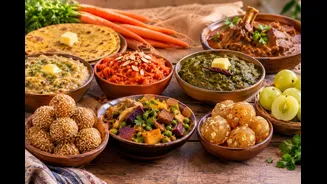
As temperatures drop, Indian kitchens embrace a culinary shift. Hearty, warming dishes take centre stage, and none is more iconic than Sarson ka Saag. This beloved Punjabi staple is more than just a meal; it’s a taste of winter itself.
The Soul of Punjabi Winter
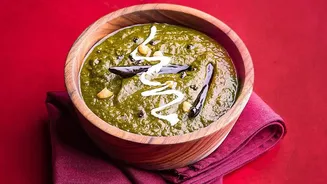
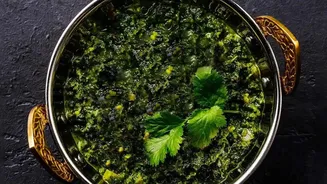
Sarson ka Saag is
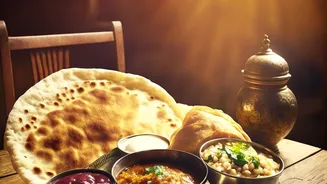
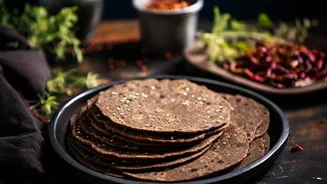
a rustic and deeply flavourful dish made primarily from mustard greens (sarson). Given that mustard is a winter crop, harvested in the cooler months, the dish is intrinsically tied to the season. The greens, which can be tough and slightly bitter, are slow-cooked for hours, often with other leafy greens like spinach (palak) or bathua (chenopodium) to balance the texture and flavour. The mixture is simmered until it breaks down into a coarse, creamy purée. Tempered with ginger, garlic, and green chillies fried in ghee, the final dish is earthy, robust, and profoundly comforting. It's almost always served with Makki ki Roti, a flatbread made from maize flour, creating a wholesome meal that has nourished families for generations.
The Wisdom of Eating Seasonally
The tradition of eating dishes like Sarson ka Saag in winter is rooted in ancient wisdom and agricultural cycles. According to Ayurveda, mustard greens are considered 'warming' in nature, believed to improve circulation and digestion during the colder, more sluggish months. Nutritionally, these greens are a powerhouse. They are packed with vitamins A, C, and K, as well as essential minerals like iron and calcium. This nutrient density helps bolster the immune system, which is crucial during the cold and flu season. The high fibre content supports gut health, while the preparation with ghee ensures that fat-soluble vitamins are absorbed effectively.
Beyond Saag: A Tour of Winter Delicacies
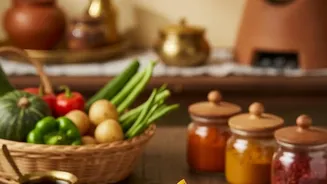
While Sarson ka Saag is a winter hero, it's part of a much larger tapestry of seasonal Indian cuisine. Different regions have their own unique dishes that celebrate the winter harvest. In Gujarat, winter means it's time for Undhiyu, a complex, slow-cooked mixed vegetable dish. Its name comes from the Gujarati word 'undhu', meaning 'upside-down', referring to the traditional method of cooking it underground in sealed earthen pots. It features a medley of winter vegetables like surti papdi (flat beans), purple yam, sweet potatoes, and baby eggplants, all bound together with a fragrant green masala.
Sweet Comforts and Hearty Grains
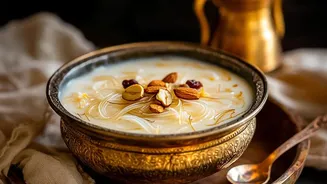
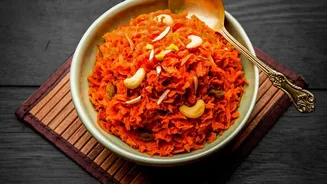
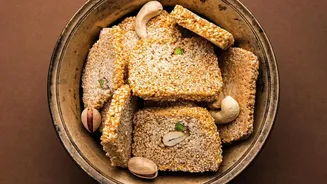
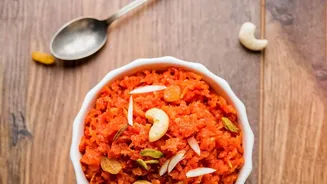
No exploration of Indian winter food is complete without mentioning the desserts and other warming preparations. Gajar ka Halwa is a quintessential winter sweet in North India, made by slow-cooking grated red carrots with milk, ghee, and sugar until it becomes a rich, fragrant pudding. The dish is synonymous with winter because the specific red carrots used are at their sweetest and most vibrant during this season. Another winter staple, especially in Punjab, is Panjiri. This is a highly nutritious mixture of whole wheat flour, ghee, sugar, and a generous amount of nuts and seeds. Considered a 'warming' food, it's an energy-dense snack perfect for combating the cold and is also traditionally given to new mothers to aid recovery.
Bringing Winter Flavours to Your Table
Embracing Indian winter cuisine is about more than just recipes; it's about appreciating the logic of seasonal eating. Many of these dishes rely on simple, fresh ingredients that are at their peak during the colder months. Dishes like Palak Paneer, made with fresh winter spinach, and various dals (lentil curries) become staples. Flatbreads made from heartier grains like pearl millet (bajra) and maize (makki) replace lighter summer options, providing sustained energy. By understanding the 'why' behind these dishes, you can appreciate the deep connection between food, culture, and the changing seasons, bringing a sense of warmth and tradition to your own kitchen.