



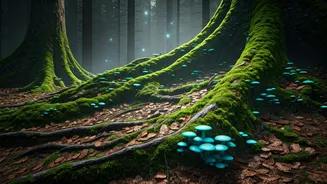



A Symphony of Light
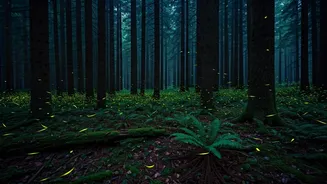
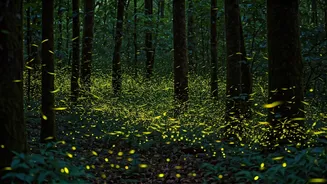
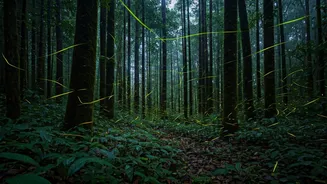
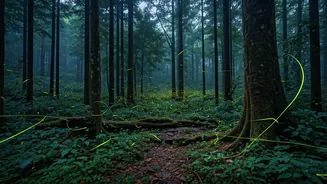
Imagine standing in near-total darkness, the air thick with the scent of wet soil and foliage. At first, there’s a single, hesitant flicker. Then another. Within minutes, thousands, and then tens of thousands, of fireflies begin to flash in unison. It’s
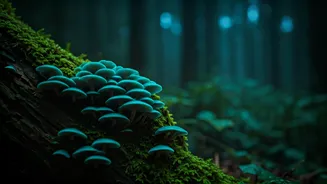
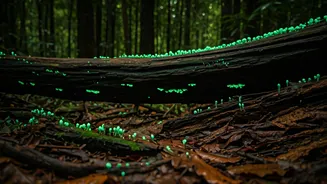
not a chaotic twinkling, but a coordinated, rhythmic pulse of light that flows through the trees like a living current. Entire branches, sometimes whole trees, light up and go dark together, creating waves of bioluminescence that ripple across the forest canopy. This breathtaking spectacle, once a common sight but now increasingly rare, is one of nature’s most enchanting performances, turning a simple night walk into a truly otherworldly experience.
The Science of the Spectacle
This mesmerising display is not random magic; it's a sophisticated mating ritual. The stars of the show are typically male fireflies, which use their light-producing organs in a process called bioluminescence. They flash in synchrony to create a stronger, more coherent signal to attract female fireflies, who often respond with their own, fainter flashes from the ground or lower branches. Scientists believe this synchronisation helps males avoid being 'jammed' by the signals of their rivals, making it easier for females to spot a suitable mate. The phenomenon is most prominent just before the monsoon, from late May to mid-June, when the humidity is high and conditions are perfect for both mating and the survival of their larvae, which feed on snails and slugs.
An Ecological Barometer
Beyond their beauty, these firefly assemblies are powerful indicators of a healthy ecosystem. Fireflies are incredibly sensitive to their environment. They thrive in areas with clean water, minimal light pollution, and dense forest cover. Their presence in large numbers signifies that the forest is pristine, free from harmful pesticides, and that the natural cycle of prey (like snails) is intact. Conversely, their absence from areas where they once flourished is a silent alarm bell, warning of habitat degradation, increasing urbanisation, and the pervasive glow of artificial lights that disrupts their mating signals. In this way, a forest full of flashing fireflies is a forest that is breathing, healthy, and whole.
Where to Witness the Wonder
Several pockets within the vast Western Ghats have become known for these annual gatherings. The village of Purushwadi in Maharashtra, often called India's 'firefly village', has developed a community-led eco-tourism model around the phenomenon. Here, local guides lead visitors on night walks through designated trails to witness the spectacle without disturbing the insects. Similar displays can be seen in the dense forests of the Mhadei Wildlife Sanctuary in Goa, parts of the Anamalai Tiger Reserve in Tamil Nadu, and various undisturbed regions in Karnataka and Kerala. These eco-walks are carefully managed to ensure that tourism supports conservation rather than hindering it, with strict rules against flashlights, loud noises, and straying from paths.
Protecting the Fragile Glow
Unfortunately, this natural wonder is under threat. The expansion of roads, resorts, and even agricultural land fragments the forests that fireflies call home. The glow from cityscapes and highways, visible from kilometres away, creates 'light pollution' that can completely drown out the fireflies' delicate signals, bringing their courtship to a halt. Pesticides used in nearby farms can decimate their populations and their food sources. The very act of witnessing them, if not done responsibly, can cause harm. This is why organised eco-walks that prioritise conservation are so crucial. They educate visitors, provide livelihoods for local communities who become guardians of the forest, and help ensure that the lights we see in the forest are those of fireflies, not flashbulbs or phone screens.