



Embrace the 'Green Season'
Travel marketing has trained us to chase the sun. We associate vacation with cloudless skies and beach-ready weather. But this narrow view means we miss out on what many destinations call their 'green season'—a time when landscapes are transformed by
life-giving rains. The monsoon isn't just a perpetual downpour; it’s often a rhythm of intense, short-lived showers followed by hours of fresh, clean air and soft, diffused light perfect for photography. The world becomes more vivid. Dust is washed away, revealing saturated colors in foliage and stone. The air itself feels alive, carrying the scent of wet earth, blooming flowers, and a palpable sense of renewal. More importantly, the crowds of peak season vanish, prices for flights and hotels drop, and the entire pace of a place slows down, inviting a deeper, more personal connection.
The American Southwest Reborn
Many Americans don’t realize we have our own monsoon. From July to September, the North American Monsoon brings dramatic, localized thunderstorms to the desert landscapes of Arizona, New Mexico, and West Texas. Far from being a nuisance, this is when the desert truly comes alive. Instead of Phoenix or Scottsdale, head for the 'sky islands'—isolated mountain ranges like the Chiricahuas or Santa Catalinas in southern Arizona. Here, the rain transforms the arid ecosystem into a fleeting paradise of wildflowers, gushing streams, and incredible biodiversity. It’s a time for hiking under dramatic, cloud-filled skies and watching spectacular lightning shows from a safe distance. The oppressive summer heat breaks, replaced by cooler, rain-scented afternoons perfect for exploring towns like Bisbee, AZ, or Silver City, NM, without the peak-season tourist crush.
India Beyond the Beaches
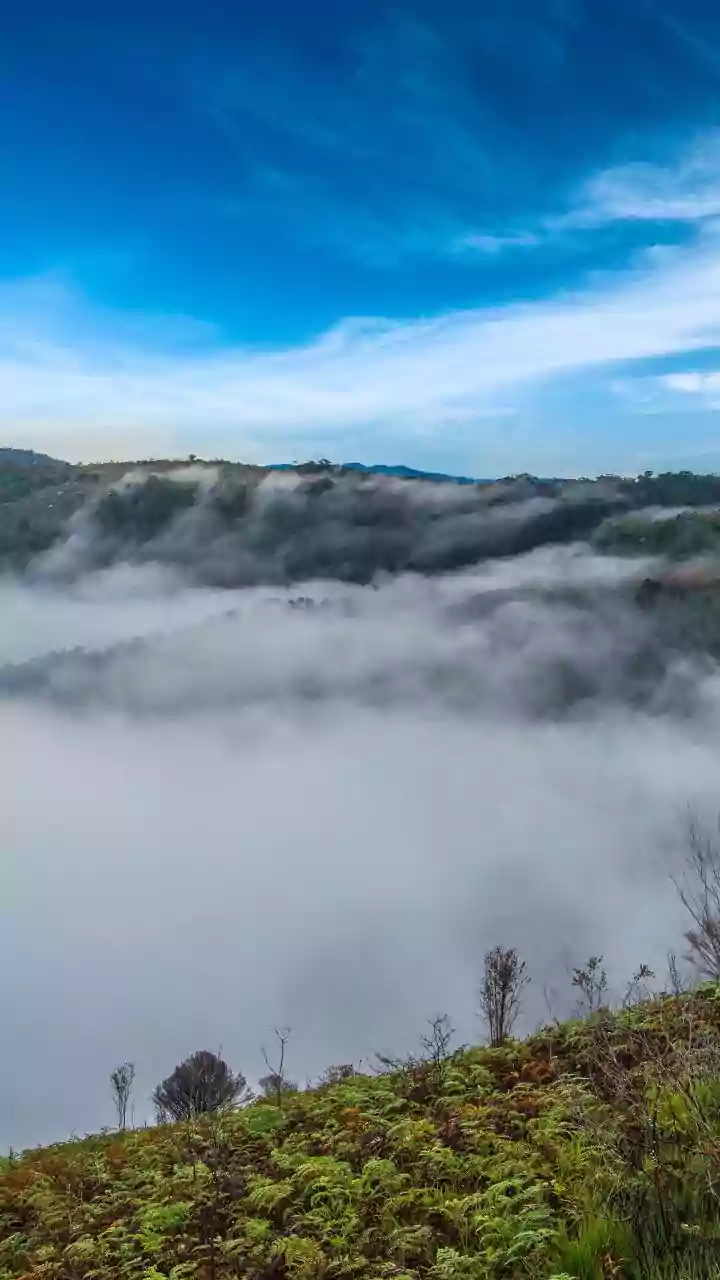
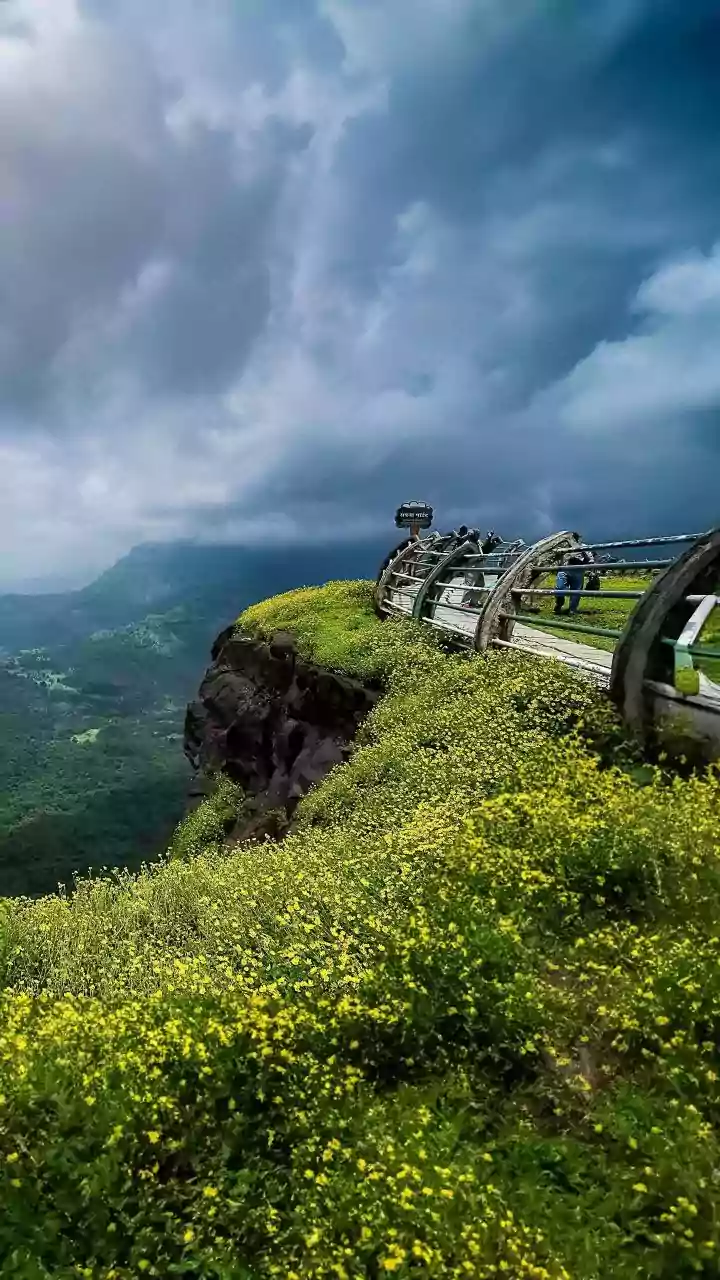
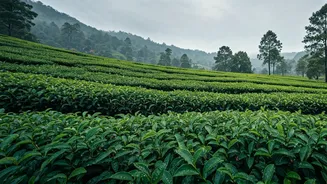
India’s monsoon is legendary, but most travelers only think of flooded cities or the tourist-heavy beaches of Goa. To see its magic, you have to go inland and upland. The Western Ghats, a mountain range running parallel to India's west coast, become a spectacle of green. Consider a trip to the hill stations of Maharashtra, like Lonavala or Malshej Ghat, where hundreds of waterfalls cascade down emerald cliffs. Or, venture into the less-traveled parts of Kerala. Skip the crowded backwater tours and find a quiet homestay in the tea plantations around Munnar or Wayanad. Here, you can spend your days reading on a veranda with a cup of chai, watching the mist roll through the hills, and taking walks through lush, dripping spice gardens when the rain subsides. It’s a contemplative, cozy experience that feels worlds away from the country’s chaotic energy.
Southeast Asia’s Quiet Temples
The wet season in Southeast Asia (roughly May to October) is a fantastic time to explore its cultural heartlands. While the southern Thai islands can be stormy, the north offers a different story. In northern Thailand, around Chiang Mai and Chiang Rai, the rice paddies turn a shocking, fluorescent green. The landscape is at its most beautiful, and the ancient temples are blissfully quiet. Imagine having a corner of Cambodia’s Angkor Wat complex nearly to yourself, its ancient stones darkened by rain and reflecting in the surrounding moats, without the usual jostling crowds. The rain often comes in predictable afternoon bursts, giving you clear mornings for exploring and cozy afternoons for a cooking class or a traditional massage. The experience is more atmospheric and far more intimate.
How to Pack and Prepare
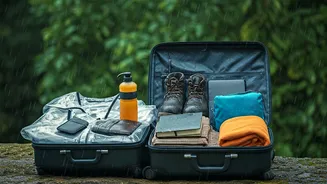
Traveling during a monsoon doesn’t require specialized gear, just smart choices. Prioritize quick-drying synthetic clothing over cotton, which stays wet and heavy. A lightweight, breathable rain jacket is essential, as is a waterproof bag or cover for your electronics and passport. Pack sturdy, closed-toe shoes with good grip for slippery paths. Most importantly, adopt a flexible mindset. A sudden downpour isn’t a reason to cancel your day; it’s an invitation to duck into a local café, strike up a conversation, or simply sit and watch the world get a much-needed drink. Check local weather reports for any serious storm warnings, be mindful that travel can be slower, and always have a backup plan. The goal isn't to defeat the rain, but to dance with it.