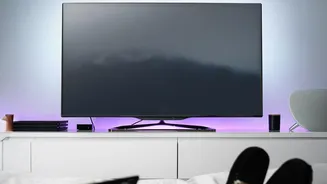







That final scroll through social media or one last episode has become a common bedtime ritual. But sleep specialists warn this habit can sabotage our rest. Here’s why, and what simple changes you can make to reclaim your sleep.
Why Your Screen Is a Sleep Thief
Before diving into solutions,
it helps to understand the problem. The issue with pre-bed screen time is twofold. First, there's the well-known culprit: blue light. The light emitted from smartphones, tablets, and laptops mimics daylight, tricking your brain into thinking it should be awake. This suppresses the production of melatonin, the crucial hormone that tells your body it's time to sleep. Studies show that even a short period of exposure can delay your body's natural sleep-wake cycle. The second issue is cognitive and emotional stimulation. Checking work emails, watching an action-packed show, or scrolling through heated social media debates keeps your brain on high alert. This state of arousal is the opposite of the calm, relaxed state needed to drift off into deep, restorative sleep.
Establish a Digital Curfew
The most effective habit, recommended by nearly all sleep experts, is to create a non-negotiable 'digital curfew'. This means turning off all electronic devices at least 30 to 60 minutes before you plan to sleep, with some specialists suggesting a 90-minute window for best results. One study found that even when pre-bed phone use suppressed melatonin, a 60-minute gap between stopping device use and going to bed allowed the hormone to partially recover, protecting sleep quality. Set an alarm on your phone—not to wake you up, but to remind you it's time to power down for the night. Treat this curfew as a firm appointment with yourself for better health.
Make Your Bedroom a Tech-Free Zone
Out of sight, out of mind. The simple act of removing temptation can be incredibly powerful. Sleep specialists advise making your bedroom a screen-free sanctuary, used only for sleep and intimacy. Instead of charging your phone on your bedside table, create a designated charging station in another room, like the kitchen or living room. This physically separates you from the device, making it impossible to mindlessly reach for it in the middle of the night or as soon as you wake up. If you rely on your phone as an alarm, invest in a simple, inexpensive alarm clock. This single change drastically reduces the likelihood of late-night scrolling.
Swap Your Screen for a Soothing Ritual
The hour before bed shouldn't be a void; it should be filled with a calming winddown routine that signals to your body that it's time to rest. Instead of consuming stimulating digital content, replace it with an analogue activity. Ideas include reading a physical book or magazine, listening to a calming podcast or audiobook, or gentle stretching. Other proven relaxation techniques include taking a warm bath, which can help lower your body temperature afterward to promote sleep, or journaling to clear your mind of the day's worries. The key is to find a predictable, relaxing sequence of events that you enjoy and can stick with consistently.
Use Technology to Fight Technology
If you absolutely must use your device before bed, you can take steps to mitigate the harm. Most smartphones and computers have a 'night mode' or 'blue light filter' that shifts the screen's colour to a warmer, amber tone. While not a perfect solution, this can reduce the amount of stimulating blue light your eyes are exposed to. You can also turn off all push notifications or use a 'Do Not Disturb' mode to avoid being pulled back in by alerts. For a more proactive approach, consider using apps that help you fall asleep with guided meditations, calming sounds, or bedtime stories, turning your device from a distraction into a sleep aid.