






The Right Wardrobe for Wet Weather
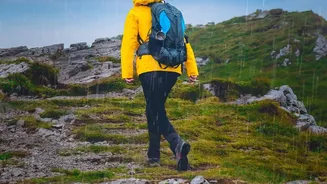
The foundation of any monsoon packing list is clothing that handles moisture well. Heavy fabrics like denim and thick cotton are a traveller's worst enemy in high humidity, as they take days to dry and become uncomfortable. Instead, prioritise lightweight,
synthetic fabrics like polyester and nylon blends. These materials dry quickly, often overnight in a hotel room, allowing you to wash and re-wear them easily. A packable, hooded rain jacket or poncho is non-negotiable, offering crucial protection during sudden showers. For footwear, leave the fancy shoes at home. Opt for waterproof sandals with a good grip or rubber floaters that can handle wet, slippery streets and muddy trails. It's also wise to pack an extra pair of dry shoes for evenings or indoor use.
Protecting Your Digital Lifeline
In the digital age, your phone, camera, and power bank are essential travel tools. They are also the most vulnerable to water damage during the monsoon. The simplest and most effective defence is a set of high-quality waterproof pouches or dry bags. You can find affordable zip-lock style bags specifically for phones, which allow you to use the touchscreen even when it's sealed inside. For added security, especially during heavy downpours or while crossing water bodies, consider double-layering by placing electronics in individual pouches before storing them in a waterproof backpack or a bag with a rain cover. A power bank is another critical item, as power cuts can be more frequent during stormy weather. Ensure it’s fully charged before you leave.
Your Monsoon-Specific Health Kit
Health preparedness is crucial during the monsoon, a season known for an increase in water-borne and mosquito-borne illnesses. Your first-aid kit should be tailored to these specific risks. Include a strong insect repellent containing DEET to protect against mosquitoes that can carry diseases like dengue and malaria. Antifungal powder or cream is also a smart addition to combat skin issues caused by prolonged dampness. Pack basic medications for common ailments like fever, stomach upsets, and coughs. Rehydration salts (ORS) are lightweight and essential for battling dehydration caused by humidity and potential stomach bugs. Finally, always carry a hand sanitiser and stick to bottled or purified water to avoid contamination.
Preparing for Unexpected Delays and Disruptions
The monsoon's biggest challenge isn't just the rain itself, but the disruptions it can cause. Landslides, flash floods, and waterlogged roads can lead to long delays or route changes, especially in hilly or coastal regions. Be prepared for the unexpected. Store all your important documents—passport, ID, tickets, and hotel bookings—in a waterproof document sleeve. It's also wise to have digital copies saved offline on your phone. Speaking of which, download offline maps of your destination, as connectivity can be patchy. Heavy rains can sometimes lead to getting stuck, so packing some non-perishable snacks like protein bars or nuts is a good idea. Lastly, always carry some extra cash, as ATMs may be inaccessible or out of service during power outages.
Small Items That Make a Big Difference
Beyond the major categories, a few small items can significantly improve your comfort and convenience. A quick-drying microfibre towel is a must-have; it's compact, absorbent, and dries much faster than a standard cotton towel. A small, waterproof flashlight can be a lifesaver during unexpected power cuts at night. To combat the pervasive dampness that can make everything feel musty, throw a few silica gel packets into your main luggage and electronics bag to absorb excess moisture. Finally, an extra waterproof bag or even a few large zip-lock bags are incredibly useful for isolating wet or muddy clothes and shoes from the rest of your clean, dry belongings.