



The Ultimate Delivery Problem
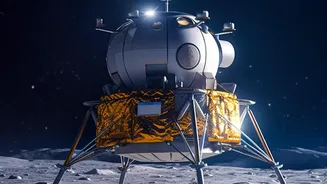
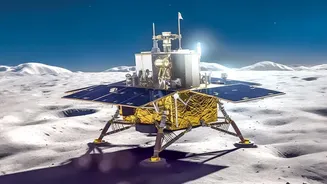
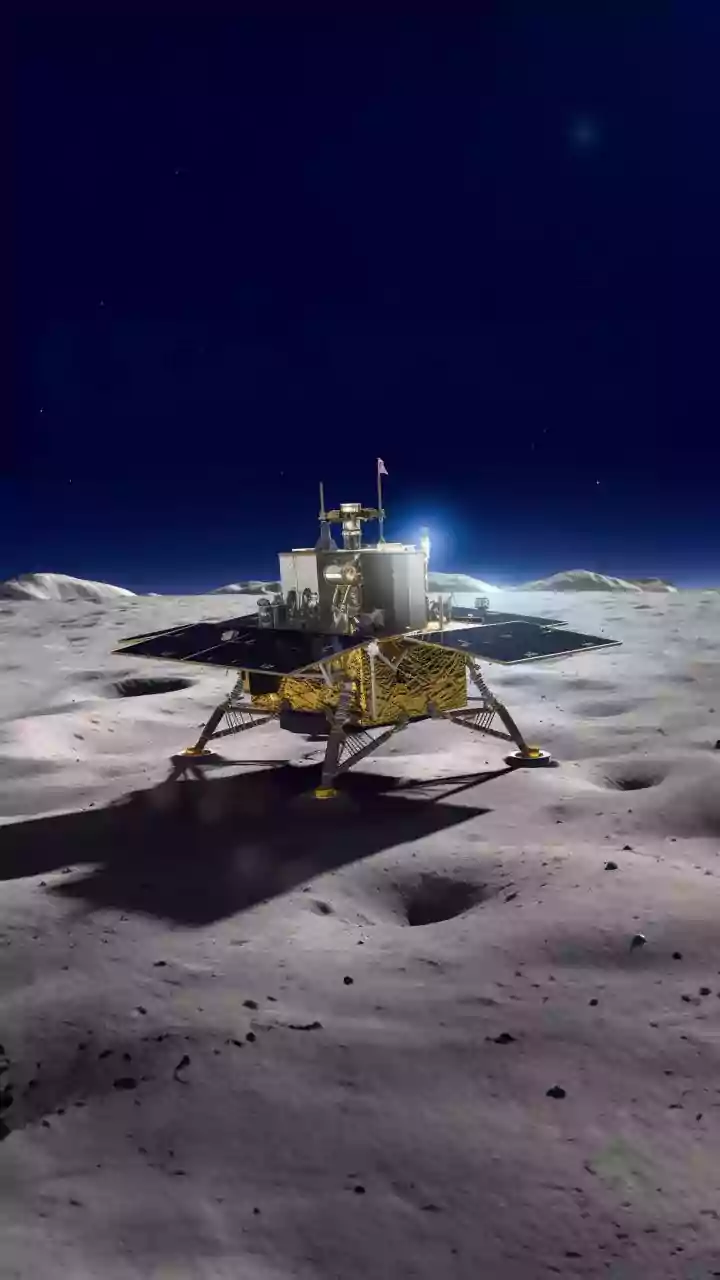
Landing on the Moon is not like landing an airplane. With virtually no atmosphere, there's no air to push against for braking with parachutes or wings. A lander must rely entirely on its engines, firing them with incredible precision to slow down from
orbital speeds of over 6,000 km/h to a gentle touchdown. This process is a delicate, automated ballet of sensors and thrusters. A miscalculation by a fraction of a second or a single engine failure can mean the difference between a successful delivery and a new, unintended crater on the lunar surface. Recent missions from private companies have highlighted these risks, demonstrating that even with modern technology, a soft landing is never guaranteed.
The Menace of Moon Dust
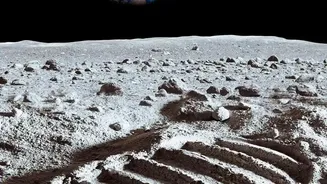
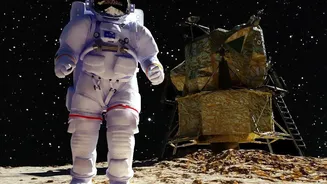
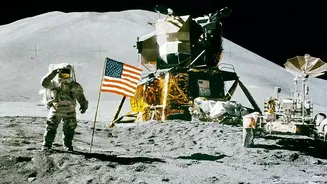
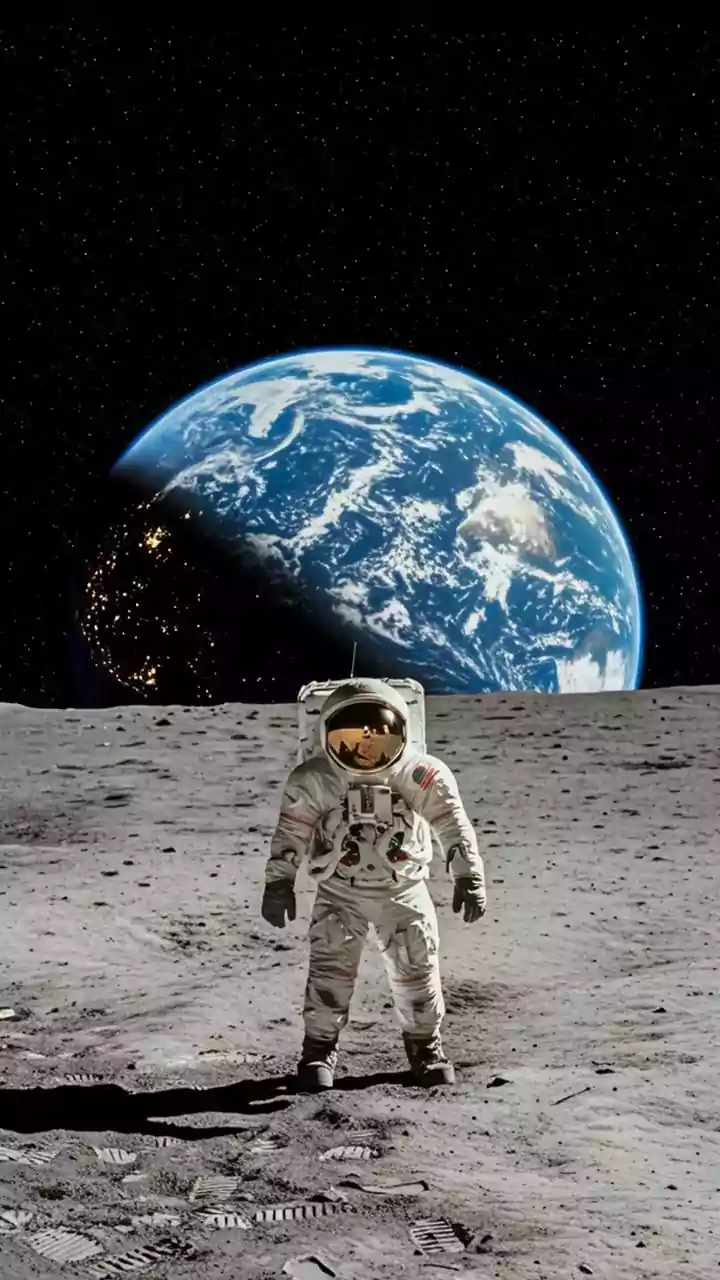
The lunar surface is covered in a material called regolith, a blanket of fine, sharp, and electrostatically charged dust. This isn't like household dust; it's more like microscopic shards of glass. During a landing, a lander's engines kick up this regolith at high velocity, creating a sandblasting effect that can damage not only the lander itself but any nearby equipment or previously established structures. Once on the surface, this abrasive dust clings to everything, from solar panels and scientific instruments to the seals on containers and spacesuits. During the Apollo missions, astronauts found that the dust wore through layers of their suits, clogged mechanisms, and caused equipment to overheat. For a long-term outpost, where hardware must function for years, mitigating the damage from this pervasive dust is a monumental engineering challenge.
No Room for Cascading Failures
Unlike resupply missions to the International Space Station, a trip to the Moon is a multi-day journey with no quick turnaround. An outpost's construction and survival depend on a steady chain of successful cargo deliveries. The cargo isn't just food and water; it includes massive, irreplaceable items like habitat modules, power systems, communication relays, and rovers. A single failed landing could mean the loss of a multi-billion dollar habitat or the only power plant scheduled to arrive that year. Such a loss would create a domino effect, delaying the entire construction timeline and jeopardizing the viability of the outpost and the safety of its future inhabitants. There is no roadside assistance on the Moon; every component must arrive intact.
Precision Parking for Heavy Haulers
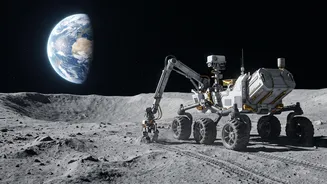
A lunar base won't be built in a wide, flat parking lot. The most scientifically interesting and resource-rich locations, particularly near the South Pole where water ice is believed to be trapped in craters, are often rugged and hazardous. Cargo landers must not only land softly but also with pinpoint accuracy, avoiding slopes, boulders, and deep shadows. Future outposts will need thousands of kilograms of supplies and equipment delivered annually. This requires landing very large payloads—some weighing up to 15,000 kg, the equivalent of a city bus—within walking distance of the base. After landing, the cargo must be offloaded and transported across the surface, another complex process that must be performed remotely or by robots before crews arrive.
Paving the Way with Robotic Scouts
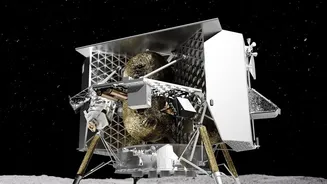
Recognizing these challenges, space agencies like NASA are taking an iterative approach. Through its Commercial Lunar Payload Services (CLPS) program, NASA is partnering with commercial companies to send a series of smaller, more frequent robotic landers to the Moon. These missions serve as crucial pathfinders, testing landing technologies, studying the lunar environment, and delivering initial science payloads. This strategy allows for more risk tolerance; if one of these smaller landers fails, the financial loss and programmatic delay are far less severe than losing a flagship human-rated system. These robotic scouts are mapping the terrain and demonstrating the capabilities needed to build a reliable delivery service, ensuring that when the large, critical components for the Artemis Base Camp are sent, the path will have been tested.