




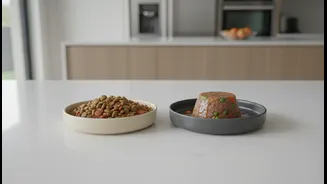



Decoding 'Premium' on the Label
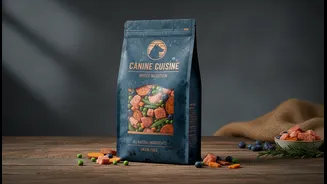
The term 'premium' on pet food packaging is often a marketing decision, not a regulated standard. Generally, these foods boast high-quality, named meat sources like 'fresh chicken' as the first ingredient, rather than vague 'meat by-products'. They also
tend to avoid cheaper fillers like corn and soy. However, a high price doesn't always guarantee superior nutrition. Sometimes, you're paying for glossy packaging or tiny amounts of trendy-sounding ingredients like berries or special oils that don't significantly boost the food's core nutritional value. The key is to look for a statement that the food is 'nutritionally complete' and meets the standards set by an official body like the Association of American Feed Control Officials (AAFCO).
Your Vet Is Your Best Resource
Before you spend a fortune, have a conversation with your veterinarian. They can help you understand your pet's specific nutritional needs based on their age, breed, size, and health status. Not every pet requires the most expensive food on the shelf. Your vet can recommend brands that offer a good balance of quality and value, and may even have samples for your pet to try. This expert guidance is the best way to ensure you're spending money on ingredients that will genuinely benefit your pet's health, potentially saving you from costly vet bills for diet-related issues down the line.
Become a Savvy Shopper
Once you know what to look for, it's time to find the best price. Buying in bulk is a classic way to save, as the cost per kilogram on a large bag is almost always lower than on a small one. Just be sure to check the expiry date and store the food in an airtight container to maintain freshness. Also, keep an eye out for sales and sign up for loyalty programs at your local pet store, which can offer points or exclusive discounts. Online retailers often have 'subscribe and save' options that provide a consistent discount on recurring deliveries, which is both convenient and economical.
The Mix-and-Match Method
You don't always have to choose just one food. A 'halfsies' approach can be very effective. Consider using a premium, nutrient-dense kibble as a base and supplementing it with other healthy additions. This could mean mixing it with a slightly more affordable (but still good quality) brand or adding small amounts of vet-approved whole foods like cooked eggs, shredded chicken, or sweet potato. This strategy boosts the nutritional value and flavour of their meals without committing to a diet composed entirely of the most expensive option. This can be especially useful for larger breeds where food costs add up quickly.
Control Portions and Rethink Treats
Overfeeding is not only bad for your pet's health, but it's also a waste of money. Follow the feeding guidelines on the packaging and adjust based on your pet's activity level and body condition. Remember that higher-quality foods are often more nutrient-dense, meaning your pet might need smaller portions than with a budget brand. You can also cut costs by being smart about treats. Instead of buying expensive packaged treats, consider using a portion of their regular kibble for training rewards. You can also make your own simple treats at home or offer small pieces of pet-safe vegetables like carrots.