



The August Advantage: Clear Skies and Open Roads
August is peak season in Ladakh for a reason. The region sits in a rain shadow, meaning the heavy monsoons that drench much of India don't reach this cold desert. This results in pleasant daytime temperatures, typically ranging from 15°C to 25°C in Leh,
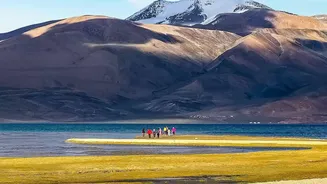
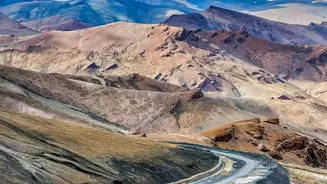
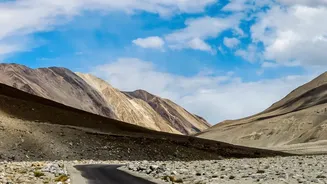
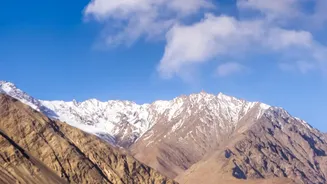
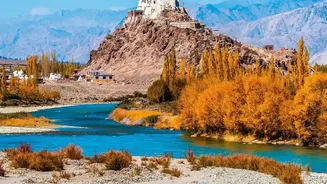
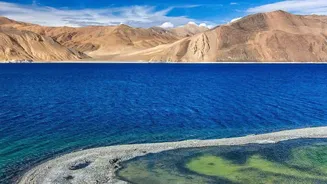
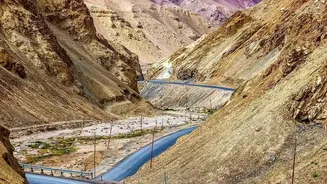
with plenty of sunshine. Both major road arteries, the Srinagar-Leh and Manali-Leh highways, are generally open, as are the internal routes to popular destinations like Nubra Valley, Pangong Tso, and Tso Moriri. This makes it one of the most reliable months for travelers wanting to experience Ladakh's iconic landscapes, from the vibrant blue lakes to its dramatic mountain passes. All hotels, guesthouses, and tour operators are fully operational, ensuring a smooth logistical experience once you arrive.
The Golden Rule: Acclimatize Before You Explore
The single most important part of any Ladakh trip is acclimatization. Leh is situated at an altitude of over 11,000 feet, where oxygen levels are significantly lower than at sea level. Arriving by flight means a rapid altitude gain that your body needs time to adjust to. Ignoring this can lead to Acute Mountain Sickness (AMS), with symptoms like headaches, dizziness, and nausea that can ruin a trip. The rule is non-negotiable: spend the first 24 to 48 hours in Leh with minimal physical exertion. This means no immediate sightseeing or rushing off to higher altitudes. Drink plenty of water (3-4 litres daily), eat light meals, and allow your body to rest. Only after two days of proper rest should you plan excursions to higher passes like Khardung La or lakes like Pangong Tso.
Navigating the Highways: A Word of Caution
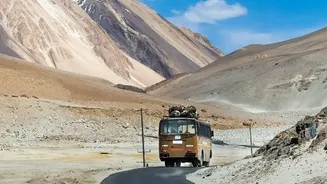
While Ladakh itself is dry, the approach roads pass through regions that do experience heavy monsoon rains. Both the Manali-Leh and Srinagar-Leh highways can be prone to landslides, slush, and temporary blockades in August. If you are planning a road trip, it's crucial to build buffer days into your itinerary to account for potential delays. Conditions can change rapidly, so checking the latest road status from official sources like the Leh administration's website is advisable. For many travelers, especially first-timers or those on a tight schedule, flying into Leh is the more predictable and safer option, bypassing the uncertainties of the monsoon-affected highways.
Packing Smart: Layers and Sun Protection
Packing for Ladakh in August is all about layering. The temperature can swing dramatically from a warm, sunny afternoon to a cold evening. Your packing list should include regular t-shirts, a mid-layer fleece, and a windproof outer jacket. Nights, especially near high-altitude lakes like Pangong and Tso Moriri, can get chilly, so light woolens and thermals are essential. The sun's UV rays are incredibly intense at high altitudes, even on cloudy days. A high-SPF sunscreen (SPF 50+), UV-blocking sunglasses, a wide-brimmed hat, and lip balm are non-negotiable to prevent severe sunburn. Sturdy, comfortable walking shoes with good grip are also a must for navigating uneven terrain at monasteries and viewpoints.
Permits and Paperwork: Accessing Restricted Areas
To visit many of Ladakh’s most famous sights, including Nubra Valley, Pangong Tso, and Tso Moriri, Indian tourists need to obtain an Inner Line Permit (ILP). This permit can be applied for online through the Leh administration's official portal or obtained via a travel agent in Leh. You will need a valid government-issued photo ID like an Aadhaar card or driver's license. While the online application is convenient, you will still need to get the permit stamped and pay the requisite fees (which include an environment fee) in Leh. It's recommended to carry multiple photocopies of your permit and ID, as you will need to submit them at various military checkpoints en route to these protected areas.