



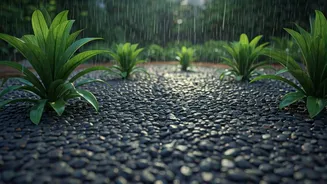


The Science of a Drowned Plant
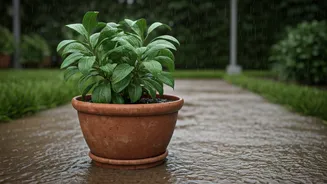
It seems counterintuitive, but a plant can drown in a pot full of wet soil. Plant roots don't just absorb water; they also need to breathe. They take in oxygen from the tiny air pockets within the soil. During a heavy monsoon shower, these air pockets can get
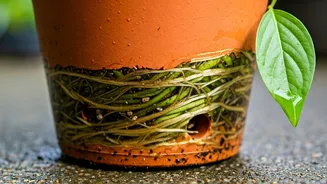
completely filled with water. When soil remains waterlogged for an extended period, roots are starved of oxygen and begin to suffocate. This condition, known as root rot, is a plant killer. The roots turn brown, mushy, and start to decay. Above ground, the plant may look thirsty—with wilting, yellowing leaves—leading you to mistakenly water it even more. This is the primary reason why so many balcony and terrace gardens fail during the rains, despite the abundance of water.
Assess Your Containers and Pots
Your first line of defence is the container itself. Before planting, turn your pot upside down. Does it have at least one large drainage hole, or several smaller ones? If not, you must create them. For plastic pots, a heated screwdriver or a drill bit works well. For terracotta or ceramic pots, a specialised drill bit is needed. A single, tiny hole is often not enough to handle the deluge of a monsoon downpour. Next, resist the old, misguided advice to line the bottom of your pot with gravel or broken pot shards. This creates a 'perched water table,' where water actually sits in the soil just above the gravel layer, keeping the roots wet. Instead, a piece of mesh or a coffee filter over the hole is sufficient to prevent soil from washing out while allowing water to drain freely.
Crafting the Perfect Potting Mix
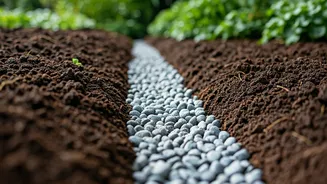
Standard garden soil is often too dense for containers. It compacts easily, squeezing out air and holding onto excess water. Your goal is to create a potting medium that is light, airy, and drains quickly. A good basic formula for most monsoon plants is one part soil, one part compost or vermicompost, and one part drainage-enhancing material. This third component is critical. Perlite, the small white volcanic rocks, is excellent for creating air pockets. Cocopeat (pith from coconut husks) is great at retaining some moisture without becoming waterlogged, but use it judiciously. Coarse sand can also be added to improve porosity. For plants that are particularly sensitive to wet feet, like succulents, you should increase the proportion of sand and perlite. This mix ensures that even after a heavy rain, the water flows through, leaving behind damp, not soggy, soil.
Elevate Your Garden's Health
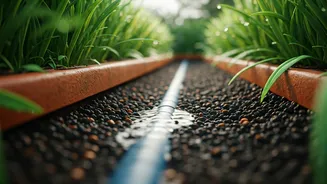
Even with perfect pots and soil, a planter sitting flush on a flat surface can have its drainage holes blocked. Elevate your pots. Use pot feet, bricks, or dedicated plant stands to lift them an inch or two off the ground. This simple step allows air to circulate underneath and ensures water can escape without obstruction. For garden beds, the principle is the same. If you have a patch of land that tends to get swampy, consider building raised beds. This lifts the root zone of your plants above the waterlogged ground. Amending the soil in your beds with plenty of organic matter like compost will also improve its structure and drainage over time. A well-draining garden is one where you see water soaking in quickly rather than pooling on the surface.
Now, The Pretty Plants
Once you’ve built this strong foundation, you can finally think about the plants. While good drainage is universally important, some plants are naturally more tolerant of the humid, wet conditions of the Indian monsoon. Consider native perennials that have adapted to this climate. Hibiscus, ixora, jasmine (mogra), and balsam are classic choices that thrive during this season. For ground cover, an option like the monsoon cassia (kasundi) can be beautiful. For your vegetable patch, gourds like lauki and karela, along with leafy greens like amaranth, do exceptionally well. By getting the drainage right first, you’ve given these beautiful monsoon plants the best possible chance to flourish, turning your garden into the verdant oasis you imagined.