




From Monuments to Moments
Not long ago, a successful holiday was measured by the number of famous sights crossed off a list. Today, that definition is changing. Indian travellers are showing a growing preference for experiences over itineraries. This isn't just about avoiding
crowds; it's a deliberate pivot towards meaningful engagement. Instead of a quick photo at a monument, they’re seeking to understand the story behind it, connect with the people who live in its shadow, and participate in the local rhythm of life. This trend, often called experiential travel, prioritises active participation over passive observation. Data shows a significant number of travellers, especially millennials and Gen Z, are planning trips around cultural events, local festivals, and unique activities rather than just destinations.
The Rise of 'Slow Travel'
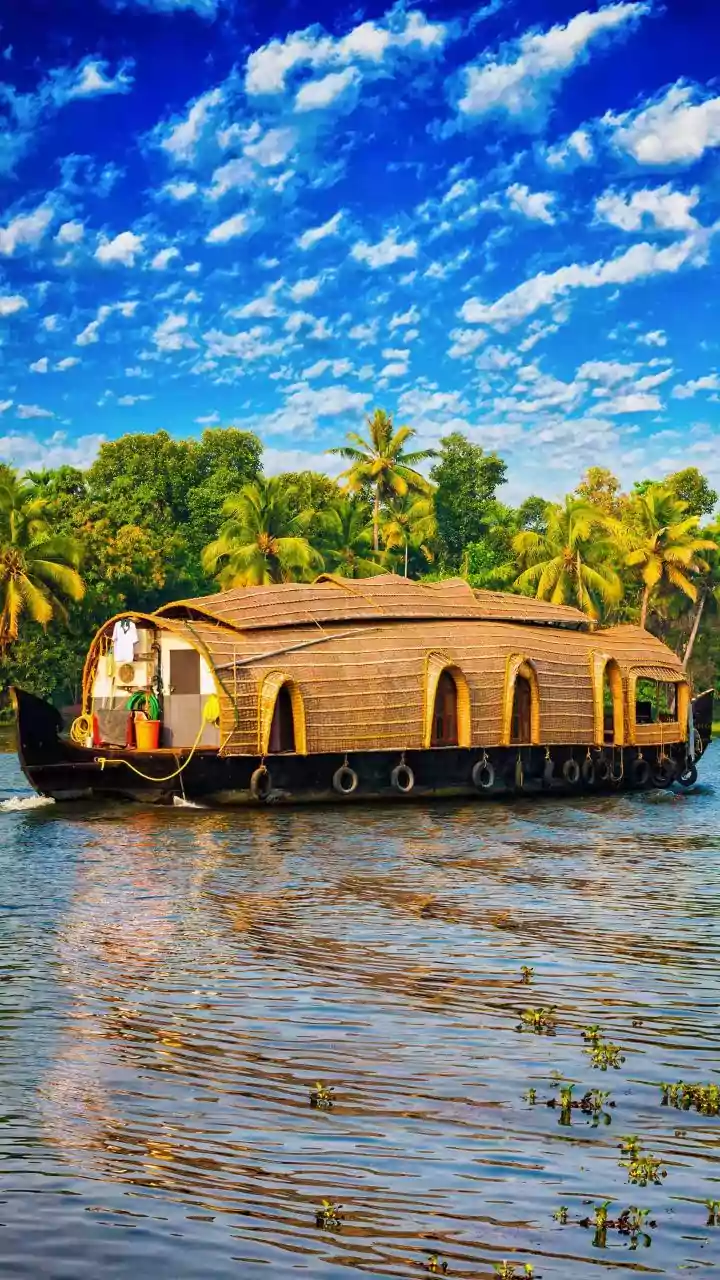
This search for depth has fuelled the rise of "slow travel." Instead of a whirlwind tour of five cities in seven days, travellers are opting to spend longer periods in a single location to soak in the atmosphere. This approach allows for a deeper cultural immersion, from exploring neighbourhood cafes to learning a local craft. The trend is visible in booking patterns, with a surge in demand for homestays and boutique properties in less-travelled regions. Destinations like the villages of Himachal Pradesh, the tea estates of Assam, and the serene backwaters of Kerala are becoming popular choices for those looking to disconnect from urban noise and reconnect with a place on a more personal level. Recent reports even highlight a sharp rise in searches for places like Jorhat in Assam, indicating a move towards quieter, week-long trips instead of short, hectic breaks.
What Does 'Deeper' Really Look Like?
So, what are these immersive experiences that travellers are craving? They are as diverse as India itself. It could mean participating in a cooking class in a local family's home, learning about royal traditions while staying in a heritage haveli, or taking a guided walk through a village to understand its way of life. It’s about joining a pottery workshop, taking a food tour through a city's hidden culinary gems, or attending a local music gathering. Festival tourism is another major draw, with travellers planning entire trips to witness events like the Durga Puja in Kolkata or the Hornbill Festival in Nagaland. The goal is to return home not just with photos, but with new knowledge and transformative stories.
Why Is This Happening Now?
Several factors are driving this shift. Post-pandemic, many travellers are rethinking their priorities, valuing relaxation and mental well-being over packed schedules. A recent survey found that for 67% of Indian respondents, relaxation was the main reason for travelling. There's also a reaction against "overtourism," where popular destinations become so crowded that their charm is lost. Social media, once a driver of bucket-list travel, is now also showcasing authentic, offbeat experiences, inspiring others to seek them out. Furthermore, with rising disposable incomes and better connectivity, travellers are more empowered to make independent and discerning choices, often prioritising unique activities over a hotel's star rating.
The Industry Takes Note
The travel industry is adapting to this new demand. Tour operators and platforms are increasingly curating personalised trips that focus on specific interests like food, wellness, or adventure. There is a growing emphasis on community-based tourism, which not only provides authentic experiences for travellers but also ensures that the economic benefits reach local families and artisans directly. From eco-lodges and farm stays to heritage properties offering cultural workshops, the accommodation sector is also evolving. This evolution signals that experiential travel is not a passing trend but a significant, long-term transformation in how Indians explore the world.