







The Search for Healthier Sips
The urban Indian consumer is increasingly wary of sugar. This growing health consciousness, spurred by rising awareness around wellness and lifestyle-related diseases, has led to a significant shift in beverage consumption. Sugary sodas and overly sweet
iced teas are losing their appeal, creating a market gap for alternatives that deliver on flavour without the guilt. Consumers are now actively seeking out drinks with shorter, cleaner ingredient lists and functional benefits, from immunity to gut health. This pivot towards 'mindful consumption' is not just a niche trend; it's a powerful market force reshaping menus across the country.
Enter Hibiscus and Kokum
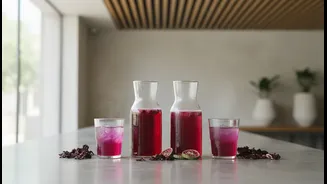
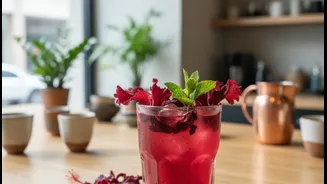
This is where traditional ingredients like hibiscus and kokum find their modern-day resurgence. Both are deeply rooted in Indian culinary and medicinal traditions. Kokum (Garcinia indica), native to the Western Ghats, is a well-known summer coolant and digestive aid. Hibiscus, or roselle, has been used in traditional medicine for centuries and is praised for being rich in antioxidants. For cafés, these ingredients are a goldmine. They offer complex, tangy flavour profiles that are genuinely refreshing. Their brilliant natural colours—a deep magenta from hibiscus and a rich purple from kokum—are visually stunning, making them highly shareable on social media. Crucially, their inherent tartness means they require very little added sugar to be palatable, fitting perfectly into the low-sugar framework that customers desire.
The Independent Café Advantage
While large chains are slowly adapting, independent cafés are the primary drivers of this trend. Their smaller scale gives them the agility to experiment with new recipes and source local ingredients more effectively. Free from the rigid supply chains and standardized menus of corporate giants, a local café owner can partner with regional suppliers for fresh kokum syrup or high-quality dried hibiscus flowers. This ability to innovate quickly allows them to cater directly to the evolving tastes of their clientele, building a loyal following. They can craft unique, seasonal menus that tell a story of local sourcing and authenticity, something that larger brands struggle to replicate.
More Than Just a Drink
Cashing in on this trend involves more than just adding a new item to the menu. Successful cafés are framing these drinks as part of a broader wellness lifestyle. Menus often highlight terms like 'antioxidant-rich', 'naturally cooling', 'low sugar', and 'caffeine-free' to appeal to the informed consumer. The drinks are presented not just as beverages but as functional tonics that offer a moment of healthy indulgence. This strategy helps differentiate them from standard café fare and justifies a premium price point, boosting profit margins. It transforms a simple drink order into a conscious health choice, aligning the café’s brand with the values of its target audience.
From Sourcing to Serving
The business model works because it creates a virtuous cycle. Cafés can often source these traditional ingredients more affordably than imported, trendy alternatives like matcha or yuzu, while still marketing them as premium, artisanal offerings. By making syrups and infusions in-house, they maintain control over quality and, most importantly, the sugar content. They can offer a authentically 'low-sugar' product, rather than one simply sweetened with artificial substitutes. This hands-on approach builds a narrative of craftsmanship and care that resonates deeply with customers who are tired of mass-produced products and want to know where their food comes from.