



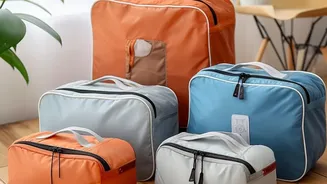
The dream is a week away with just a carry-on. The reality is often a heavy, overstuffed suitcase. The secret isn't packing less; it's packing smarter. By choosing the right fabrics and mastering layering, you can travel light and stay stylish.
The Freedom of Packing Light
Leaving
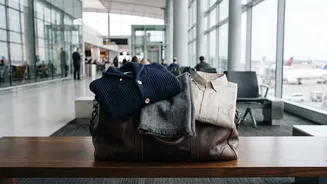
the large suitcase behind is about more than just avoiding baggage fees. It offers unparalleled freedom. Navigating crowded train stations, climbing hotel stairs, and hopping on a bus become effortless without a heavy bag weighing you down. With less to manage, you reduce travel stress and the risk of losing items. This minimalist approach lets you move with greater ease and flexibility, allowing you to focus on the experience rather than your belongings. Ultimately, packing light means more mobility and more time enjoying your destination.
Decoding Smart Fabrics
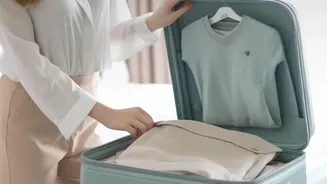
The foundation of a light suitcase is a small collection of high-performing clothes. Smart fabrics are your best friend here. Look for materials known for being wrinkle-resistant, moisture-wicking, quick-drying, and breathable. Merino wool is a top contender; it’s a natural fiber that regulates temperature, resists odor even after multiple wears, and is surprisingly lightweight. Another excellent choice is Tencel (also known as lyocell), a fiber made from wood pulp that is exceptionally soft, breathable, and drapes beautifully. Blends of these materials with synthetics like nylon or elastane often provide the perfect mix of comfort, durability, and stretch. Choosing these fabrics means you can wash items in a hotel sink and have them dry overnight, allowing you to pack far less.
The Art of Strategic Layering
Layering is the key to creating multiple outfits from a few core pieces and adapting to any weather. The system is simple and consists of three parts. Your base layer sits against your skin and should be thin and moisture-wicking. Think lightweight tees or long-sleeved tops in fabrics like a merino-Tencel blend. Your mid-layer provides insulation; this can be a fleece, a cashmere cardigan, or a wool sweater. Finally, your outer layer, or shell, protects you from wind and rain. A packable, waterproof jacket is often the most versatile choice. The beauty of this system is its adaptability—wear the base layer on its own in the heat, add the mid_layer when it gets cool, and top with the outer shell when the weather turns.
Building Your 7_Day Capsule Wardrobe
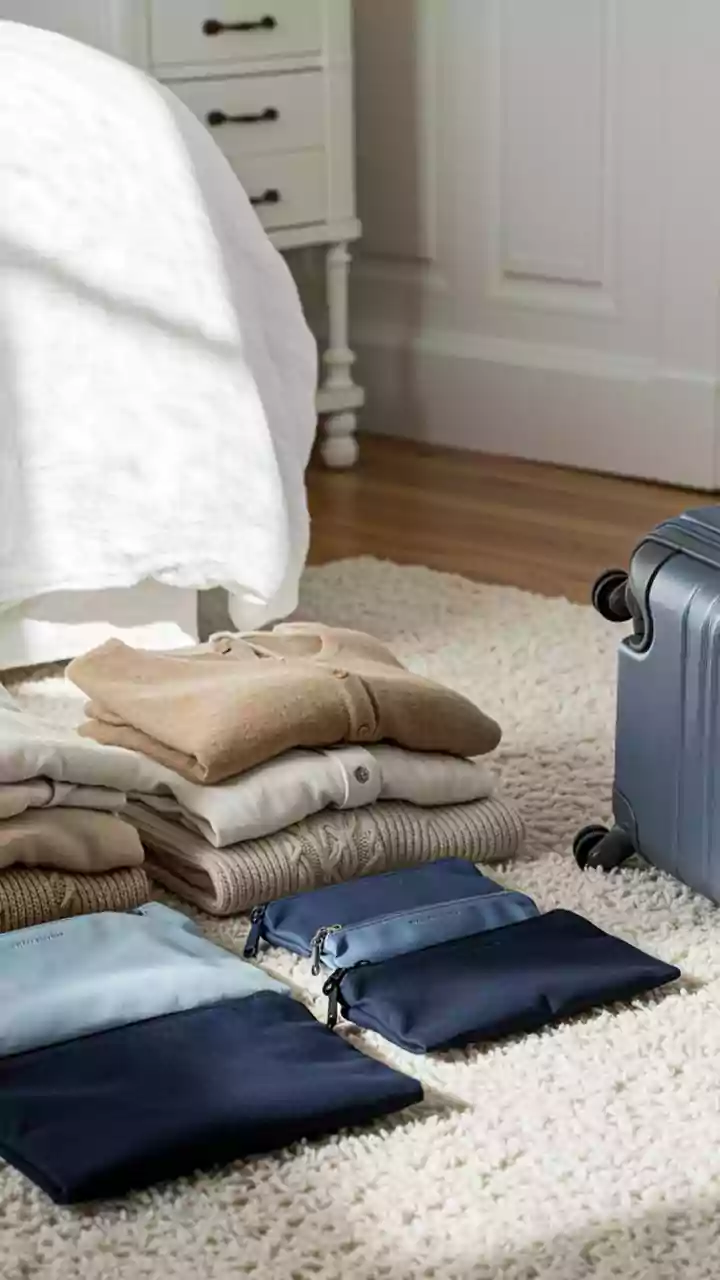
A capsule wardrobe is a small collection of items that can be easily mixed and matched. For a seven_day trip, a simple formula works wonders. Start with a neutral color palette like black, navy, or tan for your core items, and add pops of color with tops and accessories. A reliable packing list includes: two to three bottoms (like versatile trousers or a skirt), four to five tops that work with all your bottoms, one mid_layer (like a sweater), and one outer layer jacket. This combination allows for enough variety to create a different look each day without repeating an exact outfit. For evenings or special occasions, a simple dress or a smart shirt_jacket can be included if it can also be worn in other combinations.
Choosing Shoes and Accessories
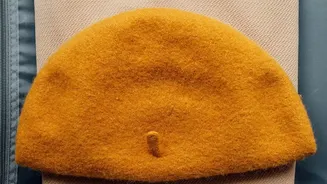
Footwear is often the bulkiest item, so choose wisely. Limit yourself to two, or at most three, pairs of shoes. Wear the heaviest pair on the plane. A comfortable pair for walking is non_negotiable. The second pair should be versatile enough for evenings out or different types of activities. Make sure both are well_worn and comfortable. Accessories are a light packer’s secret weapon. A large, colourful scarf can act as a wrap, a head covering, or simply an outfit booster without taking up much space. Simple jewellery can also elevate a basic top for a more formal look. These small additions provide maximum style with minimum bulk.