




The Universe Inside Us
Often called our 'second brain' or a 'virtual organ,' the human gut microbiome is a complex ecosystem of trillions of bacteria, viruses, and fungi. On Earth, this inner world plays a vital role in everything from digesting food and producing essential
vitamins to regulating our immune system, metabolism, and even our mood. A diverse and balanced microbiome is a cornerstone of good health. But when this delicate balance is thrown off—a state known as dysbiosis—it can contribute to a wide range of issues, from gastrointestinal distress to chronic diseases. Now, as we plan for missions that will take humans farther from Earth than ever before, the health of this internal ecosystem has become a paramount concern.
What Space Does to the Gut
The environment of space is profoundly disruptive to the human body, and the gut is no exception. Astronauts face a barrage of stressors unseen on Earth: microgravity, cosmic radiation, altered sleep cycles, confinement, and a diet of pre-packaged foods. Research from the International Space Station (ISS) and analogue missions on Earth shows these factors significantly alter the gut microbiome. Studies have found that spaceflight can reduce the diversity of gut microbes, decrease the abundance of beneficial bacteria like Bifidobacterium, and increase bacteria associated with inflammation. One of the most common complaints is constipation. Recent research suggests microgravity slows the movement of food through the digestive tract. This allows gut microbes to completely break down available fiber and switch to fermenting protein, a process that slows bowel movements and can lead to inflammation.
The High Stakes of a Mars Mission
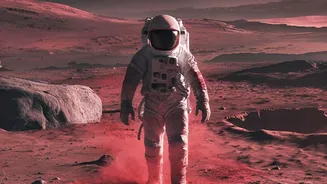
For a short stay on the ISS, these changes are manageable, often reversing after returning to Earth. But on a multi-year mission to Mars, the consequences could be severe. A persistently unhealthy gut could weaken an astronaut's immune system, making them more susceptible to infections from latent viruses that can reactivate during spaceflight. It could exacerbate bone density loss and muscle atrophy, two of the most well-known effects of long-term space travel. Furthermore, the gut-brain axis—the communication link between our digestive system and our brain—means that an imbalanced microbiome could impact cognitive function and mental health, affecting mood, stress levels, and performance at critical moments. Simply put, a healthy gut is mission-critical for keeping astronauts physically and mentally resilient enough for the grueling journey to Mars and back.
Engineering a Healthier Space Gut
Recognising this challenge, scientists are actively working on countermeasures that could shape everything from diet to daily routines on a Mars-bound spacecraft. The most promising strategies focus on nutrition and targeted supplements. Mission planners are exploring personalised diets rich in fiber and 'slow-fermented carbohydrates' like vegetables and nuts to keep gut bacteria properly fed. Another key area of research is the use of probiotics (beneficial live bacteria) and prebiotics (the fibres that feed them). Studies are underway to identify specific probiotic strains, such as Lactobacillus and Bifidobacterium, that are stable enough for long missions and can help maintain gut balance, reduce inflammation, and support the immune system. These could be delivered as supplements or integrated into the food astronauts eat, potentially grown right on the spacecraft.