







The One-Size-Fits-None Policy
In India, pulses are more than just a food group; they are a critical source of protein and a livelihood for millions of farmers. Yet, government policies often apply a broad brush to this diverse category. Measures like stock limits, import tariffs,
and even Minimum Support Prices (MSP) are frequently implemented without accounting for the distinct characteristics of each pulse. For example, a recent government order imposed stock limits on tur (pigeon pea) and chana (chickpea) to prevent hoarding and control prices. While intended to protect consumers, such abrupt, uniform measures can disrupt the entire supply chain, from farmers to importers and millers, who all operate on different cycles and scales depending on the crop. This approach ignores the fundamental differences in how these commodities are grown, traded, and consumed.
Lentils: The Import Conundrum
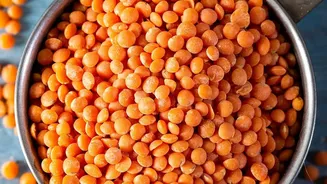
Lentils (masoor) are a prime example of a pulse heavily influenced by international markets. India is a major consumer but also a significant importer of lentils, primarily from countries like Canada and Australia. Policy decisions on import tariffs for lentils have a direct and immediate impact on domestic availability and price. A sudden hike in tariffs can slow down imports, creating a supply crunch and raising prices for consumers. Conversely, allowing duty-free imports to curb inflation can cause domestic prices to crash just as local farmers are ready to sell their harvest, disincentivizing them from planting the crop in the next season. Furthermore, lentils are often seen as a substitute for pricier pulses like tur, meaning their price and availability have a ripple effect across the entire protein market. This reliance on imports and price sensitivity makes lentils a poor fit for the same policy framework designed for a domestically-dominated crop like chana.
Chickpeas: A Domestic Powerhouse with Unique Pressures
Chickpeas (chana) are the largest and most widely consumed pulse in India, making them a cornerstone of domestic food security. Unlike lentils, India is the world's largest producer of chickpeas. The policy challenges here are different. The main issue for chana farmers is not import competition but ensuring effective MSP procurement. While the government announces an MSP, procurement by state agencies is often weak or inconsistent, forcing many farmers to sell to private traders at lower prices. A bumper crop can lead to a supply glut, and without robust procurement, market prices can fall below the MSP, hurting farmer incomes. Policies like stock limits on chana are designed to stop traders from hoarding, but they can also deter investment in essential infrastructure like warehousing and processing, which are crucial for managing large domestic harvests.
Beans and Other Pulses: A Tale of Regional Diversity
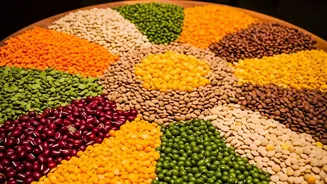
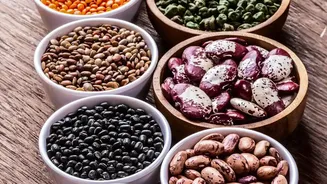
Beyond the big players, India's pulse basket includes a wide variety of beans and other legumes like moong (green gram), urad (black gram), and rajma (kidney beans). These pulses have strong regional consumption patterns. For instance, kidney beans are a staple in northern India, while other beans are preferred elsewhere. Their cultivation is often localised, and they are grown in different seasons—some are kharif (monsoon) crops, while others are rabi (winter) crops. A single policy cannot capture this complexity. For example, moong is a short-duration crop that can be grown multiple times a year, giving it a different risk and return profile compared to tur, which has a much longer growing cycle. Lumping these diverse crops under one umbrella for policy-making purposes ignores their unique agronomic needs, market cycles, and regional importance, ultimately failing to provide targeted support where it is most needed.