



Understanding Your Skin Barrier
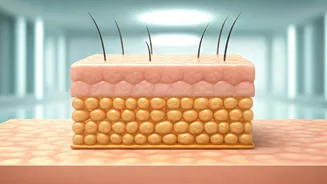
Before we can protect it, we need to understand what the skin barrier is. Think of it as a brick wall. The 'bricks' are your skin cells (corneocytes), and the 'mortar' holding them together is a mix of natural lipids like ceramides, cholesterol, and fatty
acids. This outermost layer, called the stratum corneum, has two vital jobs: keeping good things like water in, and keeping bad things like pollutants, irritants, and bacteria out. When this barrier is healthy, your skin looks plump, hydrated, and calm. When it's compromised, it can lead to dryness, sensitivity, redness, and breakouts.
The Monsoon's Attack Strategy
It seems logical to think that high humidity would mean more hydrated skin, but the reality is more complex. The constant moisture in the air can actually disrupt your skin's natural balance. The high humidity signals your skin to produce less of its own natural oils, which can paradoxically weaken the lipid mortar of your skin barrier. Furthermore, the damp, warm environment is a perfect breeding ground for bacteria and fungi, leading to increased acne and infections. Sweat, oil, and environmental pollutants get trapped on the skin's surface, clogging pores and causing inflammation. This combination of factors puts your skin barrier under constant stress.
Cleanse Gently, But Effectively
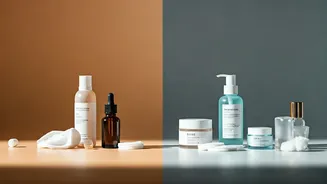
During the monsoon, your skin can feel greasy and grimy, making it tempting to use harsh, stripping cleansers that leave your face feeling 'squeaky clean.' This is one of the biggest mistakes you can make, as it strips away the essential lipids that form your skin barrier. Instead, opt for a gentle, pH-balanced cleanser that removes dirt and excess oil without compromising your skin’s defences. Consider double cleansing in the evening—starting with an oil-based cleanser to dissolve makeup and sunscreen, followed by a mild gel or foam cleanser. This ensures a thorough clean that respects your skin barrier.
Strengthen with Serums
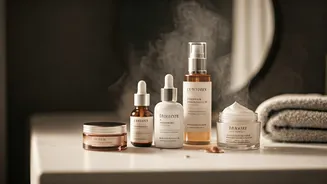
This is where you can target specific monsoon-related concerns. Incorporating a well-formulated serum can make a significant difference. Look for ingredients that repair and support the skin barrier. Niacinamide is a monsoon superstar; it helps regulate oil production, reduces inflammation, and improves barrier function. Hyaluronic acid is excellent for providing lightweight hydration without feeling heavy or greasy. Antioxidant serums containing Vitamin C can help protect your skin from the environmental damage caused by pollutants that are more prevalent in the humid air.
The Right Moisturiser is Non-Negotiable
Skipping moisturiser because your skin feels oily is a common error that only makes things worse. When you don't provide external hydration, your already-stressed skin may overcompensate by producing even more oil. The key is to switch from heavy, creamy moisturisers to lightweight, non-comedogenic (won't clog pores) formulas. Gel-based or lotion-based moisturisers are ideal for the monsoon. Look for products containing ceramides to actively replenish the 'mortar' of your skin barrier, along with humectants like glycerin and hyaluronic acid to draw in and retain moisture.
Don’t Let the Clouds Fool You
Finally, never skip sunscreen. The overcast sky can be deceptive, but up to 80% of the sun's harmful UV rays can penetrate through the clouds. Sun damage is a major cause of a weakened skin barrier. Applying sunscreen every single day is the most important step in protecting your skin, regardless of the season. During the monsoon, look for a lightweight, broad-spectrum sunscreen with at least SPF 30. Gel-based or matte-finish formulas are more comfortable to wear in high humidity and are less likely to feel sticky or cause breakouts.