





What is a Low-Impact Workout?
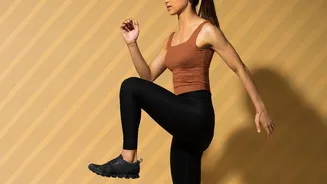
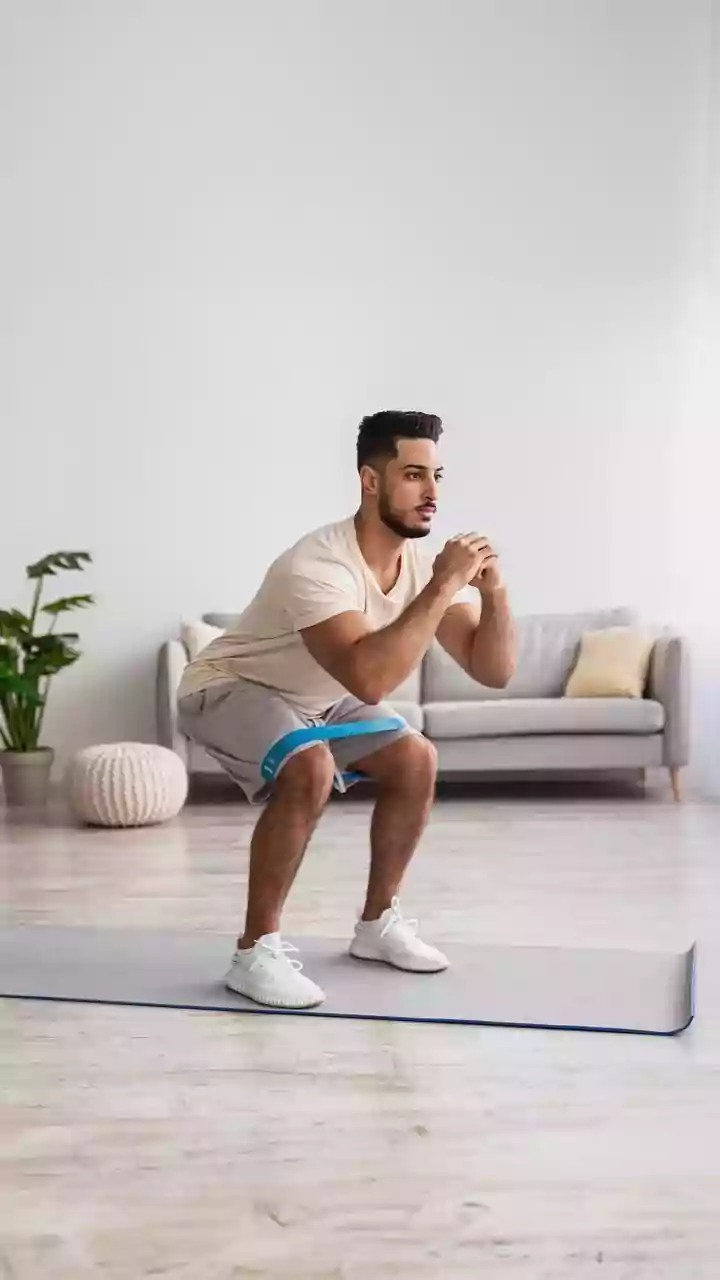
Low-impact exercise is any physical activity that's gentle on your joints. Unlike high-impact exercises such as running or jumping where both feet may leave the ground, low-impact workouts ensure at least one foot remains on the ground at all times. This
minimizes stress and jarring forces on your joints, particularly your knees, hips, and ankles. This makes them an ideal choice for beginners, individuals with joint pain or arthritis, those recovering from injury, and older adults. But 'low-impact' doesn't mean 'low-intensity' or ineffective. These workouts can still provide significant cardiovascular benefits, burn calories, and build strength.
Walking: The Ultimate Beginner's Exercise
Walking is perhaps the most accessible low-impact workout available. It requires no special equipment beyond a comfortable pair of shoes, no gym membership, and you can do it almost anywhere. Regular brisk walking is a fantastic way to improve your overall health. It strengthens your heart and lungs, helps manage weight, and can lower your risk of chronic conditions like heart disease, type 2 diabetes, and high blood pressure. It also helps strengthen muscles in your legs and core, improves balance, and can even stop the loss of bone mass associated with osteoporosis.
More Than Just Physical Benefits
The advantages of walking extend far beyond the physical. It is a powerful tool for mental well-being. Walking is a natural mood booster, helping to release endorphins, the body's feel-good chemicals. Studies show that regular walking can reduce symptoms of stress, anxiety, and depression. A daily walk helps regulate cortisol, the primary stress hormone, leading to a calmer state of mind. It can also improve your sleep quality, sharpen your memory, and boost cognitive function and creativity.
How to Start Your Walking Routine
Consistency is more important than intensity when you're starting out. Health experts recommend aiming for about 150 minutes of moderate-intensity exercise per week, which breaks down to 30 minutes, five days a week. If that sounds like too much, start smaller. Even 10-minute walks are beneficial and you can gradually increase your time and pace. Focus on good posture: keep your head up, look forward, and swing your arms freely. To stay motivated, listen to music or a podcast, explore different routes, or walk with a friend.
Beyond the Pavement: Other Low-Impact Options
Once you've built a consistent walking habit, you might want to explore other low-impact activities. These are great for cross-training and working different muscle groups while still protecting your joints. Some excellent beginner-friendly options include swimming or water aerobics, where the water supports your body and removes nearly all impact. Cycling, whether on a stationary bike or outdoors, is another fantastic cardio workout that is easy on the knees. Other popular choices include yoga and Pilates, which improve flexibility, core strength, and balance, or using an elliptical machine, which mimics running without the jarring motion.