

A Sweet Steeped in Divinity
The story of the Mathura Peda is inseparable from the city's identity as the birthplace of Lord Krishna. The Braj region, encompassing Mathura and Vrindavan, has a rich history deeply rooted in a pastoral, dairy-centric culture. Stories of Krishna's childhood
are filled with tales of milk, butter, and curd, earning him the affectionate name 'Makhan Chor' or the butter thief. This cultural reverence for dairy created the perfect environment for milk-based sweets to flourish. The peda, made from slow-cooked milk solids, became a natural and popular choice for 'prasad'—a blessed offering made to the deity in temples. Devotees visiting the countless temples in the area would receive these pedas and carry them home, marking the beginning of their journey from a sacred offering to a cherished takeaway.
The Art of the Authentic Mathura Peda
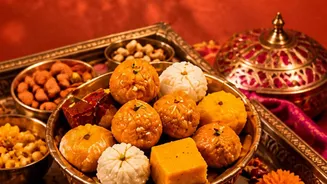
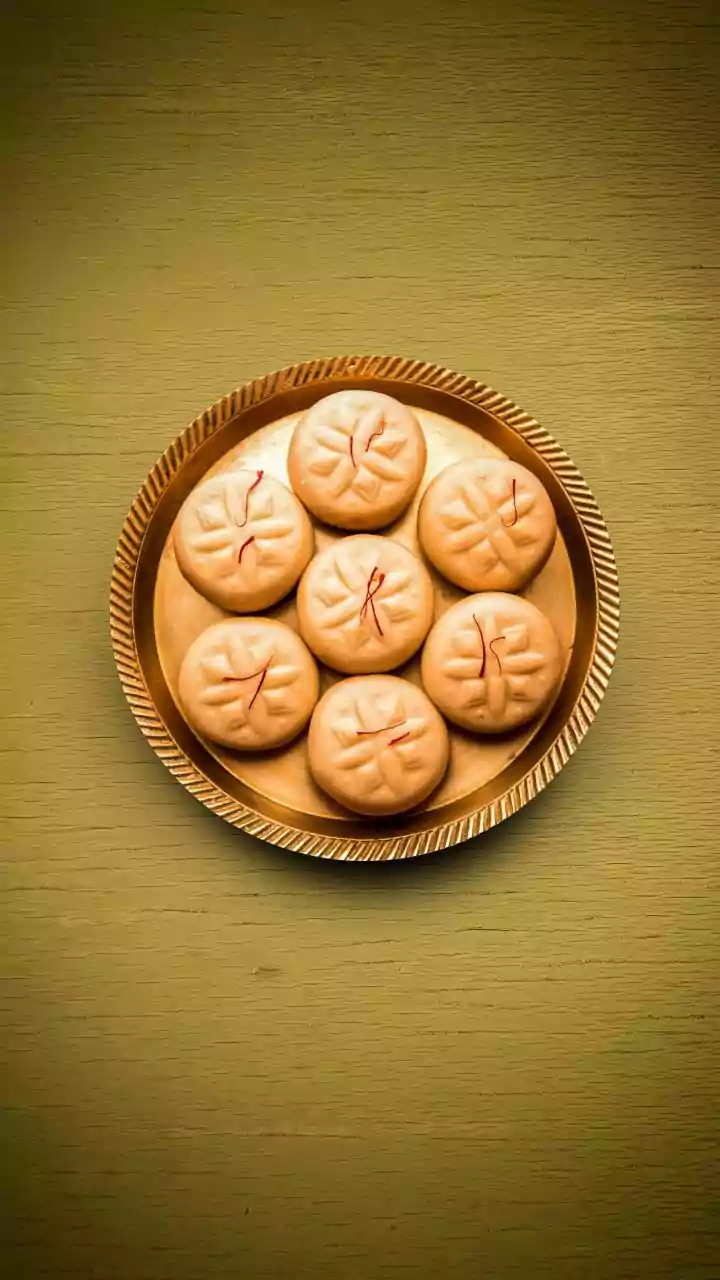
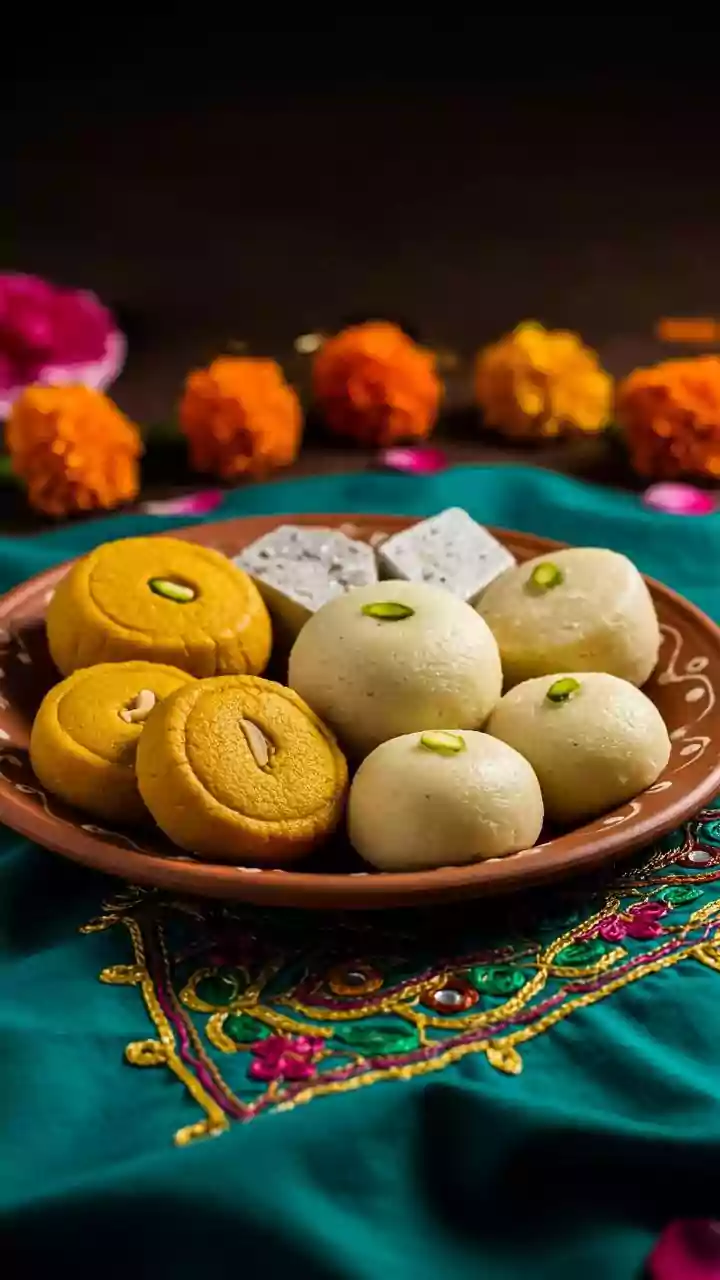
What distinguishes the Mathura Peda from its paler, softer cousins found elsewhere in India is its unique preparation and resulting character. The process is a testament to patience. It begins with khoya (also called mawa), which is whole milk simmered for hours until most of its water has evaporated, leaving behind crumbly milk solids. For the Mathura-style peda, this khoya is then roasted further, often with ghee, until the milk sugars begin to caramelise. This slow roasting is what gives the sweet its signature brownish colour, a slightly grainy texture, and a deep, caramelised milk flavour. After cooling slightly, sugar and flavourings like cardamom are worked in, and the mixture is shaped into small discs, which are often rolled in powdered sugar called 'bura'.
From Prasad to Prized Souvenir
Several factors helped elevate the peda from a local temple offering to a must-buy souvenir for any visitor to Mathura. Its religious significance is paramount; taking home prasad from a pilgrimage is a deeply ingrained tradition for devotees wanting to share the blessings with family and friends. This practice single-handedly turned the peda into a symbol of a spiritual journey. On a more practical level, the peda’s preparation gives it a longer shelf life than many other milk-based sweets. The extensive cooking process reduces the water content, making it more stable for travel. This robustness made it an ideal and convenient edible gift for tourists and pilgrims to carry back with them, solidifying its status as a food souvenir.
The Undisputed Peda Capital
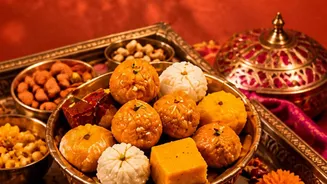
Today, a trip to Mathura feels incomplete without tasting or buying a box of pedas. The city's streets are lined with hundreds of sweet shops, each selling their version of the iconic sweet, a clear indicator of its economic importance. This widespread production and consumption have firmly established Mathura's reputation as the 'Peda Capital'. The name 'Mathura Peda' itself has become a brand, synonymous with quality and authenticity. In recent years, efforts have been made to secure a Geographical Indication (GI) tag for the Mathura Peda. While the application, filed in early 2024, is still in process, the move aims to legally protect the sweet's heritage and ensure that the name is reserved for pedas produced in the region according to traditional methods. This will help combat adulteration and preserve the authentic taste that has made the city famous.