




The Current State of Play
India's policy on pulse imports is a mixed bag, designed to manage prices for different dals. For tur (pigeon peas) and urad (black gram), the government has allowed duty-free imports until March 2027 to improve domestic availability and keep prices in
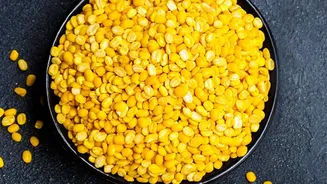
check. However, other pulses face import taxes. Red lentils (masoor) and chana (chickpeas) currently have a 10% import duty, while yellow peas have a higher tariff of 30%. This complex system exists because India is the world's largest producer, consumer, and importer of pulses. While we grow a lot, our domestic production often falls short of our massive demand, making imports essential to fill the gap.
The Case for Import Duties
The primary argument for imposing or retaining import duties is to protect Indian farmers. When cheaper pulses flood the market from countries like Canada, Australia, and Myanmar, domestic prices can crash. This often happens right around harvest time, leaving farmers unable to sell their crops at the government-mandated Minimum Support Price (MSP). Farmer groups consistently lobby for duties to ensure they receive a fair price for their produce, arguing that without this protection, they would have no incentive to grow pulses, which could lead to even greater import dependency in the long run. The government often uses duties as a tool to encourage farmers, for instance, by keeping the duty on chana to support its planting season which begins in October.
The Burden on the Buyer
On the other side of the debate are consumers, traders, and dal millers. For them, import duties are a direct cause of price hikes. Any tax applied at the border is ultimately passed down to the end buyer. With a patchy monsoon raising concerns over this year's harvest, traders argue that making imports more expensive will only worsen food inflation. Demand for pulses naturally rises during the festive season, and with domestic production of crops like tur and urad already under pressure, unrestricted, low-cost imports are seen as the only way to prevent a sharp spike in retail prices.
The Government's Tightrope Walk
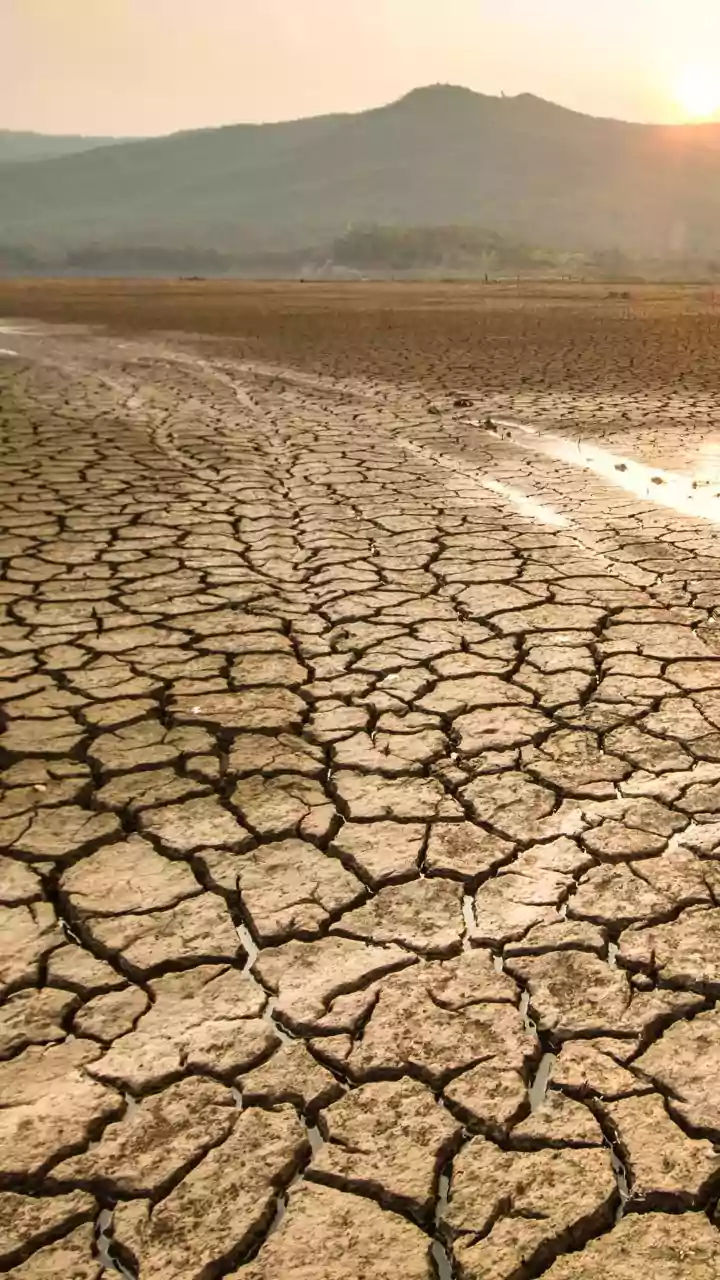
This leaves the government performing a difficult balancing act. On one hand, it needs to prevent food inflation from hurting household budgets, a politically sensitive issue. On the other, it cannot afford to alienate millions of farmers who form a significant voter base. As a result, policy often swings back and forth. Recently, officials have indicated they are considering lowering duties on lentils and yellow peas to ease price pressures from a weak monsoon. This shows a tilt towards protecting consumers from inflation, even while trying to support farmers growing other crops like chana.
What to Expect on Your Plate
For the average dal buyer, this debate translates directly to price volatility. Tur and urad prices are currently firm and could face upward pressure due to weak monsoon forecasts and rising global prices. While duty-free imports are in place for these dals, any disruption or poor domestic harvest could still push prices higher. Conversely, the government's consideration to lower duties on masoor (lentils) and yellow peas might offer some relief in those categories if the policy is enacted. Chana prices, however, are likely to remain protected by the existing import duty to support local farmers during their sowing season. Ultimately, the price of your daily dal is less about simple demand and supply and more about a constant negotiation between farmer welfare and consumer affordability.