





1. Start With Forgiving Plants
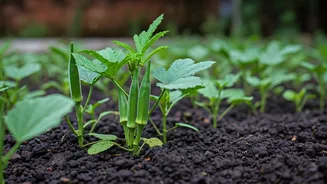
The single biggest mistake beginners make is choosing finicky plants. Your gardening journey should start with wins, not frustrations. Opt for plants that are famously resilient and productive in Indian climates. Think about what you use in your kitchen
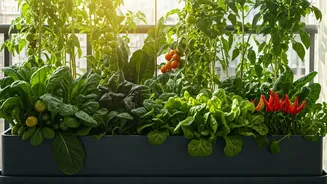
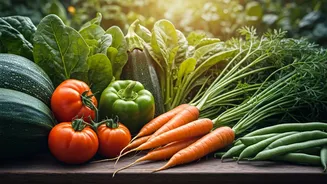
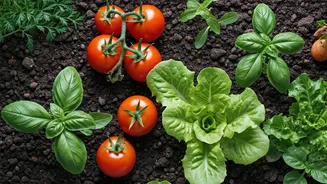
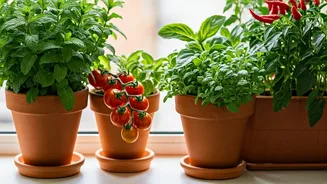
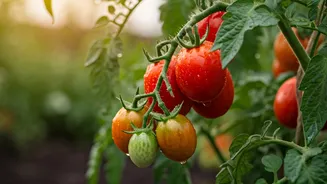
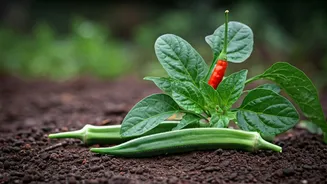
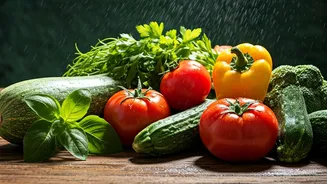
every day. Cherry tomatoes, for instance, are incredibly rewarding and grow well in containers. Chillies (mirchi) are practically designed for our climate and produce prolifically. Herbs are a fantastic starting point: mint (pudina) is nearly indestructible, holy basil (tulsi) is a must-have that thrives on neglect, and coriander (dhania) can be grown easily for its leaves. Spinach (palak) is another winner, offering quick, repeatable harvests. By choosing plants that want to live, you set yourself up for early success, which builds the confidence to try more ambitious projects later.
2. Master The Soil, Not The Fertiliser
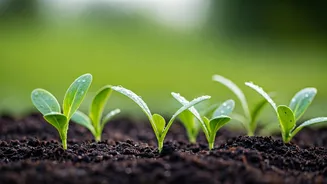
New gardeners often obsess over colourful fertiliser bottles, but the real secret to a healthy plant lies beneath the surface. A great soil mix is the foundation of a low-maintenance garden. Instead of using heavy, dense soil from the ground, create or buy a potting mix. A perfect beginner's mix is equal parts cocopeat (for moisture retention), compost (for nutrients), and perlite or sand (for drainage). This combination creates a light, airy environment where roots can breathe and grow strong. It holds water without becoming waterlogged, which is a common cause of plant death. This 'set it and forget it' approach to soil means you won't need to constantly feed your plants in the beginning. The compost provides a slow release of essential nutrients, getting your plants through their critical early growth stages with minimal intervention from you.
3. Embrace Container Gardening
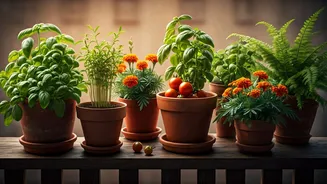
For anyone starting out, especially in an urban apartment or home with a small balcony, containers are not a compromise—they are a superpower. Gardening in pots gives you complete control over the most important variables: soil, water, and location. Is a plant getting too much harsh afternoon sun? Move the pot. Is the soil not draining well? You can easily fix the mix for a single container. This controlled environment is far less intimidating than trying to manage a large garden bed. Start with medium-sized pots (8-12 inches in diameter) as they provide enough room for root growth without drying out as quickly as tiny pots. Ensure every single pot has drainage holes at the bottom. Without them, water will pool and rot the roots, a silent killer for many beginner gardens.
4. Water Smarter, Not Harder
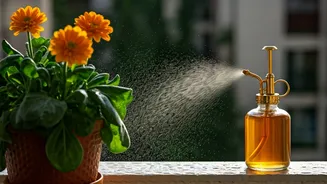
Overwatering is the number one cause of death for container plants. The instinct is to care for your new green friends by giving them a drink every day, but this often does more harm than good. The best way to know if a plant needs water is the 'finger test.' Stick your index finger about an inch into the soil. If it feels dry, it's time to water. If it feels moist, wait another day. When you do water, do it thoroughly until you see water running out of the drainage holes. This encourages roots to grow deep. Then, allow the soil to partially dry out before watering again. This simple rhythm prevents root rot and makes your plants more resilient. It’s better to water deeply and less frequently than to sprinkle a little bit on the surface every day.
5. Follow The Sun
Sunlight is plant food. Before you buy a single seed or sapling, spend a day observing the light in your chosen spot—be it a balcony, windowsill, or terrace. Note which areas get direct morning sun (gentle and ideal for most plants), which get harsh afternoon sun (can scorch delicate leaves), and which are in shade. Most vegetable and flowering plants, like tomatoes, chillies, and marigolds, need at least 5-6 hours of direct sunlight to be productive. Leafy greens and herbs like mint and coriander can often get by with less, around 3-4 hours of morning sun. Matching the plant's needs to the available light is a simple, free strategy that dramatically increases your chances of success. A sun-loving plant in a shady corner will never thrive, no matter how perfectly you water it.