





Jalapão State Park: The Desert of Waters
Tucked away in the state of Tocantins, Jalapão State Park is an adventurer's paradise, often called the 'Desert of Waters'. Its landscape is a surreal mix of golden sand dunes reaching up to 40 metres high, vast dry grasslands of the Cerrado savanna,
and a network of crystal-clear rivers. The key context here is its remoteness; access is only possible with a 4x4 vehicle, and it is highly recommended to hire a local guide. This isolation is precisely what preserves its magic. The park's signature attractions are the 'fervedouros'—natural springs where powerful underwater currents create a buoyant effect, preventing you from sinking. Another highlight is the Formiga Waterfall, an emerald-green pool perfect for swimming. The best time to visit is during the dry season from May to September for clear skies and more accessible roads. Given the limited connectivity, visitors should expect to be off-grid, making it a true escape.
Ilha do Mel: The Car-Free Island Sanctuary
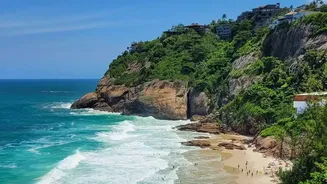
Off the coast of Paraná lies Ilha do Mel, or 'Honey Island', an ecological haven where cars are forbidden. This destination is all about slowing down. Transportation is limited to footpaths and boats, preserving its tranquil atmosphere. The island is a protected area, with a visitor limit of 5,000 people per day, ensuring its pristine beaches and Atlantic Forest trails remain unspoiled. Key context for visitors involves choosing between its two main villages: Encantadas, known for its rustic charm and the mystical Gruta das Encantadas (Enchanted Grotto), and Nova Brasília, which offers more infrastructure and access to the Farol das Conchas lighthouse and the 18th-century Fortaleza de Nossa Senhora dos Prazeres. The island offers rugged coastlines for surfing alongside calm, deserted beaches for relaxation. Reachable by ferry from Paranaguá or Pontal do Sul, it’s an ideal stop for those seeking a digital detox and immersion in nature.
Chapada das Mesas: The Land of Table Mountains
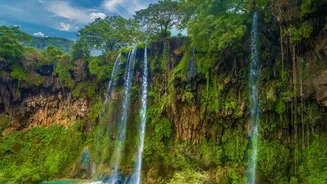
In the state of Maranhão, Chapada das Mesas National Park showcases a dramatic landscape of sandstone plateaus, or 'mesas', that have been sculpted by wind and rain over millions of years. Established in 2005, the park protects a vast area of Cerrado transitioning into Amazonian forest, resulting in rich biodiversity. The main attractions are its countless waterfalls and natural swimming pools, like the stunning Encanto Azul and Poço Azul, which are deep wells of crystalline turquoise water. Key context revolves around accessibility; while the gateway city is Carolina, many of the park's main attractions, such as the São Romão and Prata waterfalls, are on sandy roads and require a 4x4 vehicle and a guide. The best time to visit is during the dry season between June and September, when the skies are clear and the pools are most inviting.
Alter do Chão: The Caribbean of the Amazon
Deep in the Amazon, in the state of Pará, is Alter do Chão, a destination that defies typical rainforest imagery. Nicknamed the 'Amazonian Caribbean', it is famous for its white-sand freshwater beaches that appear along the Tapajós River during the dry season (August to December). The most famous of these is Ilha do Amor (Island of Love), a stunning sandbar that you can wade or take a small canoe to from the village waterfront. The key context is timing: visiting during the low-water period is essential to experience the beaches that make this place famous. Beyond the beaches, Alter do Chão is a base for exploring the Amazon, with tours offering chances to see the 'Meeting of the Waters', where the blue Tapajós meets the muddy Amazon River, and to visit local communities. It’s a rare opportunity to have a classic beach holiday in the heart of the world's largest rainforest.
Serra da Capivara: A Journey into Prehistory
For a journey through time, Serra da Capivara National Park in Piauí offers a different kind of landscape: one rich with human history. A UNESCO World Heritage site, the park holds the largest and oldest concentration of prehistoric rock art in the Americas, with some paintings dating back over 12,000 years. The art is spread across more than 1,000 archaeological sites, set against a backdrop of dramatic canyons and dry forest. The essential context for any visit is that hiring an accredited guide is mandatory to enter the park, a measure designed to protect the fragile sites. The park has excellent infrastructure, with well-maintained paths and even wheelchair access to some main sites like Boqueirão da Pedra Furada. Beyond the paintings, the park's unique geology and caatinga biome offer a stark, beautiful environment for hiking and wildlife spotting. This is not a beach or waterfall trip, but a deep dive into the ancient soul of Brazil.