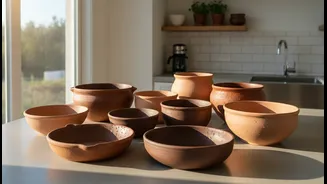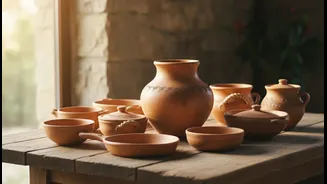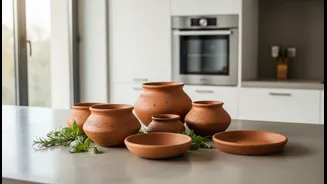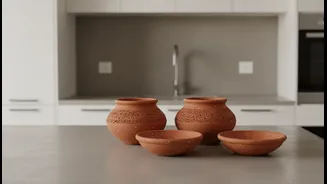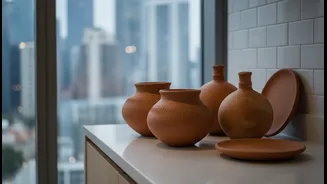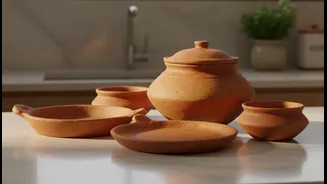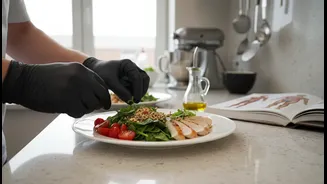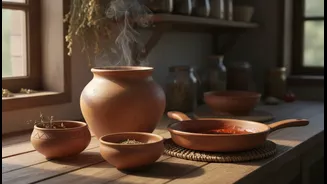

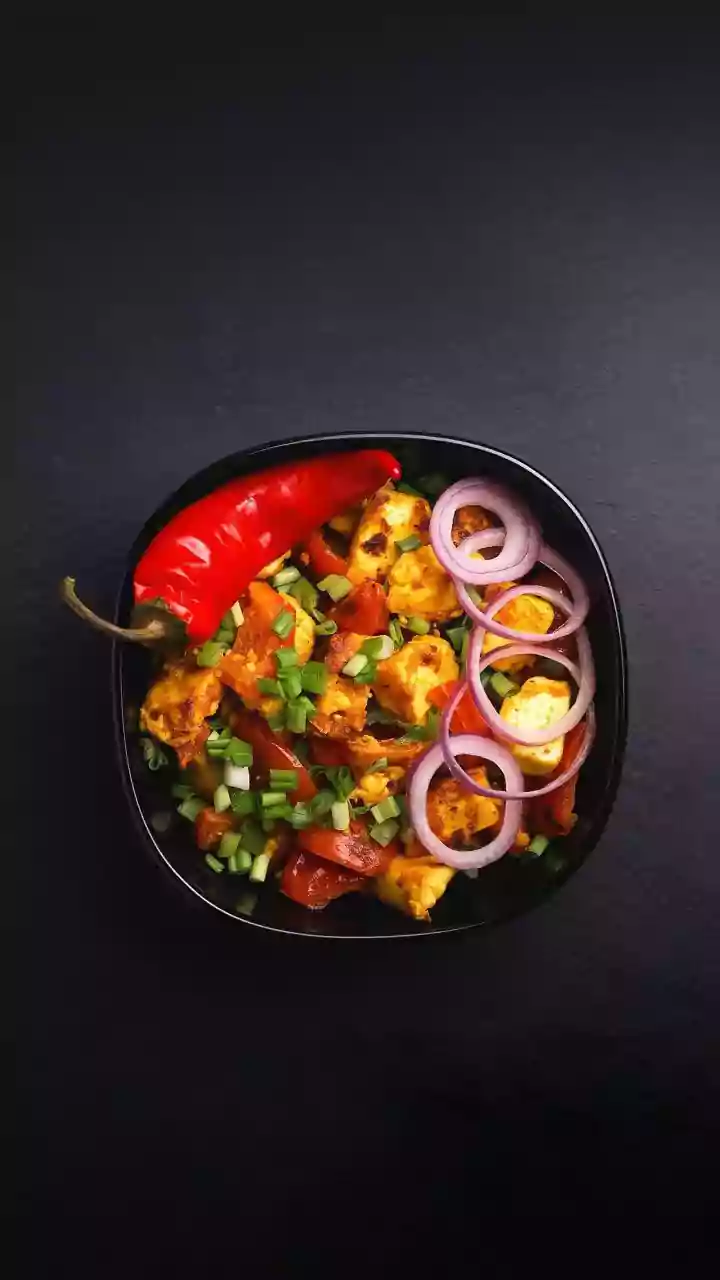
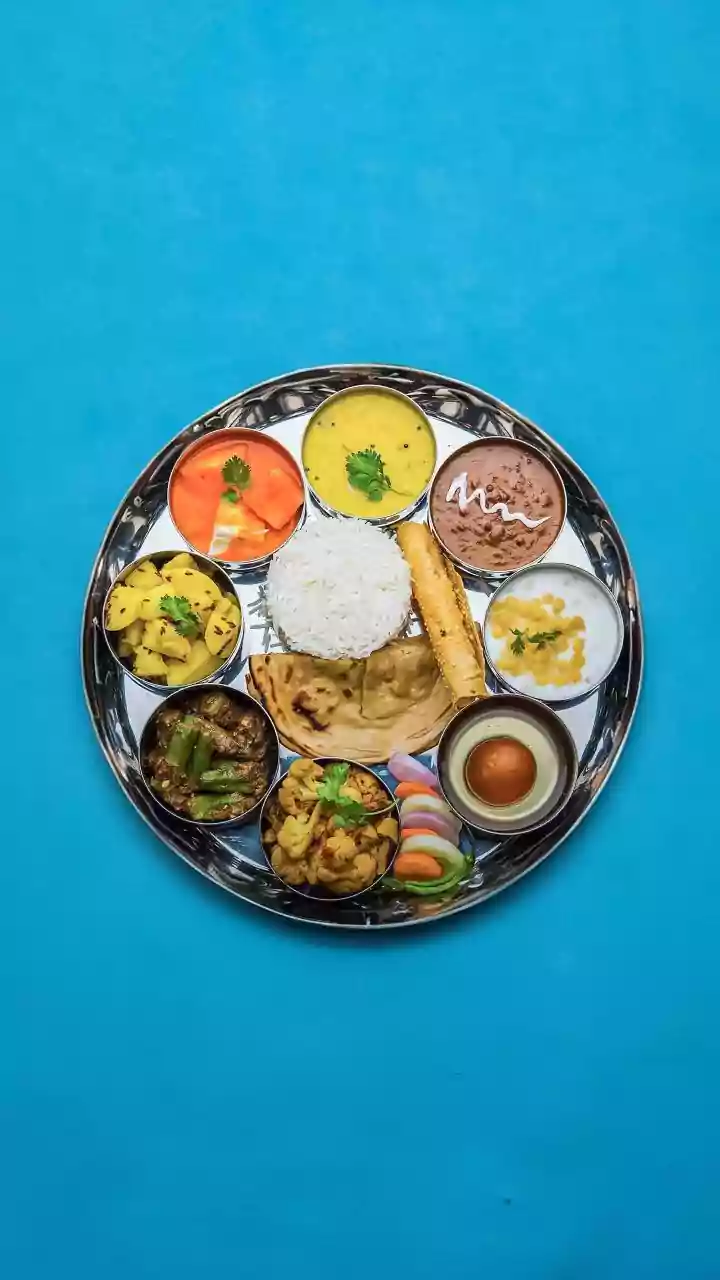


The Allure of Earthenware
For generations, Indian households relied on earthenware for everything from cooking curries to cooling water. Before stainless steel and non-stick pans became the norm, the mitti ki handi was a kitchen staple. Today, a growing interest in wellness, sustainability,
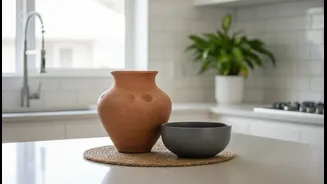
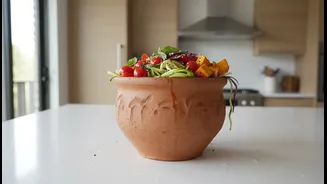
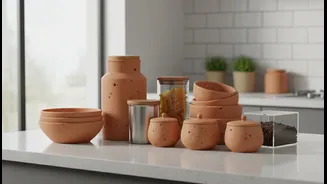
and authentic culinary experiences is fuelling a comeback. People are rediscovering that these natural, chemical-free pots offer more than just nostalgia; they provide a connection to traditional cooking methods that modern cookware often overlooks. This revival is also driven by aesthetics, with the rustic, earthy look of terracotta complementing contemporary kitchen designs and adding a touch of timeless warmth.
Enhanced Flavour and Gentle Cooking
One of the most celebrated benefits of terracotta is its ability to enhance the flavour of food. Clay is porous, allowing heat and moisture to circulate evenly throughout the pot. This creates a gentle, slow-cooking environment where ingredients simmer in their own juices. The process prevents hot spots, reducing the risk of burning, and allows the natural aromas of spices and vegetables to develop fully without becoming bitter. Dishes like biryani, dal, and slow-cooked meat curries emerge tender, aromatic, and infused with a subtle, earthy flavour that metal pots cannot replicate.
A Healthier Way to Cook
Beyond taste, cooking in clay pots offers several health advantages. The slow-cooking process at lower temperatures helps retain more of the food's delicate nutrients, which can be destroyed by high heat. The porous nature of clay also means less oil is needed, as the pot's ability to circulate steam keeps food moist and tender naturally. Furthermore, clay is naturally alkaline. When it interacts with acidic foods like tomatoes, it helps neutralize the pH balance, making meals easier to digest. Unlike some coated non-stick pans, unglazed terracotta is free from synthetic chemicals, ensuring no harmful toxins leach into your food.
Terracotta vs. Modern Cookware
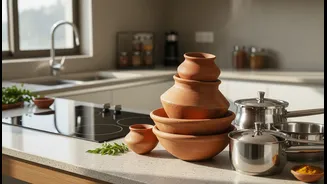
While terracotta excels at slow cooking, it's not meant to replace your entire set of modern pans. Stainless steel and non-stick cookware offer speed and convenience for quick frying and searing. However, where terracotta shines is in its ability to manage moisture and provide even, gentle heat for stews, curries, and baked dishes. Metal pots heat up fast but can also lead to rapid evaporation and dry food. Clay, on the other hand, retains heat exceptionally well, keeping food warm long after it's removed from the stove, which can help save energy.
Choosing and Caring For Your Pot
When buying a terracotta pot, look for unglazed options to get the full benefits. Before its first use, the pot needs to be seasoned. A common method involves soaking it in water for several hours, then rubbing it with a little oil and baking it in an oven or filling it with a water-and-flour mixture and simmering it on the stove. This process strengthens the clay and prepares it for cooking. For cleaning, avoid harsh soaps, which can get absorbed into the porous surface. Instead, scrub with a soft brush using hot water and baking soda. Always allow the pot to air dry completely before storing to prevent mould. Handle with care, as sudden temperature changes—like placing a hot pot on a cold surface—can cause it to crack.