








The High Cost of Waiting
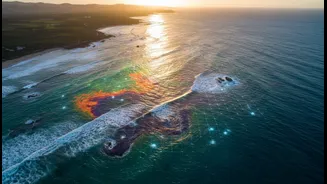
When a harmful algal bloom, sometimes called a 'red tide', is already visible, the damage has begun. The costs are immense: mass fish kills lead to closed fisheries, toxic water shuts down beaches and resorts, and consumer confidence in seafood plummets.
For India's coastal communities, where millions of livelihoods depend on the ocean, reacting to a bloom is a recipe for economic loss and ecological disaster. The key to mitigating these impacts is shifting from a reactive posture to a proactive one. Early warning systems provide the crucial time needed to implement safety measures, manage harvests, and protect public health before a crisis unfolds.
Know the Enemy: What Are HABs?
Harmful algal blooms are a rapid, uncontrolled growth of algae. While algae are a natural part of aquatic ecosystems, certain species can produce powerful toxins. In India, factors like increased nutrient pollution from agricultural runoff and untreated sewage, coupled with rising sea temperatures due to climate change, create perfect conditions for these blooms to thrive. Along India's coasts, species like Noctiluca scintillans have been responsible for oxygen depletion and fish mortality. Understanding the specific local drivers and common bloom-forming species in your region is the first step toward effective monitoring.
The Early Detection Toolkit
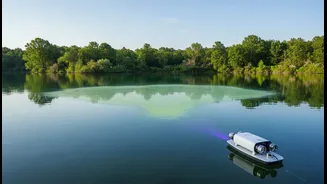
Gone are the days of relying solely on visual reports. A multi-layered approach using modern technology provides the most robust early warning. Planners should consider a combination of methods: 1. Satellite Monitoring: Services like the Indian National Centre for Ocean Information Services (INCOIS) use satellite data to track chlorophyll concentration and sea surface temperature, identifying potential bloom hotspots over large areas of the Arabian Sea and Bay of Bengal. This provides a big-picture view. 2. In-Water Sensors: Automated buoys and submersible sensors offer real-time, 24/7 data on water quality. These instruments can measure algal pigments like chlorophyll and phycocyanin, which are specific indicators for algae growth, and trigger alerts when thresholds are crossed. 3. Rapid Water Analysis: Traditional lab analysis using microscopes is still vital, but it is now supplemented by faster techniques. Field-deployable kits and methods like quantitative polymerase chain reaction (qPCR) can detect the DNA of toxic algae species in a water sample within hours, not days.
From Data to Decisive Action
Technology is only half the solution. The data generated from monitoring must feed into a clear and well-rehearsed response plan. This involves establishing alert levels—for example, the 'WATCH' and 'WARNING' system used by INCOIS—that trigger specific actions. For a fishery manager, an early alert might mean advising boats to avoid a specific area or accelerating a harvest. For a tourism planner, it could mean preparing public health advisories for beach closures. A critical component of this plan is a communication strategy that ensures scientists, government agencies, and industry stakeholders are all sharing information and coordinating their responses seamlessly. This prevents panic and ensures public safety.
Building a Collaborative Defense
No single entity can tackle the challenge of HABs alone. Effective management requires a collaborative framework. This includes partnerships between government bodies like INCOIS and the National Centre for Coastal Research (NCCR), research institutes, private industry, and local communities. Fishermen and local tour operators are often the first to notice changes in the water and can be trained as part of a citizen science network, providing invaluable on-the-ground reports that complement high-tech systems. By pooling resources, sharing data, and coordinating response efforts, regions can build a resilient and comprehensive defense against the growing threat of toxic blooms.