



A World Washed in Green
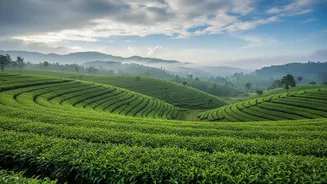
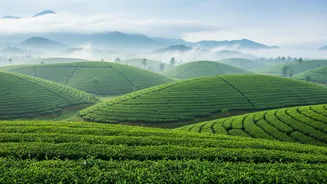
The monsoon, which typically lasts from June to September, breathes new life into Assam. The landscape undergoes a dramatic transformation, draped in a thousand shades of green. The state’s famed tea gardens, stretching across vast estates in Jorhat and Dibrugarh,
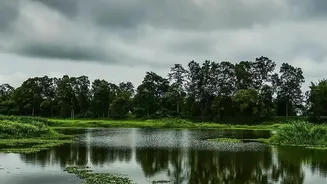
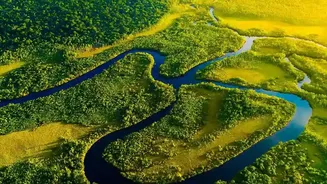
become exceptionally beautiful, their leaves glistening with raindrops against a backdrop of grey, misty skies. This is when the air is fresh, the dust has settled, and the earth smells rich and loamy. The incessant rain nourishes endless rice paddies, turning them into fluorescent patchworks, while waterfalls that are mere trickles in the dry season swell into powerful, roaring cascades. It's a sensory experience that photographs only begin to capture—the sound of rain on a tin roof, the sight of clouds rolling through the valleys, and the unparalleled freshness of the air.
Rethinking the Wildlife Trail
While it's true that the core areas of major wildlife sanctuaries like Kaziranga and Manas National Parks are closed during the peak monsoon due to flooding from the Brahmaputra River, the season offers a different kind of nature experience. The parks are typically shut from around May or June until October to protect the animals during their breeding season and ensure visitor safety. However, the fringe areas and surrounding landscapes become incredibly picturesque. Some parks, like Dibru-Saikhowa National Park, a wetland ecosystem, become a haven for boat safaris and offer incredible bird-watching opportunities as migratory species flock to the burgeoning wetlands. The mighty Brahmaputra itself becomes a majestic sight, and for travellers, it means exploring the state's natural beauty beyond the conventional jeep safari.
Destinations That Shine in the Rain
Certain parts of Assam are arguably at their best during the monsoon. Haflong, the state's only recognized hill station, becomes a misty wonderland. Fog clings to the hills and valleys, and lush orchids bloom in the dense forests, creating a tranquil, almost mystical atmosphere perfect for a quiet retreat. The world's largest river island, Majuli, offers a unique cultural and scenic experience as the rising river redraws its shores, though travellers must be mindful of access. Cities like Guwahati and Tezpur also take on a soulful charm. In Guwahati, the swollen Brahmaputra and the spiritual ambiance of temples like Kamakhya, which hosts the Ambubachi Mela in June, offer a unique urban monsoon experience. Historic Sivasagar, with its ancient temples and rain-filled tanks, feels like stepping back in time.
The Quiet Comforts of Monsoon
The appeal of a monsoon trip isn't just visual. It's also about the slower, more intimate pace of life. It’s the perfect time to indulge in Assamese hospitality and its comforting cuisine. Picture sipping a cup of hot, locally grown tea while watching the rain from a cosy veranda, or savouring warm, freshly made 'pithas' (rice cakes) and other local delicacies. The monsoon season is woven into the cultural fabric of the state, influencing everything from its festivals to its daily rhythms. For travellers, this translates into a more authentic and less hurried experience, away from the peak-season crowds.
The Practical Perks of an Off-Season Trip
Recent travel trends confirm a growing interest in monsoon travel to the Northeast. According to a report from one travel platform, hotel bookings in Guwahati grew by over 60% year-on-year during a recent monsoon season, part of a wider trend that saw the Northeast emerge as a top region for rainy-season travel. This shift is driven by travellers seeking nature-based experiences without the crowds. The practical benefits are undeniable: accommodations are often more affordable, popular spots are less congested, and you get to see a side of the state that feels more genuine and personal. For the intrepid traveller, the reward is witnessing a landscape at its most vibrant and alive.