




Mistake: Giving in to Street Food Cravings
That plate of pani puri or chaat is tempting, but it's one of the biggest risks during the monsoon. The primary concern is the water used, which can be easily contaminated during this season, leading to stomach infections. Furthermore, chutneys and other
ingredients left exposed to the humid air can quickly develop harmful bacteria. The high humidity and warm temperatures accelerate spoilage, making street food a common source of foodborne illnesses like gastroenteritis and food poisoning.
The Fix: Recreate Favourites at Home
You don't have to give up your favourite snacks, just change the location. Preparing pakoras, bhel, or even pani puri at home gives you complete control over the hygiene and quality of ingredients. Use filtered or boiled water for your preparations and ensure all your ingredients are fresh and washed thoroughly. This simple shift allows you to enjoy the classic tastes of the monsoon without the associated health risks. Opting for homemade versions is the safest way to satisfy your cravings.
Mistake: Eating Raw Leafy Greens
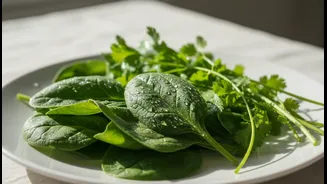
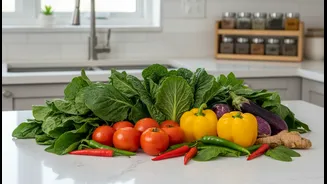
While generally healthy, leafy vegetables like spinach, cabbage, and lettuce become risky during the monsoon. They grow close to the ground and the damp, muddy conditions are ideal for germs, bacteria, and larvae to thrive. The folds and surfaces of these leaves can trap contaminants that are difficult to remove completely even with thorough washing, increasing the risk of stomach infections.
The Fix: Cook Your Greens Thoroughly
You don't have to eliminate greens from your diet entirely. The key is to cook them well. Steaming, blanching, or adding them to soups and curries helps kill harmful microorganisms that might be present. If you must have them, ensure they are washed meticulously, perhaps by soaking them in salt or vinegar water for a few minutes before cooking. Opting for vegetables like gourds (bottle gourd, ridge gourd), which grow above the ground, is another safe and healthy alternative.
Mistake: Consuming Lots of Seafood
Many experts advise against eating seafood during the monsoon. This period is the breeding season for many fish and other sea creatures, which can affect their quality and taste. More importantly, increased water pollution from rainwater runoff means fish may ingest more contaminants. Spoilage also happens much faster in the humid weather, and seafood that isn't fresh can lead to serious health issues.
The Fix: Opt for Other Protein Sources
It's best to limit seafood during this time. Instead, you can rely on other sources of protein like chicken, mutton, and eggs. Plant-based proteins such as lentils (dal), chickpeas, and paneer are also excellent and easily digestible options. If you absolutely must have fish, ensure it is from a trusted source, is extremely fresh, and is cooked thoroughly to kill any potential parasites or bacteria.
Mistake: Relying on Raw Salads and Cut Fruits
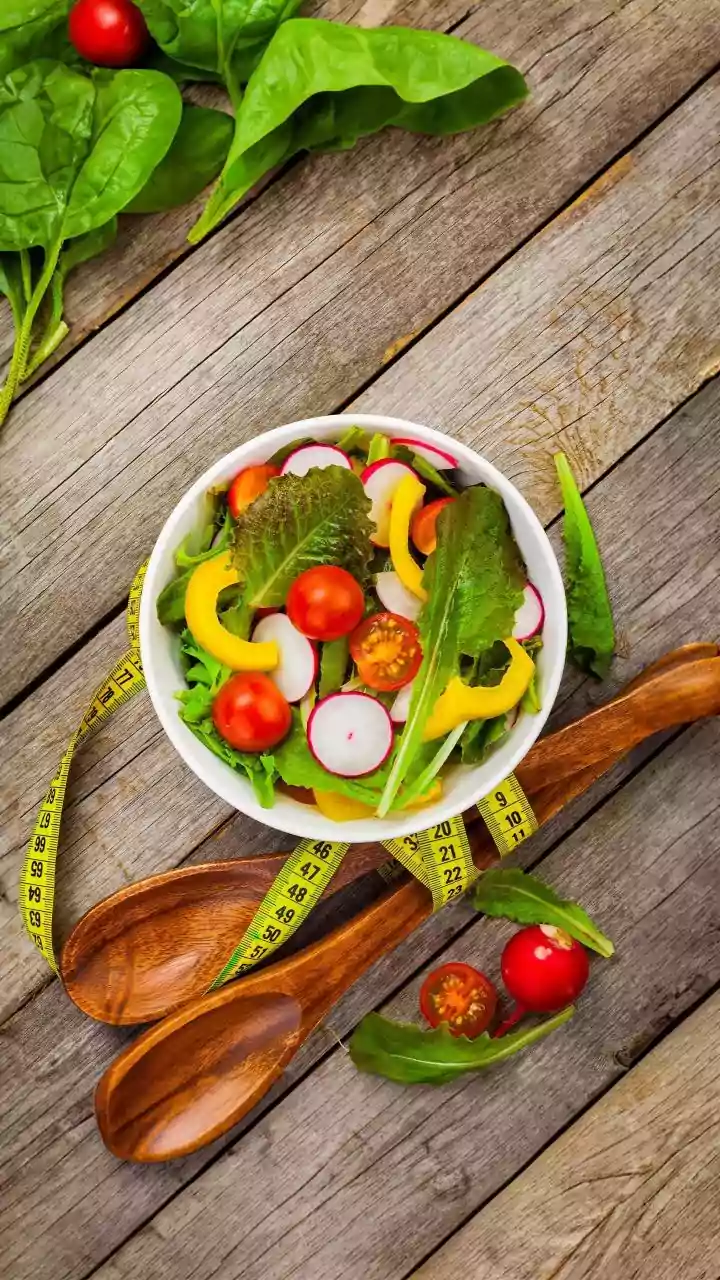
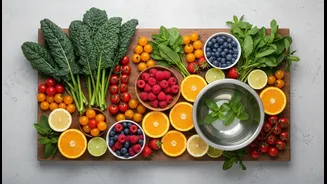
Much like leafy greens, raw vegetables and pre-cut fruits pose a high risk of contamination. Fruits and vegetables cut and left exposed, even for a short time, can attract flies and allow bacteria to multiply rapidly in the humid environment. Consuming these can easily lead to digestive problems or more severe infections.
The Fix: Choose Steamed Snacks and Whole Fruits
Instead of a raw salad, opt for steamed or grilled vegetables. These methods make the food safer to eat while retaining nutrients. When it comes to fruits, it's best to buy them whole, wash them thoroughly just before you plan to eat them, and cut them yourself. Seasonal fruits like jamun, pears, and pomegranates are great choices. This practice minimizes the window for contamination and ensures you're eating fresh.