


Why Monsoon is Meghalaya's Prime Time
Forget what you know about avoiding the rains. In Meghalaya, the monsoon is the main event. From June to October, the region, particularly the Cherrapunji-Mawsynram belt, receives some of the highest rainfall on Earth. This deluge doesn't shut the state
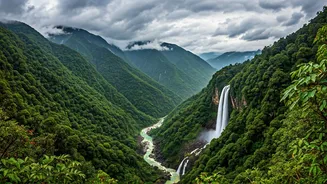
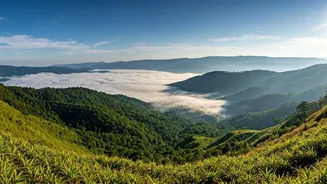
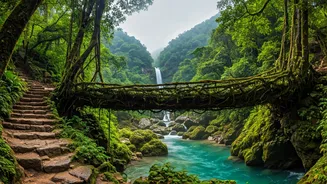
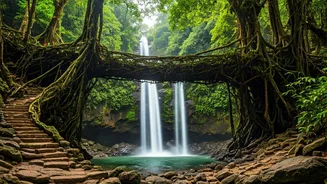
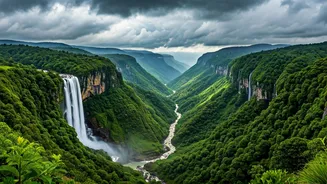
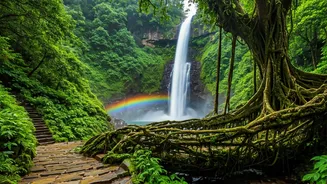
down; it awakens it. The landscape explodes into a thousand shades of green, clouds hang low over the valleys, and the state’s hundreds of waterfalls, which may be mere trickles in the dry season, swell into thundering behemoths. This isn't just a drizzle; it's a transformative force that turns the entire state into a living, breathing water park created by nature itself. For travellers willing to embrace the wet weather, the reward is a multi-sensory experience unlike any other in India.
Nohkalikai Falls: A Powerful Plunge
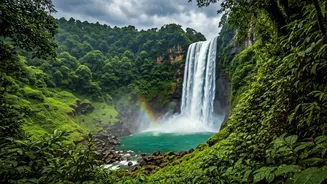
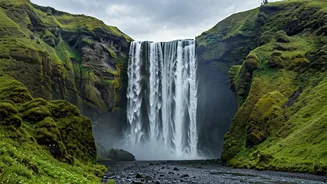
Standing as India's tallest plunge waterfall, Nohkalikai Falls is the undisputed icon of Meghalaya’s monsoon season. Located near Cherrapunji (Sohra), the falls drop uninterrupted for over 1,100 feet from a verdant clifftop into a deep, turquoise-green pool. During peak monsoon, the volume of water is so immense that the roar can be heard from afar, and the spray creates a perpetual mist around the base. The name, rooted in a tragic local Khasi legend, adds a layer of poignant history to its dramatic beauty. The viewpoint offers a staggering panorama, but be prepared for clouds to play hide-and-seek, revealing the falls in breathtaking flashes. It’s a sight that commands respect and awe in equal measure.
Seven Sisters Falls: A Panoramic Spectacle
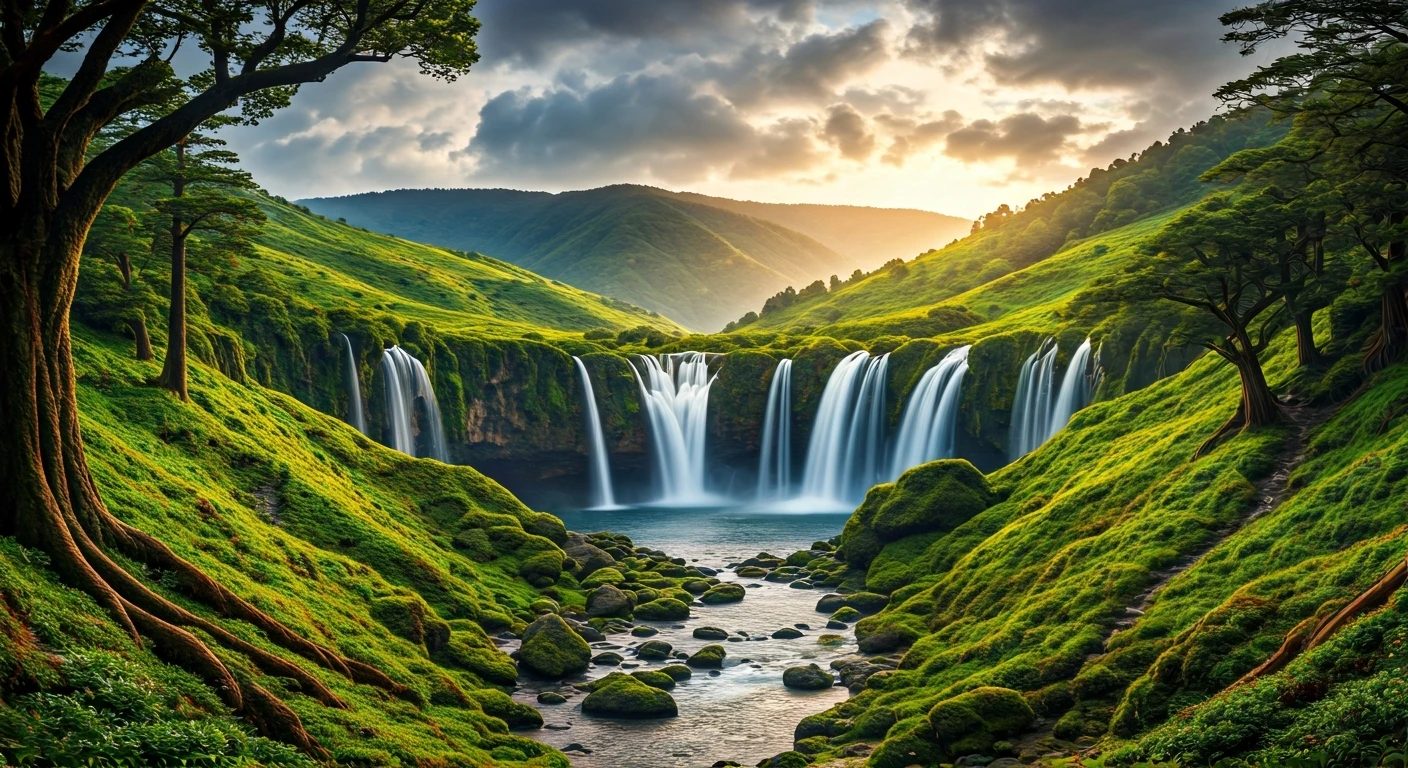
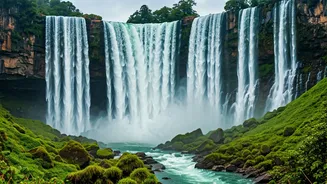
Also known as Nohsngithiang Falls, the Seven Sisters is a mesmerising spectacle. True to its name, it’s a collection of seven distinct streams of water that cascade side-by-side down a wide limestone cliff face. During the heavy rains, these segments often merge into a single, formidable curtain of water, stretching across the cliff. The best views are from the designated viewpoint in the Mawsmai area. Watching the sun set behind these falls, with light catching the water and clouds, is a photographer's dream. The sheer scale and panoramic beauty make it a mandatory stop on any Meghalaya monsoon itinerary.
Elephant Falls: The Tiered Favourite
One of the most accessible and popular waterfalls, Elephant Falls is located just a short drive from Shillong. It’s a three-tiered cascade, and well-maintained steps and walkways allow visitors to see each level up close. The British named it for a rock resembling an elephant, which was later destroyed in an earthquake, but the name stuck. In the monsoon, all three tiers are gushing with powerful currents, making for an impressive and noisy display. Its proximity to the capital and easy access make it a perfect introduction to the state’s aquatic wonders, especially for those on a tighter schedule.
Essential Monsoon Travel and Safety Tips
Travelling in Meghalaya during the monsoon requires preparation. First, road conditions can be challenging. While major routes are generally good, landslides can cause delays, so build buffer days into your itinerary. Second, pack appropriately. This means waterproof everything: jackets, pants, and sturdy, non-slip footwear are non-negotiable. An umbrella is good, but a full-body poncho is better. Third, leeches are common on trekking trails; carry salt or a sanitiser to deal with them. Finally, always listen to local advice. Water levels can rise suddenly, so avoid swimming in pools at the base of waterfalls, no matter how inviting they look. Book accommodations and transport in advance, as this is a popular season for a reason.