




Beyond the Monument, Into the Kitchen
For decades, tourism in India was a predictable affair: visit the monuments, shop for souvenirs, and eat at a restaurant recommended by a guide. But a fundamental shift is underway. A new generation of travellers, both domestic and international, is seeking
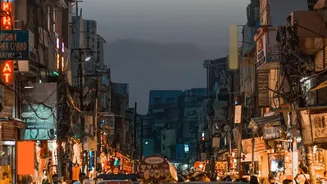
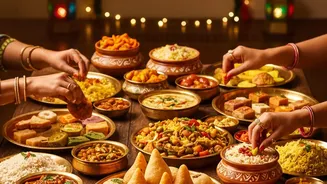
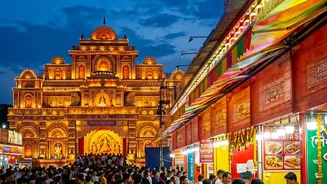
more than just a passive holiday. They are looking for 'experiential travel' — the chance to immerse themselves in a culture, not just observe it. And one of the most powerful gateways to any culture is its food. This trend involves moving beyond restaurants to participate in food walks through bustling city lanes, take cooking classes in family homes, and share meals with local hosts. It’s a transition from sightseeing to 'sense-tasting', and it’s creating a vibrant ecosystem where culinary passion can become a viable profession.
The Rise of the Culinary Explorer
Several factors are driving this hunger for authenticity. The post-pandemic surge in domestic travel saw many Indians exploring their own country with fresh eyes, often with food as the main event. Social media also plays a huge role; an Instagram reel of a street food vendor in Old Delhi or a home chef in Kochi preparing a traditional sadhya can inspire travel more effectively than any glossy brochure. This digital exposure has created a market for unique, story-rich experiences. Travellers, particularly working professionals and couples aged 28-40, are increasingly planning entire trips around culinary discoveries. They are not just buying a meal; they are buying a memory, a skill, and a connection to a place and its people. This shift has been recognized by government initiatives like 'Dekho Apna Desh', which encourages the promotion of local cuisine as a key tourist attraction.
From Home Kitchens to Thriving Businesses
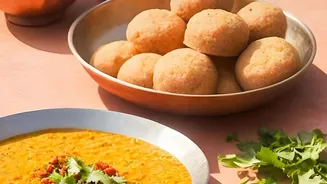
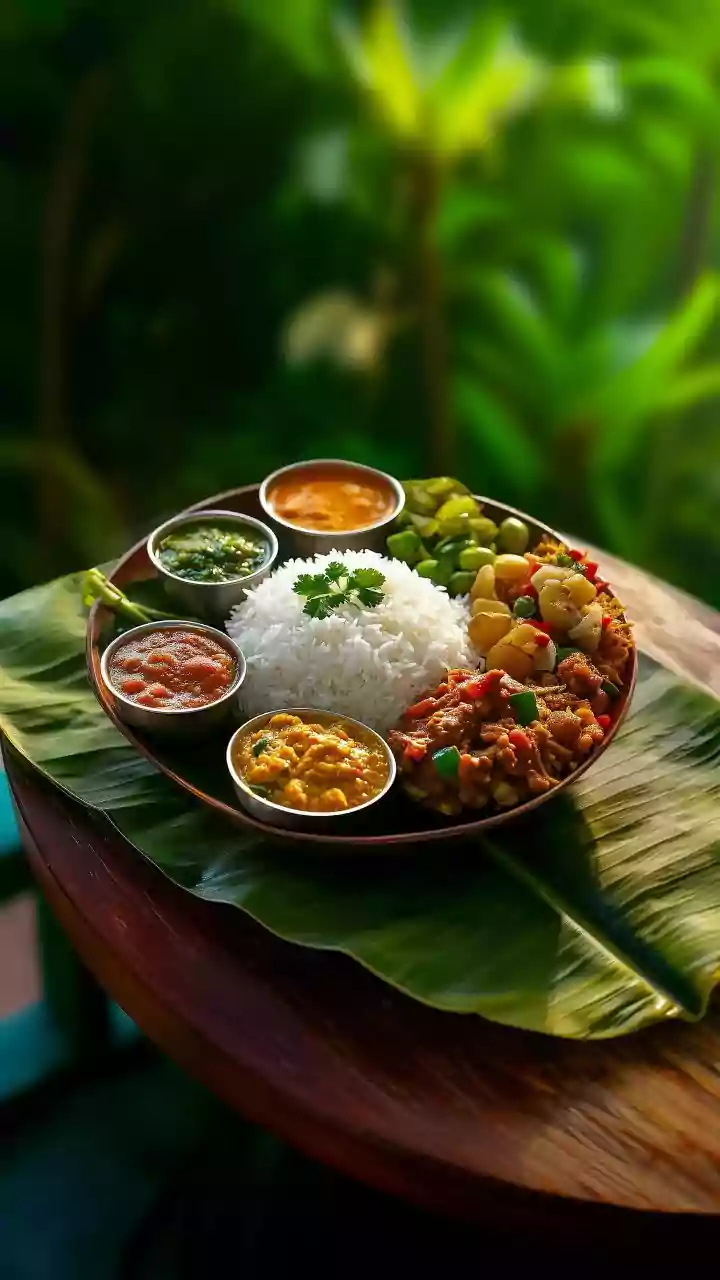
This trend is a direct economic stimulus for small-scale entrepreneurs. Across cities like Mumbai, Jaipur, Goa, and Kolkata, home chefs who once cooked only for their families are now hosting diners from around the world. These 'homepreneurs' leverage their culinary heritage—be it a long-lost regional recipe or a community-specific thali—to create unique dining experiences that restaurants cannot replicate. The model is simple but effective: it offers travellers an authentic, home-cooked meal while providing a source of income and empowerment, particularly for women, who can build a business from their own kitchens. Beyond home dining, local guides are curating specialized food tours, and small-batch producers of pickles, spices, and sweets are finding new customers who discover their products through these immersive experiences.
Technology Connecting Palates
This grassroots movement is being supercharged by technology. Platforms like Authenticook have created a marketplace that directly connects travellers with vetted home chefs, offering everything from a Bengali vegetarian feast in Bangalore to a traditional Bohri meal in Mumbai. These platforms handle the discovery, booking, and payment, allowing the hosts to focus on what they do best: cooking and sharing their stories. Started in 2015, Authenticook's model of selling an experience rather than just food even attracted backing from Booking.com's accelerator program, highlighting the global potential of this hyperlocal trend. Beyond dedicated platforms, many entrepreneurs use Instagram and WhatsApp to build their brand, share their menus, and engage with a growing community of food lovers, further lowering the barrier to entry.
A More Sustainable Way to Travel
The impact of this trend extends beyond economics. By creating value around local and regional cuisines, it helps preserve culinary traditions that might otherwise be lost in an era of fast food. It fosters a more sustainable model of tourism where revenue is distributed directly within the community, supporting local farmers and producers. When travellers spend money on a home-dining experience or a local food tour, a larger portion of that spending stays within the local economy compared to dining at a large hotel chain. This creates a win-win situation: travellers get a deeper, more meaningful experience, and small businesses gain a foothold in one of India's most important service industries, all powered by the simple act of sharing a meal.