





Understanding the 2026 Delta Aquariids
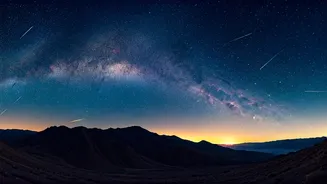
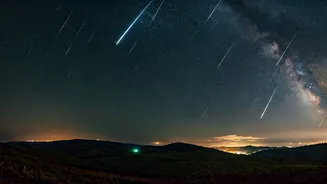
The Southern Delta Aquariid meteor shower is active from mid-July to late August each year. In 2026, it is set to peak on the night of July 29-30. These meteors originate from debris left by the comets Marsden and Kracht. They aren't known for being exceptionally
bright, with a typical rate of 15-20 faint meteors per hour under perfect conditions. However, the 2026 peak coincides with a nearly full moon, which will unfortunately wash out many of the fainter shooting stars. For a better chance, try watching in the pre-dawn hours during the week before the peak, from around July 21 to July 26, when the sky will be darker. The best viewing window in India is generally between 1:30 a.m. and 4:30 a.m.
Hanle: India's Celestial Sanctuary
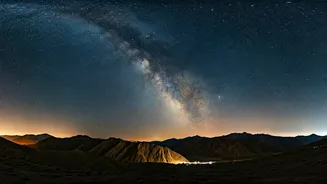
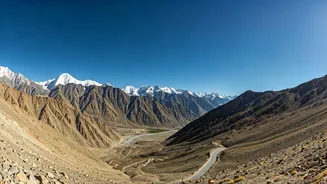
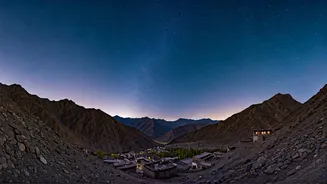
Topping any list of Indian stargazing spots is Hanle, home to India's first-ever Dark Sky Reserve. Located in the remote Changthang region at an altitude of about 4,500 metres, Hanle offers some of the clearest and darkest skies on the planet. The minimal light pollution, dry air, and high altitude create unparalleled conditions for astronomy. It's also the site of the Indian Astronomical Observatory, one of the highest in the world. While access to the research telescopes is restricted, the surrounding landscape provides a perfect, silent stage for the cosmic show. Local communities are trained in astro-tourism, making it an experience that is both authentic and educational. Remember, visiting Hanle requires an Inner Line Permit for Indians and a Protected Area Permit for foreign nationals.
Nubra Valley: Dunes and Stars
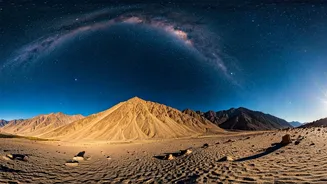
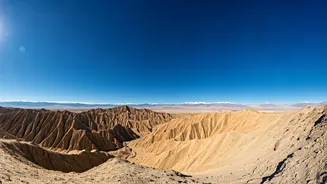
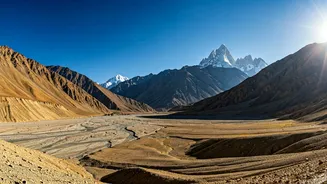
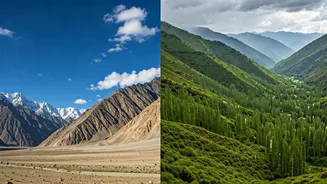
For those seeking a balance of accessibility and pristine skies, the Nubra Valley is an excellent choice. Situated at a lower altitude than Hanle (around 3,000 metres), it offers slightly warmer nights and is easier for acclimatization, making it a great option for families. The valley's unique landscape, featuring sand dunes against a backdrop of snow-capped mountains, provides a stunning foreground for astrophotography. Villages like Hunder and Diskit are relatively isolated from heavy light pollution, ensuring a clear view of the heavens. Imagine watching meteors streak across the sky from the serene quiet of the high-altitude desert—Nubra makes this vision a reality.
Pangong Tso: A Lakeside Spectacle
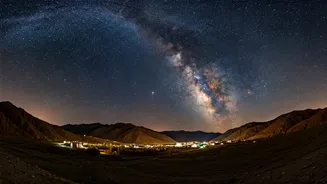
The world-famous Pangong Tso is not just a daytime marvel; its beauty extends into the night. Located far from any major towns, the area around the lake is exceptionally dark. On a clear, moonless night, the vast expanse of the lake can reflect the star-studded sky, creating a breathtaking mirror image of the cosmos. This high-altitude lake, at over 4,350 metres, offers a 360-degree panoramic view of the horizon, perfect for spotting the faint trails of the Delta Aquariids. To avoid crowds and light from tourist camps, consider finding a spot slightly away from the main visitor areas for a more immersive and peaceful stargazing session.
Tso Moriri: A Remote and Tranquil Alternative
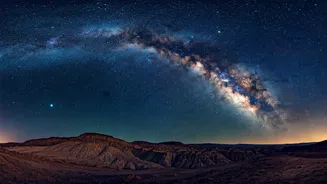
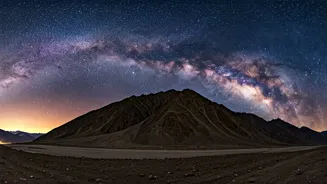
Often considered the quieter sibling of Pangong Tso, Tso Moriri is another high-altitude lake that offers a phenomenal stargazing experience. Its remote location within the Tso Moriri Wetland Conservation Reserve means it is well-protected from pollution and development, ensuring dark and clear skies. This spot is ideal for those who wish to escape the more popular tourist trails and enjoy a night of quiet contemplation under the stars. The setting is perfect for spotting not just meteor showers but also the dense band of the Milky Way, constellations, and planets with stunning clarity.
Essential Tips for Stargazing in Ladakh
To make the most of your celestial adventure, preparation is key. First and foremost, acclimatize properly. Spend at least two days in Leh (around 3,500 metres) before venturing to higher altitudes like Hanle or Pangong Tso to avoid altitude sickness. Nights in Ladakh are cold, even in summer, so pack multiple layers of warm clothing. Let your eyes adjust to the darkness for at least 20-30 minutes, and use a red-light torch to preserve your night vision. Stargazing apps can help you identify constellations and locate the Aquarius constellation, the radiant point for the meteor shower. Finally, plan your visit around the new moon phase for the darkest possible skies and the best viewing conditions.